
How to Make a Small Space Look Bigger
Small spaces don’t have to feel tight or uncomfortable. Interior designers know that the feeling of space matters just as much as square footage. With the right visual tricks, even the smallest room can feel open, airy, and well-balanced.
Here are 7 designer-approved tricks that actually work to make a small space look bigger—without renovations.
Reflection That Expands the Room
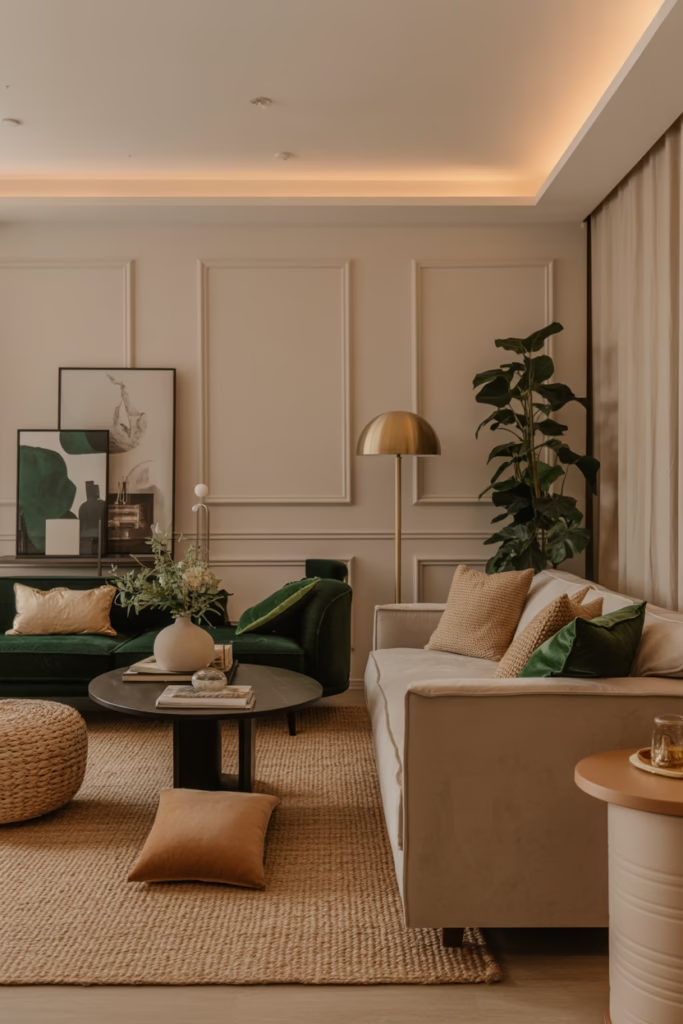
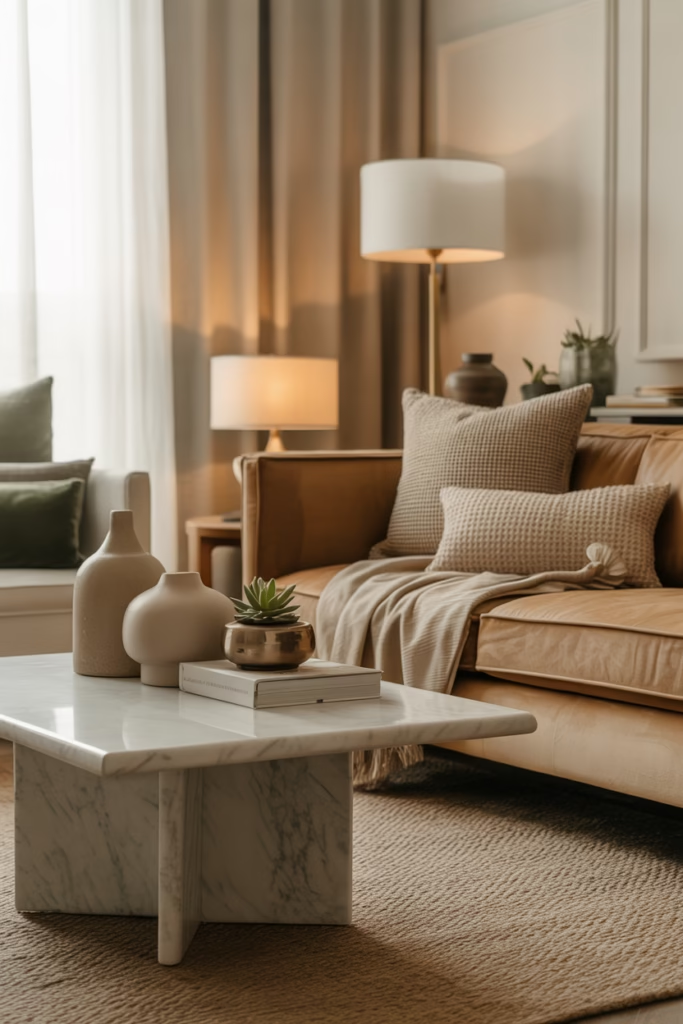
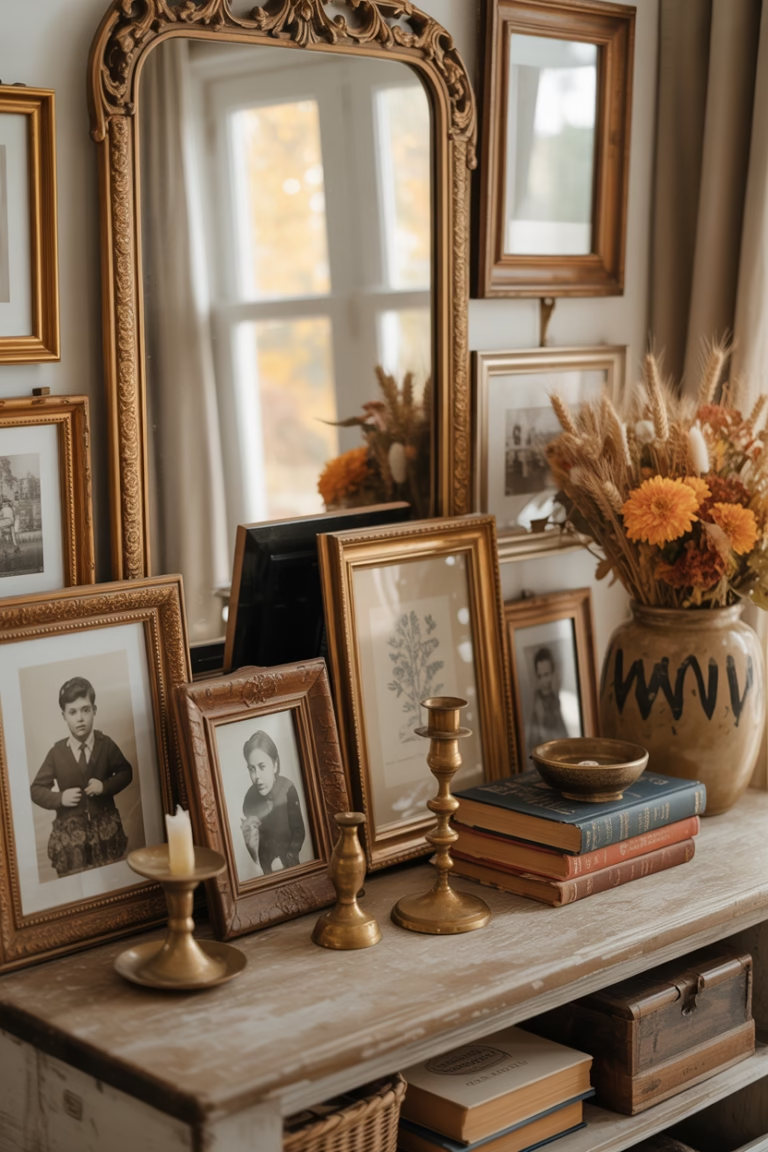
Mirrors are one of the most powerful tools designers use in small spaces.
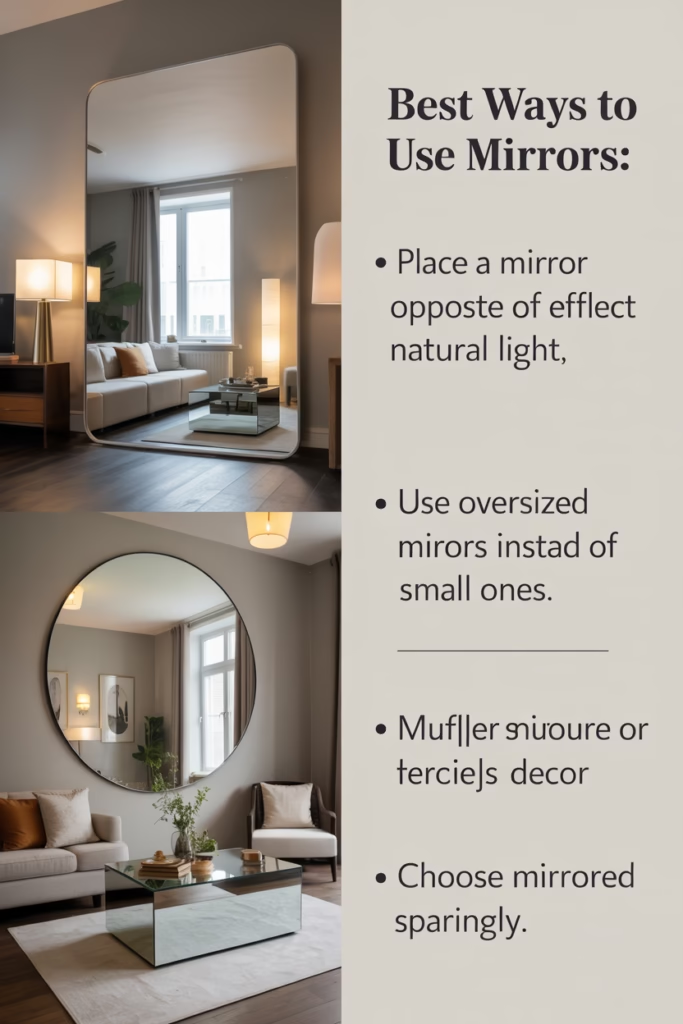
Best ways to use mirrors:
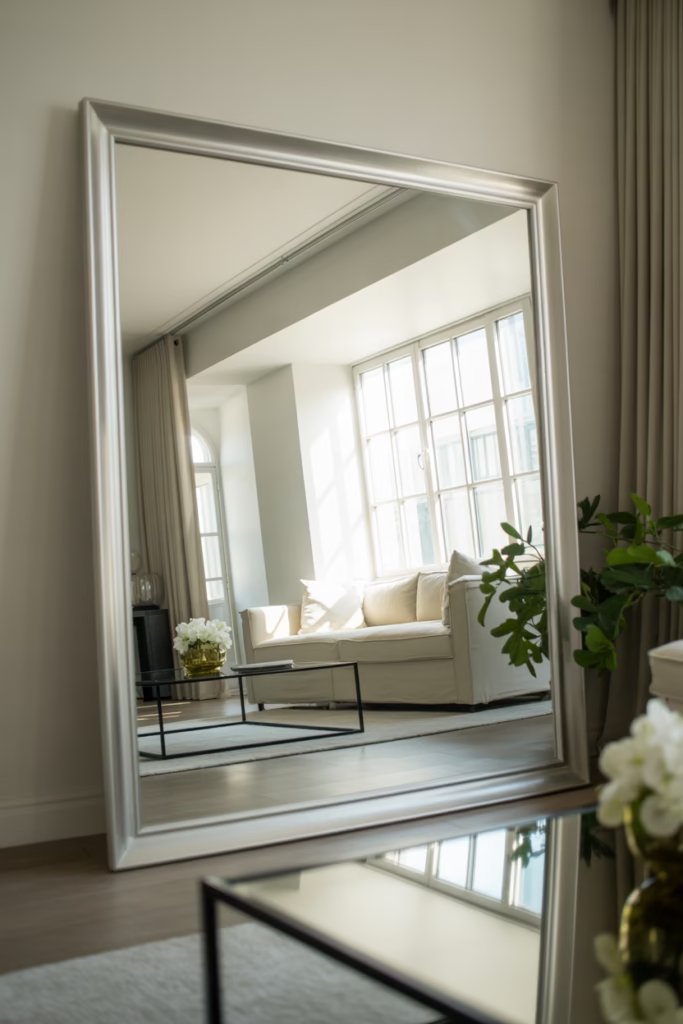
- Place a mirror opposite a window to reflect natural light
- Use oversized mirrors instead of small ones
- Choose mirrored furniture or decor sparingly
Reflection visually doubles the room and removes hard visual boundaries, making the space feel instantly larger.
A Color Palette That Flows
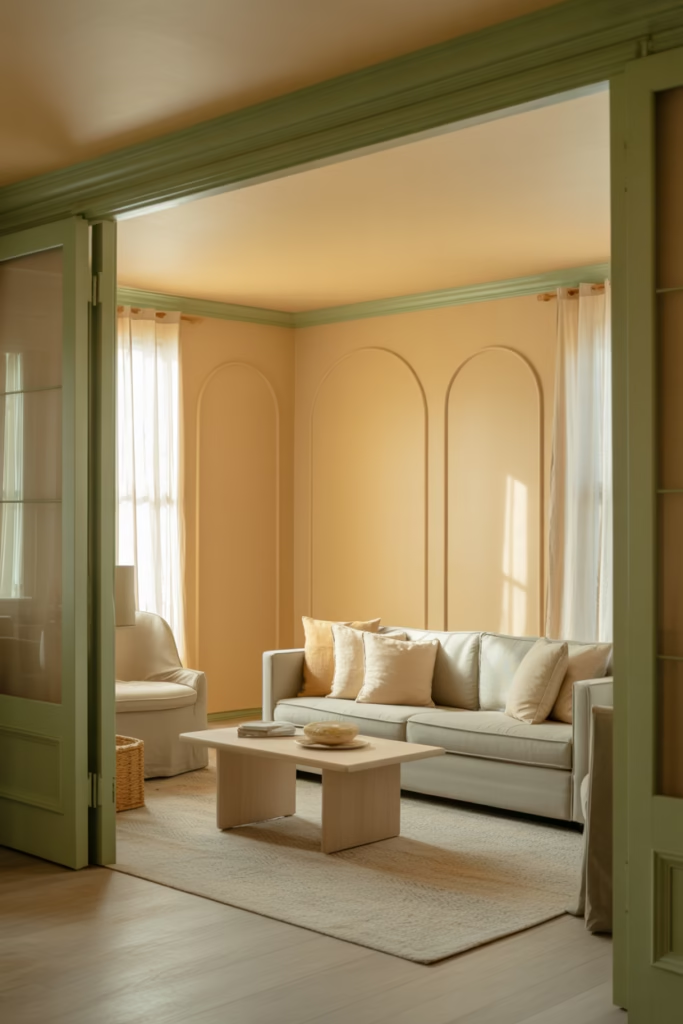
Too many contrasting colors can visually break a small room into pieces.
Designers recommend:
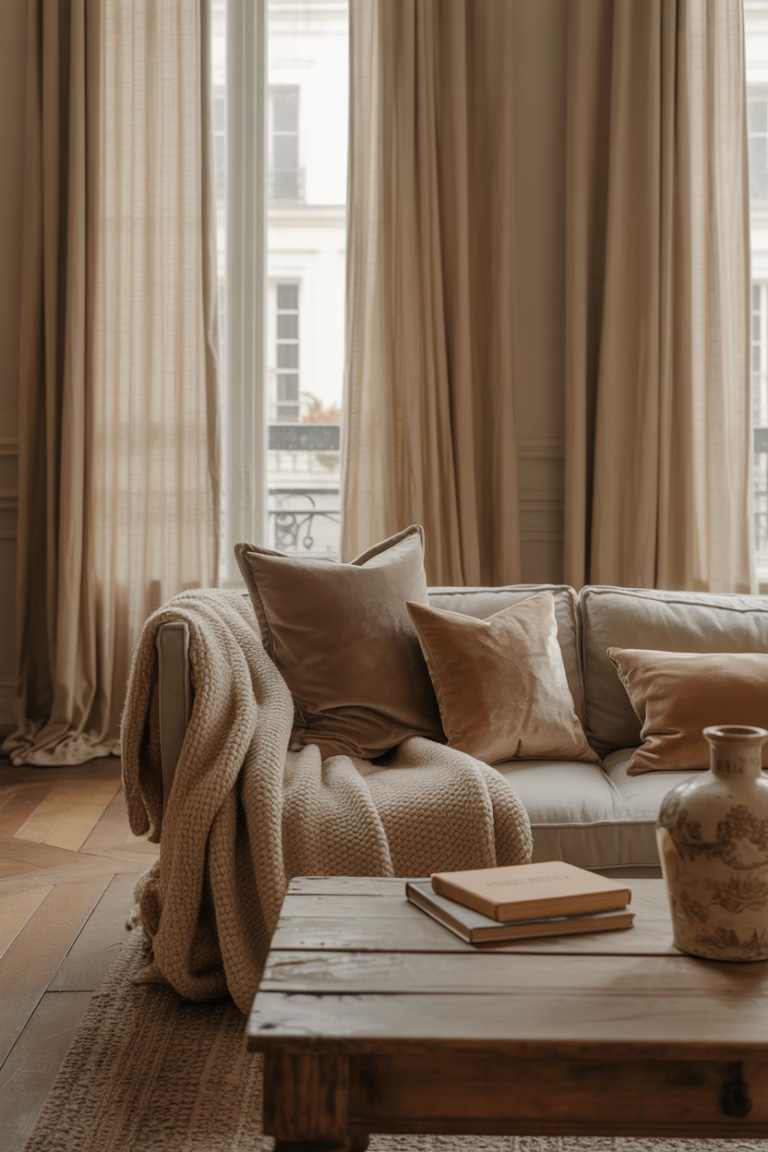
- Soft, light, and cohesive color palettes
- Similar tones on walls, trim, and ceilings
- Minimal contrast between large surfaces
When colors flow seamlessly, the eye moves freely—making the room feel more open and continuous.
Lighting That Shapes Perception
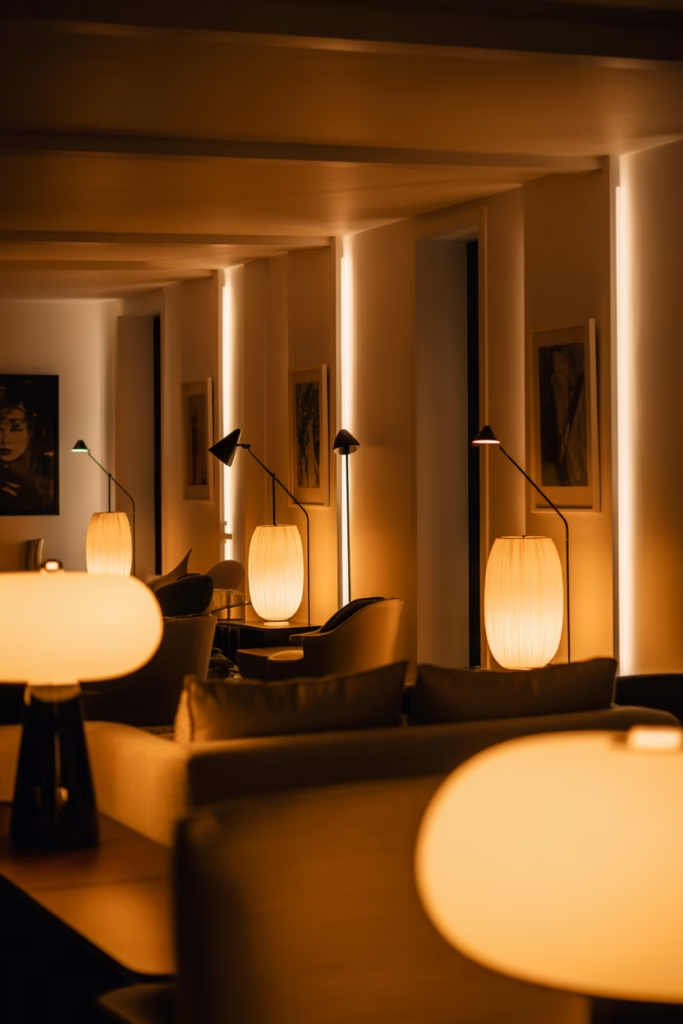
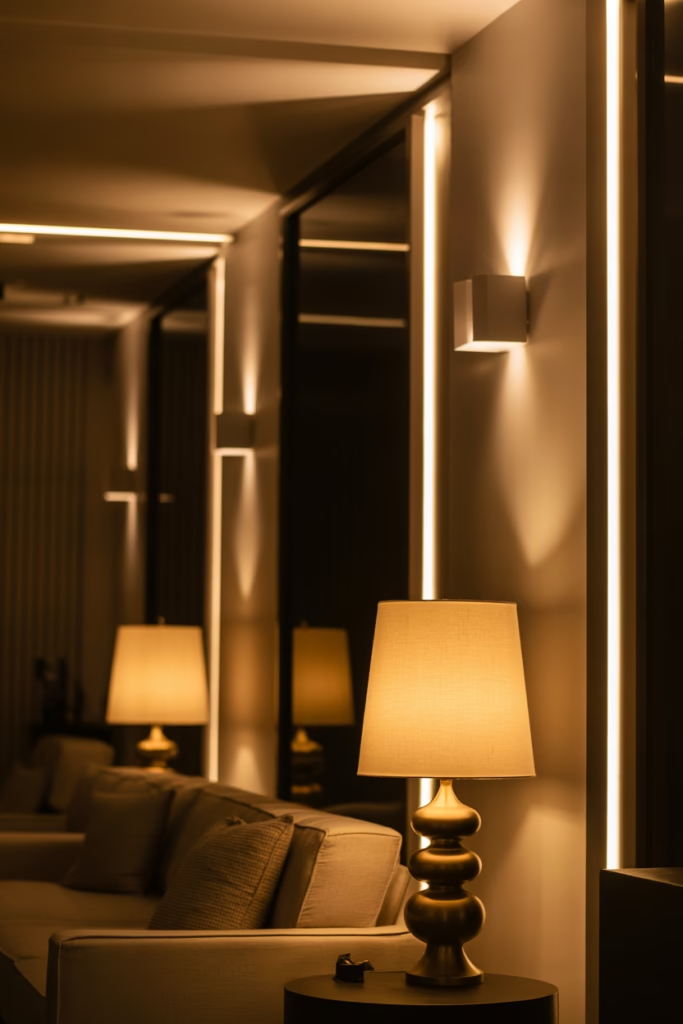
Good lighting can completely change how large a space feels.
Designer lighting rules:
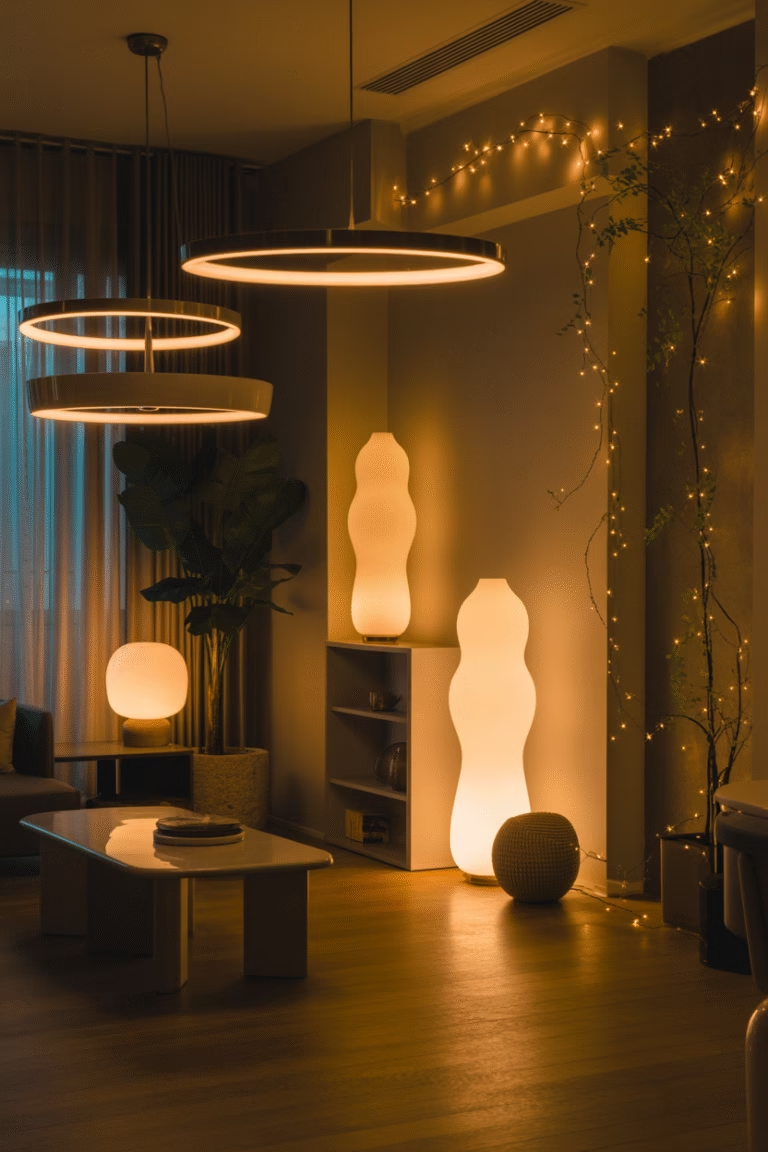
- Use layered lighting instead of one overhead light
- Choose warm, soft light rather than harsh white
- Highlight corners and vertical surfaces
A well-lit room feels more expansive, while dark corners make it feel closed in.
Furniture That Breathes
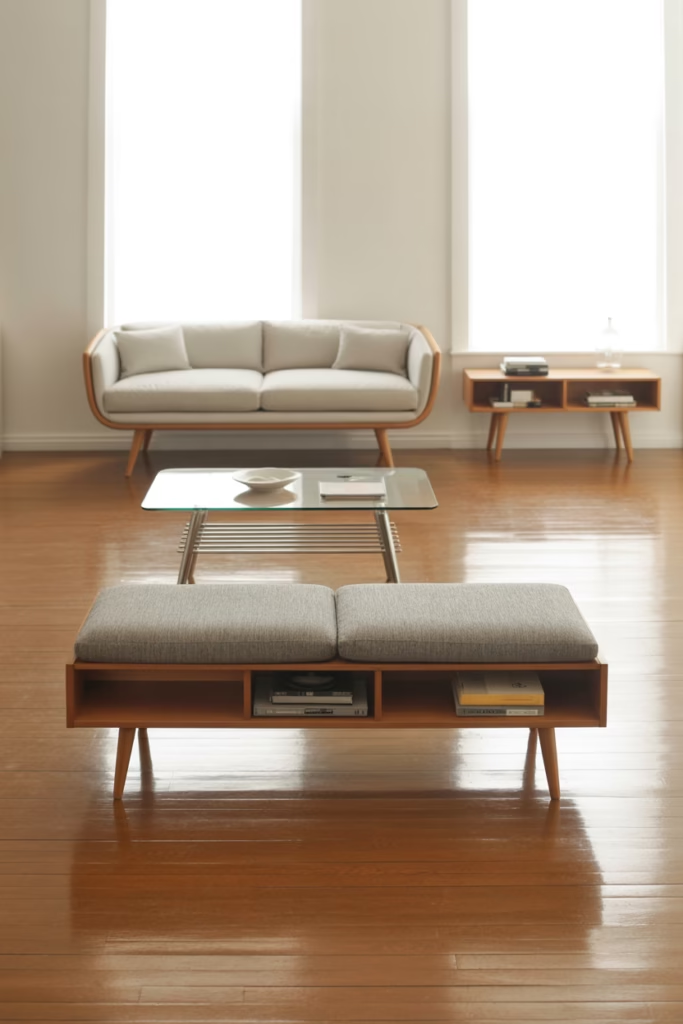
Bulky furniture overwhelms small spaces.
Choose furniture that:
- Has legs (so you can see the floor beneath)
- Is scaled appropriately for the room
- Serves more than one function
Furniture that “breathes” visually allows light and space to move around it, making the room feel lighter.
Vertical Details That Draw the Eye
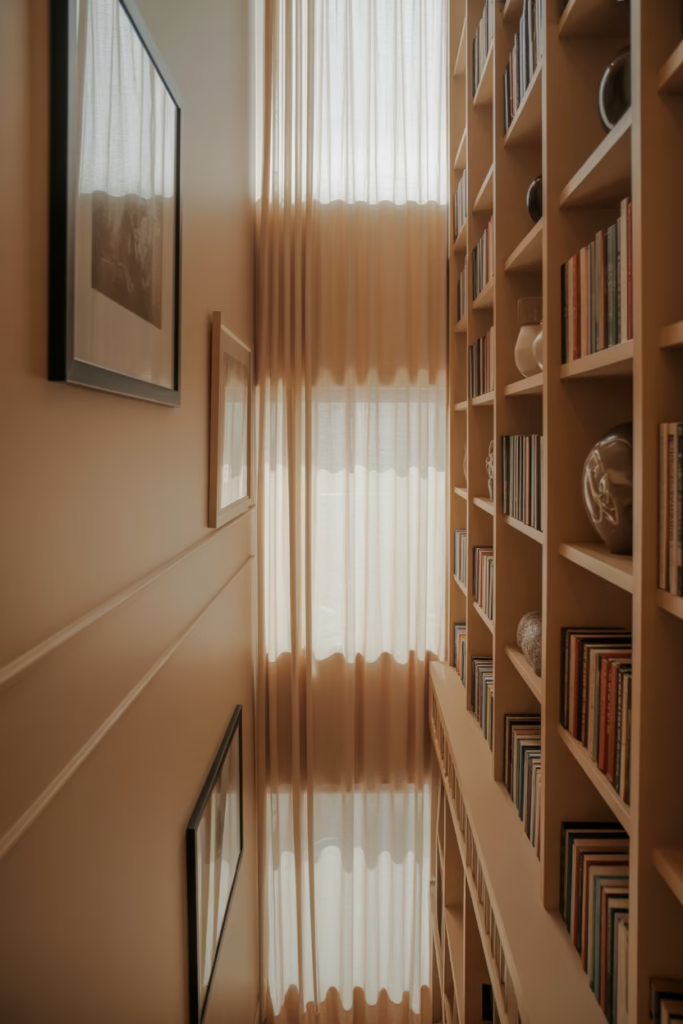
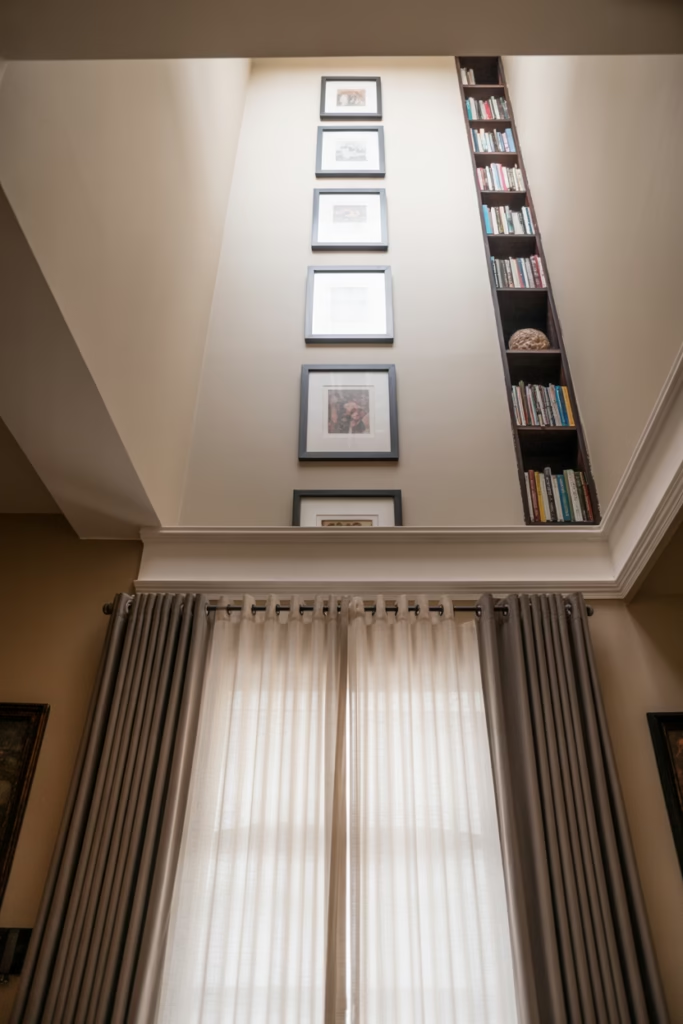
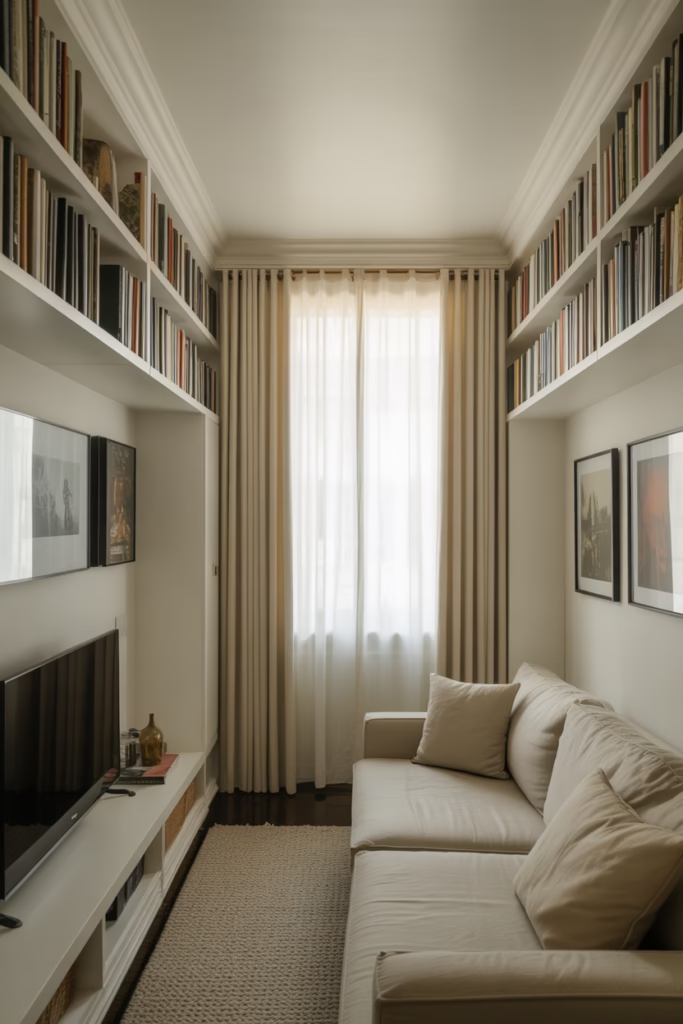
When floor space is limited, designers think vertically.
Ways to use vertical space:
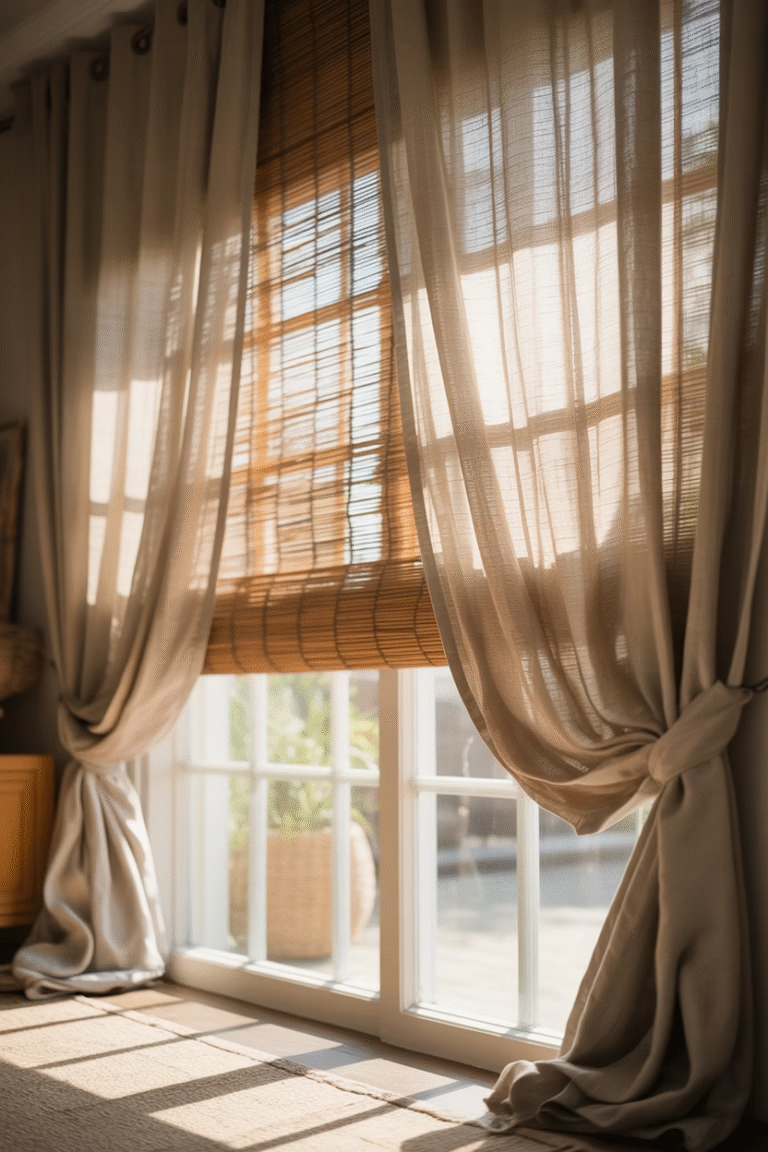
- Hang curtains close to the ceiling
- Use tall shelving instead of wide pieces
- Place artwork higher on the wall
Vertical lines draw the eye upward, making ceilings feel taller and rooms feel more spacious.
Clear Surfaces, Clear Space
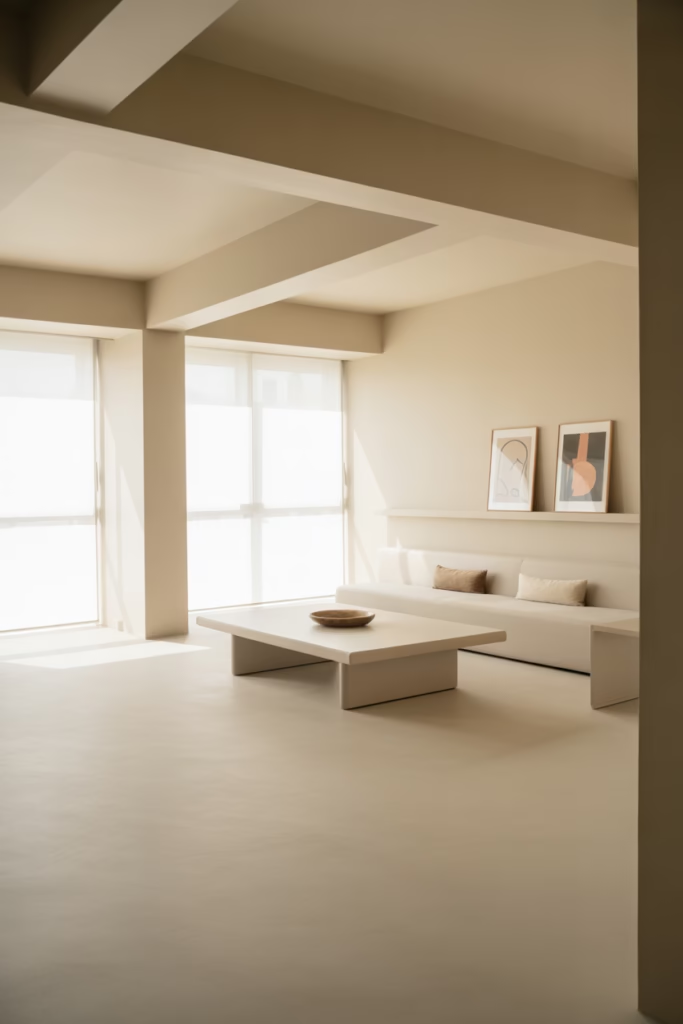
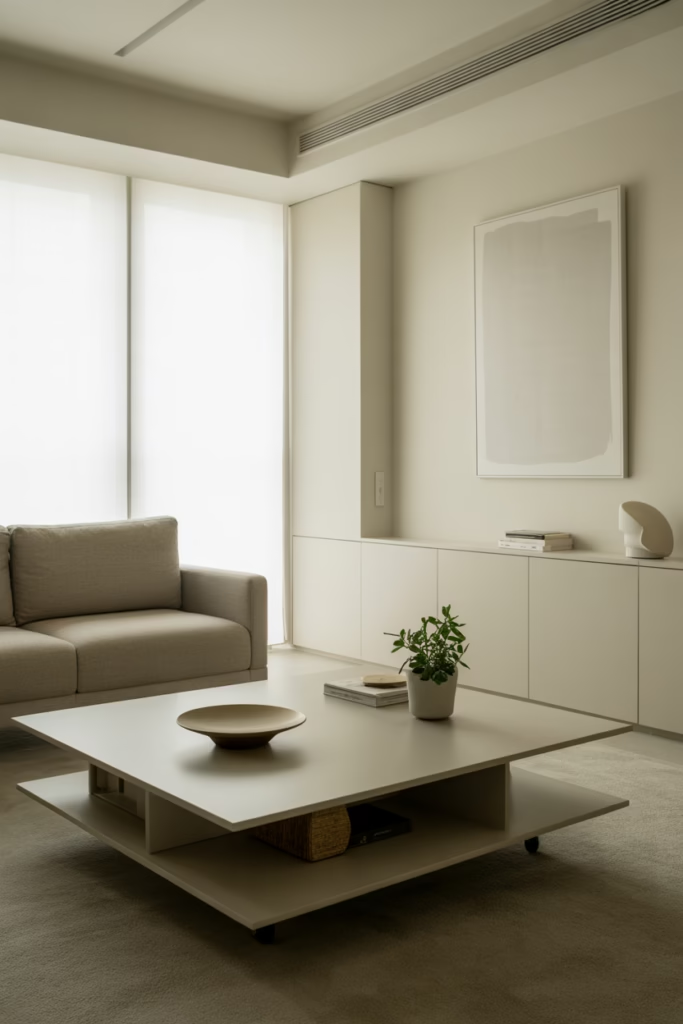
Clutter shrinks a room faster than anything else.
Designer tip:
- Keep surfaces mostly clear
- Store items out of sight
- Limit decor to a few intentional pieces
When surfaces are visually calm, the room feels larger and more breathable.
Rugs That Expand Instead of Divide
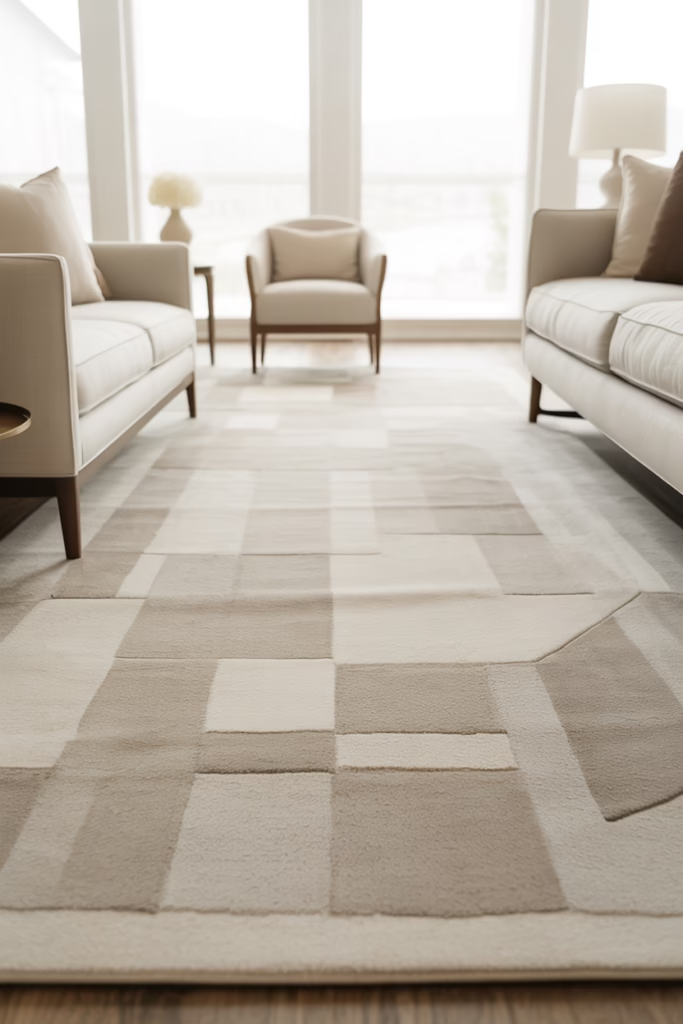
Rugs can either open up a space—or chop it into sections.
To make a room look bigger:
- Use one large rug instead of multiple small ones
- Ensure furniture sits partially on the rug
- Choose light or low-contrast rug patterns
A properly sized rug visually unifies the space rather than breaking it up.
Why It Matters
Making a small space look bigger isn’t just about aesthetics—it affects how you feel.
A visually open space:
- Feels calmer and less stressful
- Functions better day to day
- Looks more intentional and polished
Design that supports comfort always feels more luxurious, no matter the size.
FAQs on Making a Small Space Look Bigger
Do light colors always work best?
Mostly yes, but soft mid-tones can also work when paired with good lighting.
Can dark colors work in small spaces?
Yes—when used intentionally and balanced with light and mirrors.
Is minimalism required?
Not minimalism, but intentional editing is essential.
Do these tricks work in rentals?
Absolutely. Most are renter-friendly and require no permanent changes.
Final Thoughts
You don’t need more square footage to create a space that feels open and comfortable. With reflection, thoughtful color choices, smart lighting, and well-scaled furniture, even the smallest room can feel expansive and welcoming.
Small space design isn’t about limitation—it’s about smarter choices.