How to Choose the Perfect Color Palette for Any Room
Choosing the right color palette can completely change how a room feels. The right colors can make a space feel calm, cozy, energetic, or elegant—while the wrong ones can feel overwhelming or flat. The good news? You don’t need to be a designer to get it right.
This step-by-step guide will help you confidently choose the perfect color palette for any room in your home.
Start With the Basics: Understanding Color
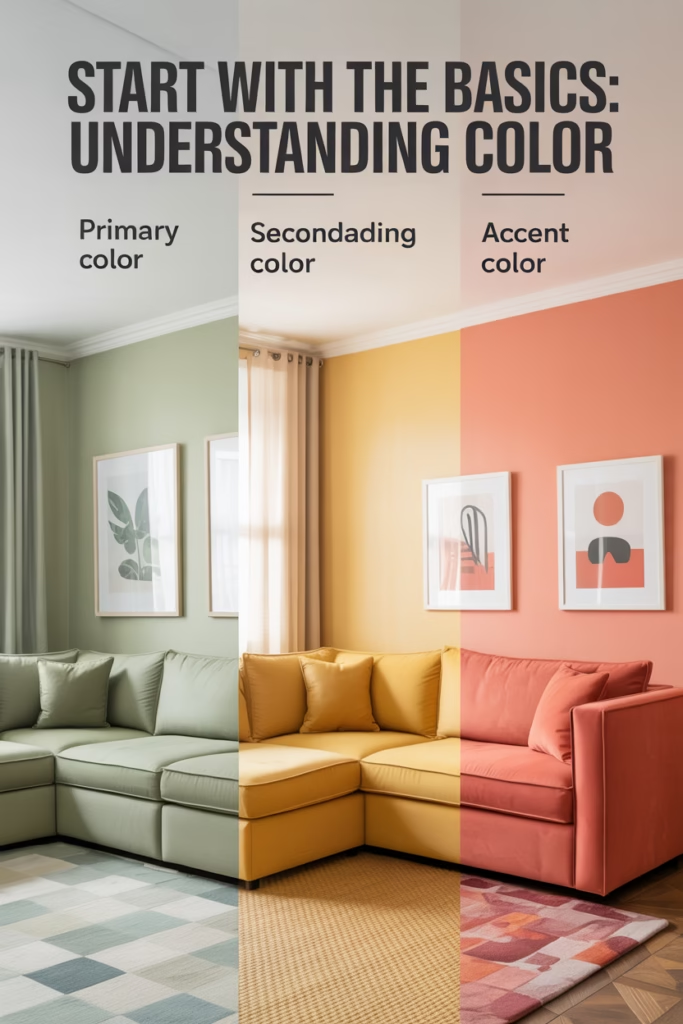
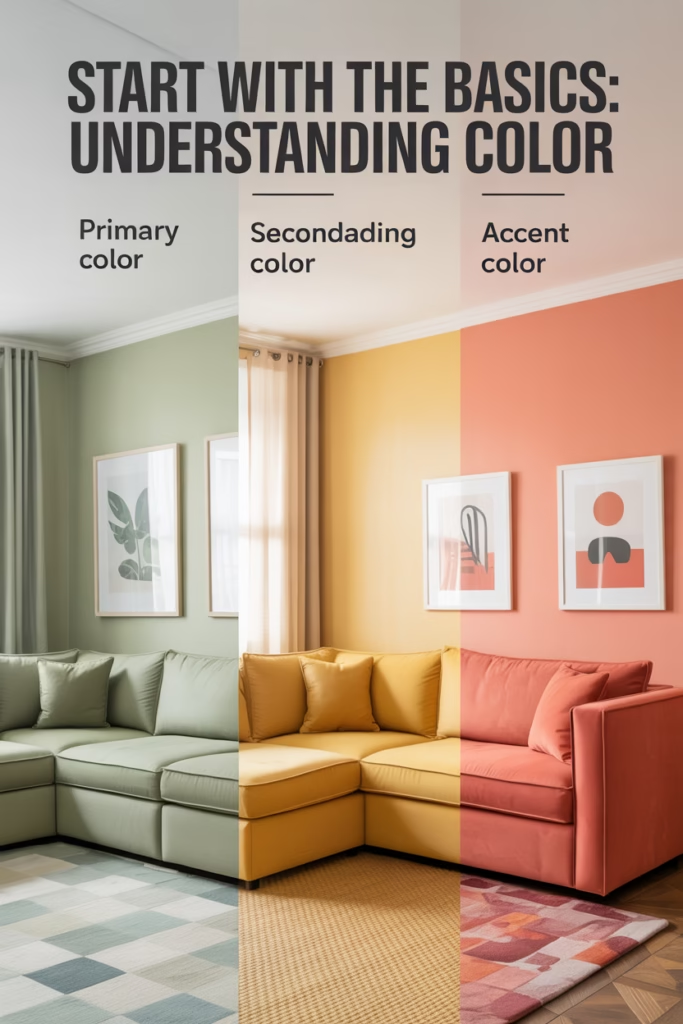
Every color palette is built from three main types of colors:
- Primary color – the main color of the room (walls, large furniture)
- Secondary color – supports the main color (curtains, rugs, bedding)
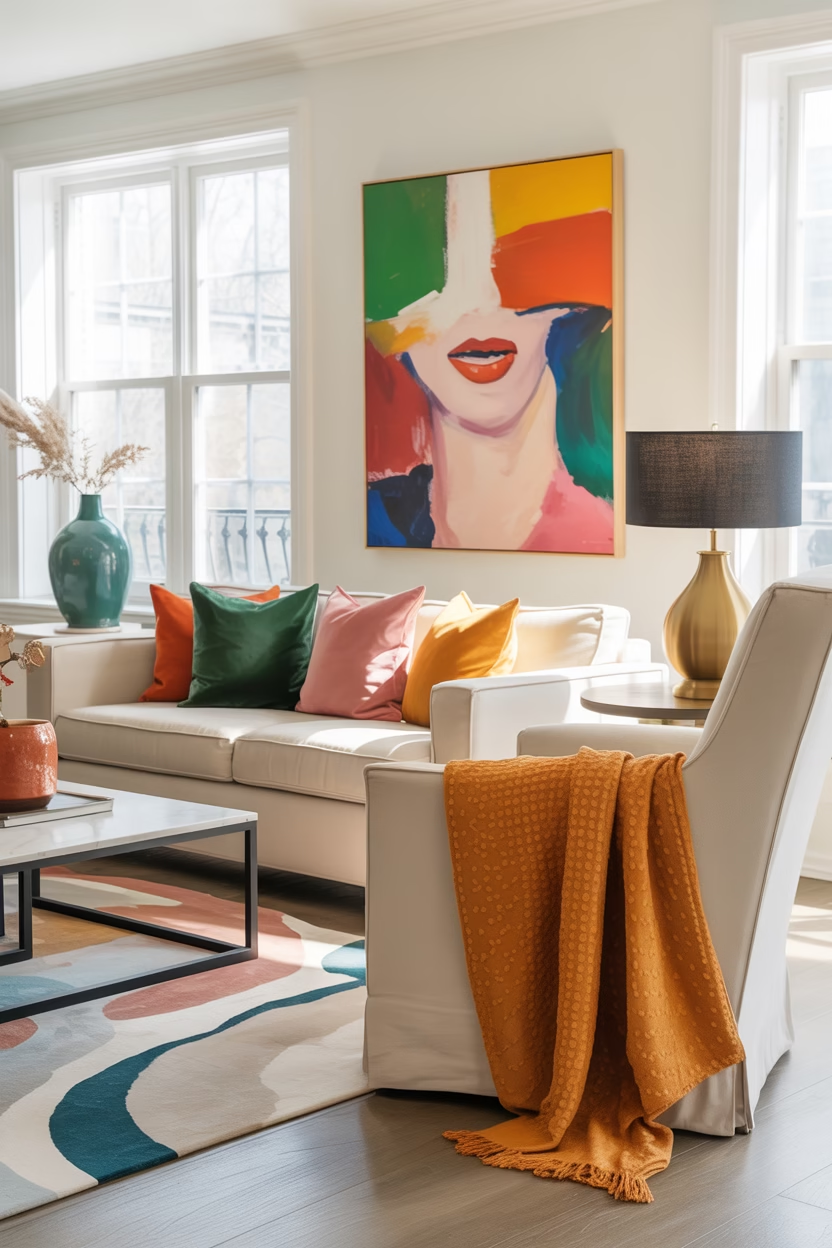
- Accent color – adds personality (pillows, art, decor)
A balanced room usually feels best when one color leads and the others support it, instead of everything competing for attention.
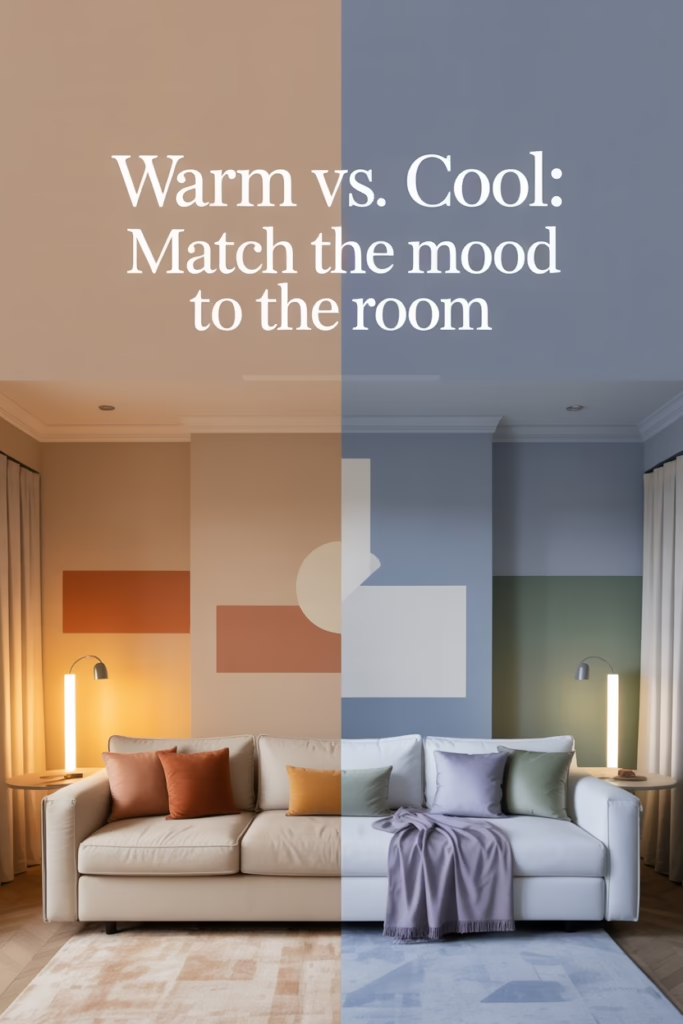
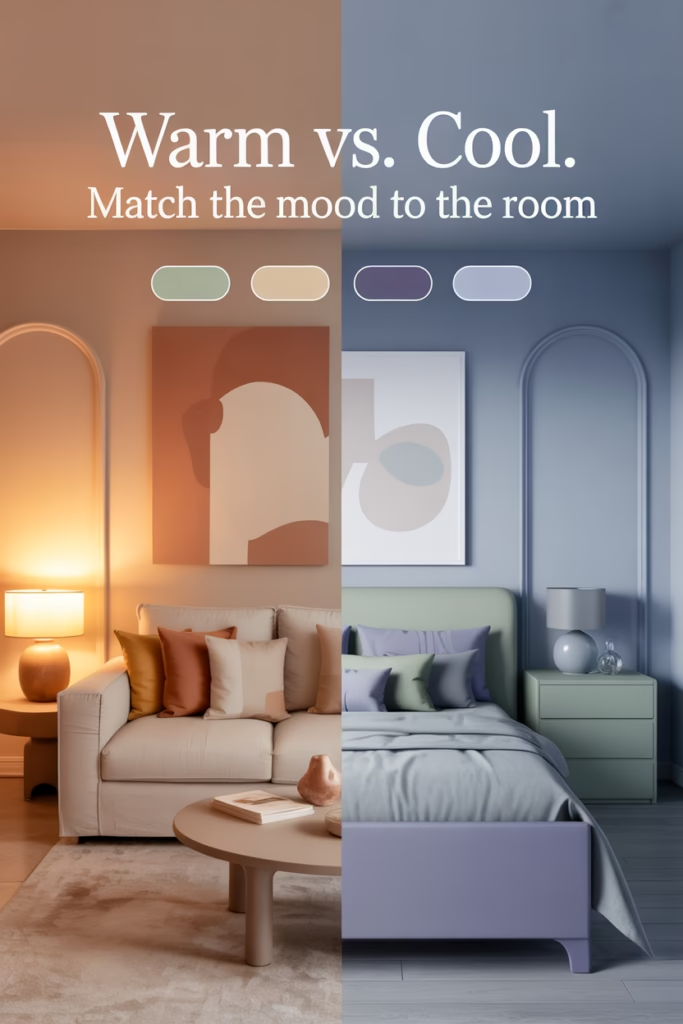
Warm vs. Cool: Match the Mood to the Room
Colors influence how a room feels emotionally.
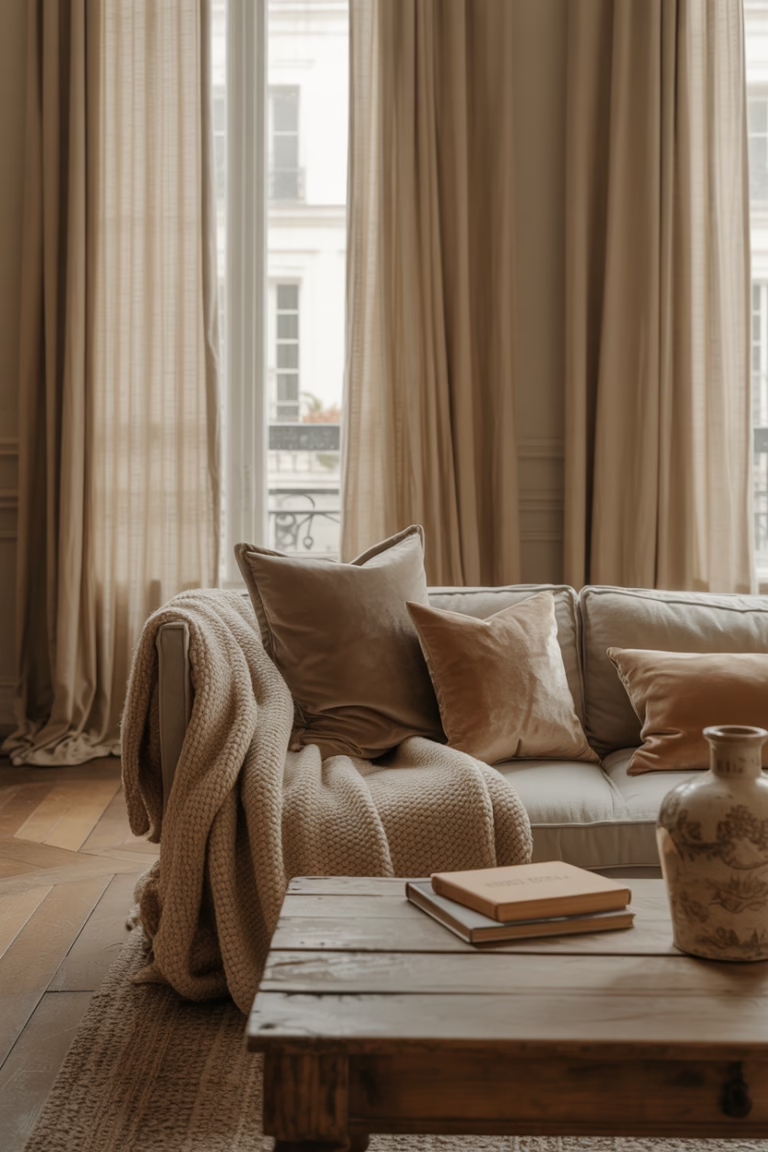
Warm colors (beige, cream, terracotta, warm browns, soft yellows)
→ Feel cozy, inviting, and energetic
→ Great for living rooms, dining rooms, and social spaces
Cool colors (blue, green, gray, lavender)
→ Feel calm, fresh, and relaxing
→ Ideal for bedrooms, bathrooms, and workspaces
Choose colors based on how you want to feel in that room.
Don’t Forget the Neutrals
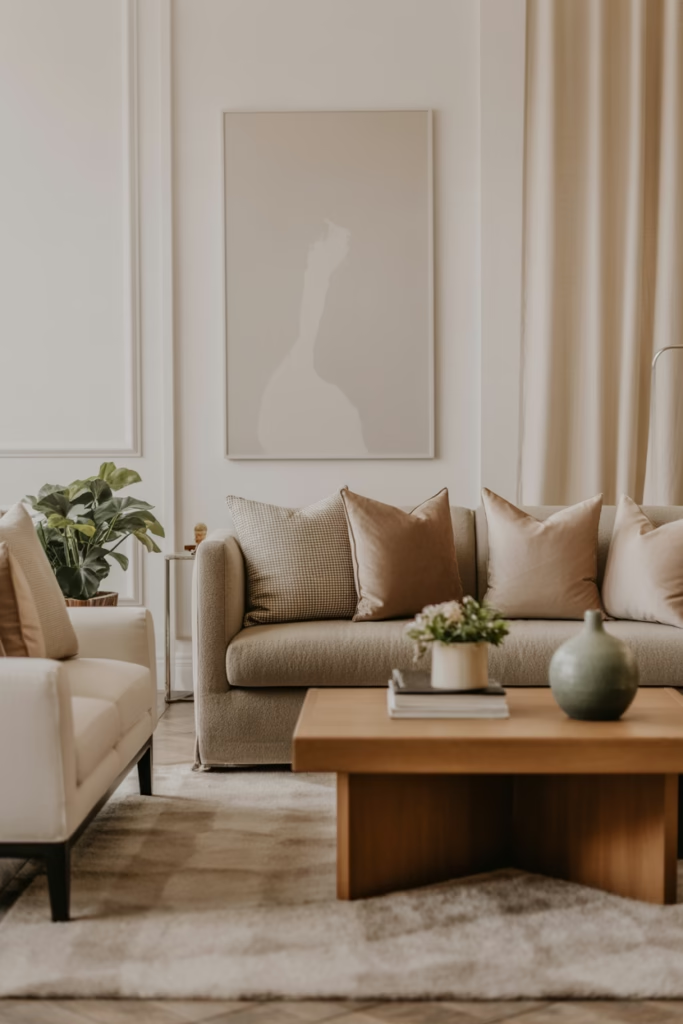
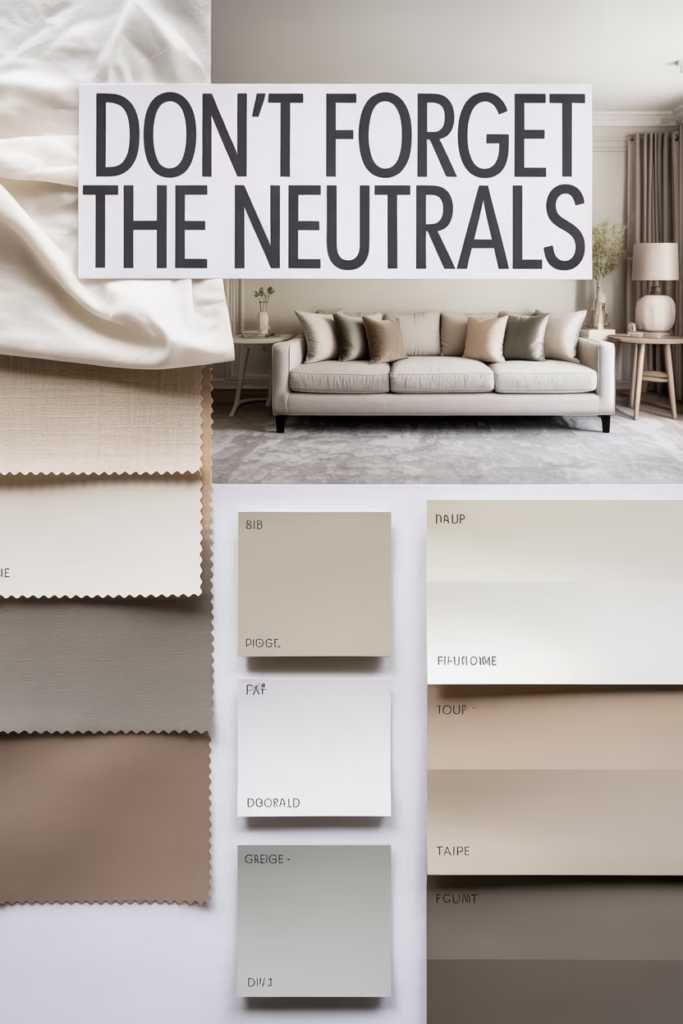
Neutrals are the backbone of a good color palette. They:
- Balance bold colors
- Make rooms feel calm
- Help your decor age well
Popular neutrals include white, off-white, beige, greige, taupe, and soft gray. Even colorful rooms usually need at least one neutral to keep them grounded.
Define the Purpose of the Room
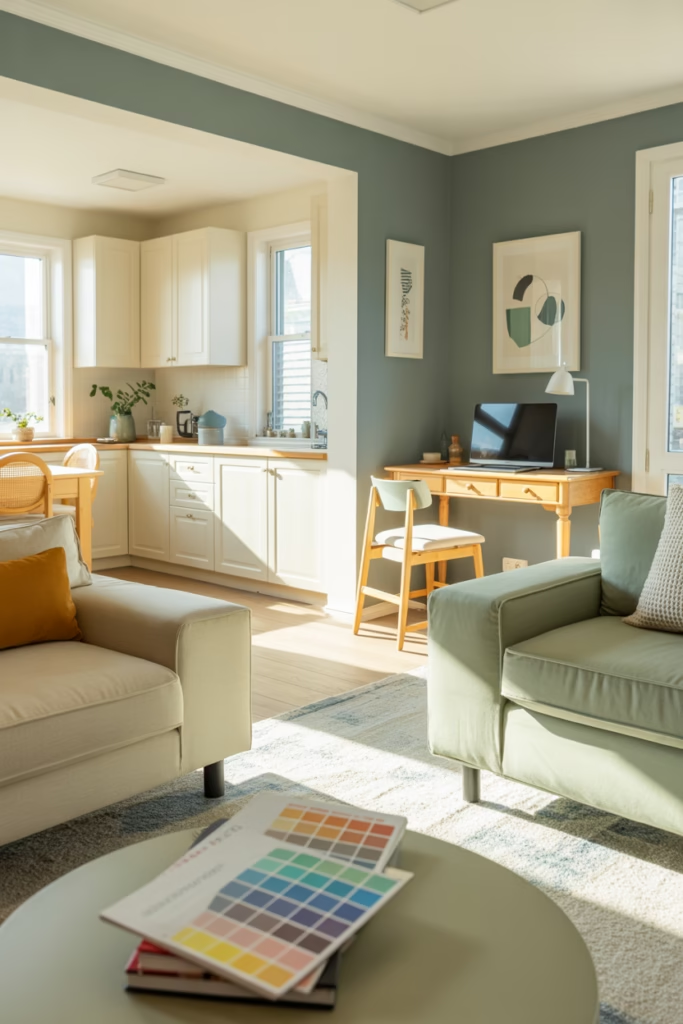
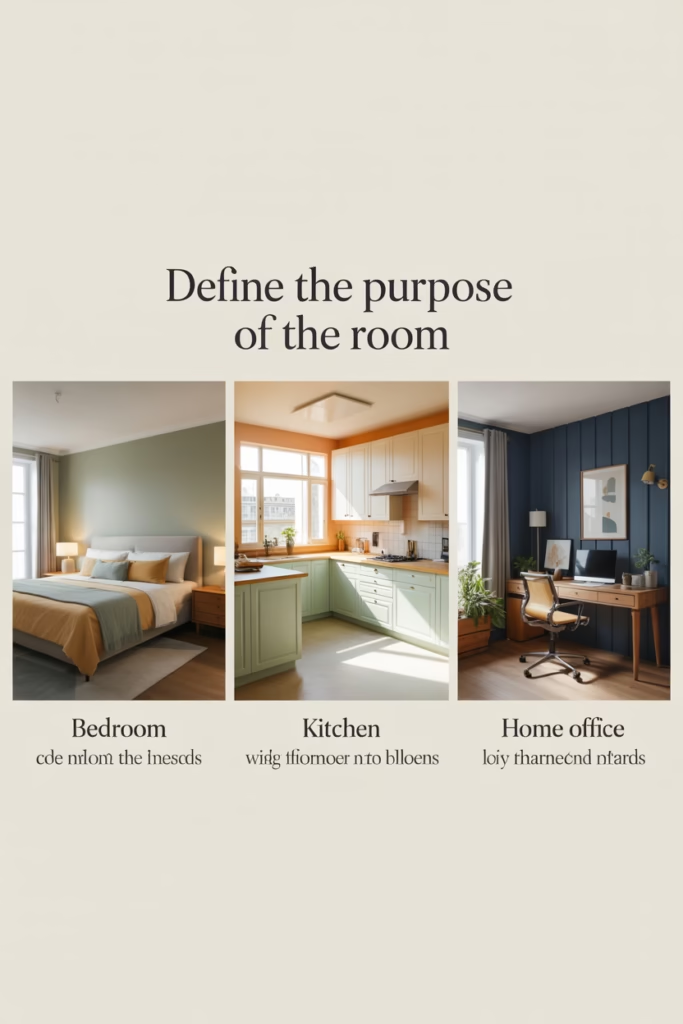
Before picking colors, ask yourself:
- Is this room for relaxing or entertaining?
- Do I want it to feel cozy or bright?
- Will I spend a lot of time here?
For example:
- Bedrooms benefit from soothing, softer palettes
- Kitchens often look best with clean, fresh colors
- Home offices work well with focused, calm tones
The function of the room should always guide your color choices.
Gather Inspiration the Right Way

Instead of choosing random colors, collect inspiration first:
- Look at Pinterest or interior photos you love
- Notice repeated colors you’re drawn to
- Pull colors from artwork, rugs, or fabrics you already own
When you consistently love the same tones, that’s your natural color direction.
Test Before You Commit
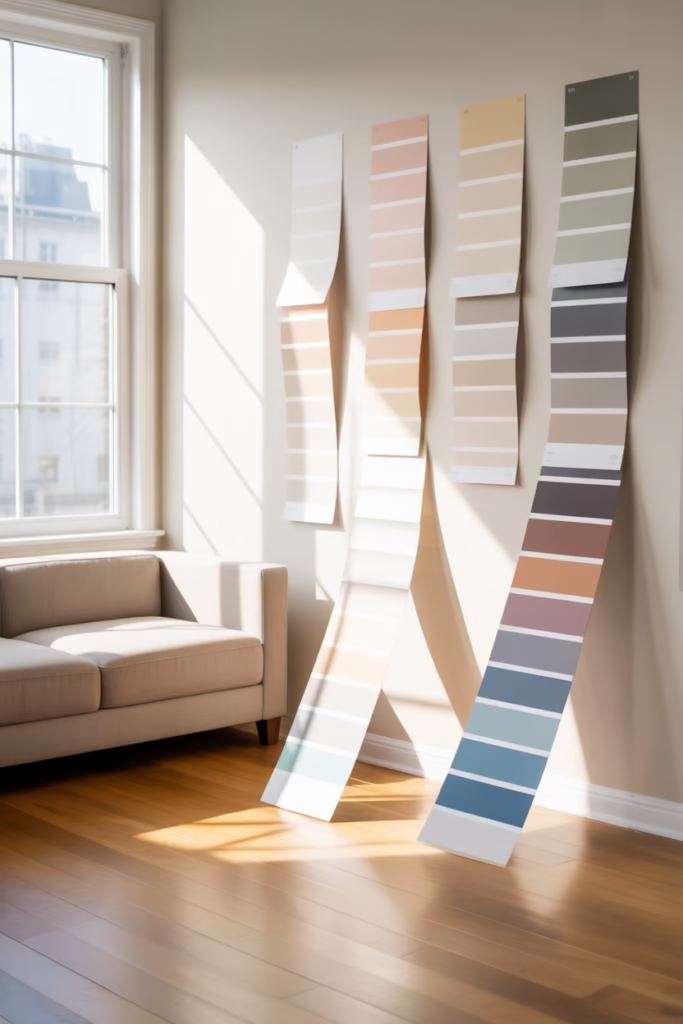
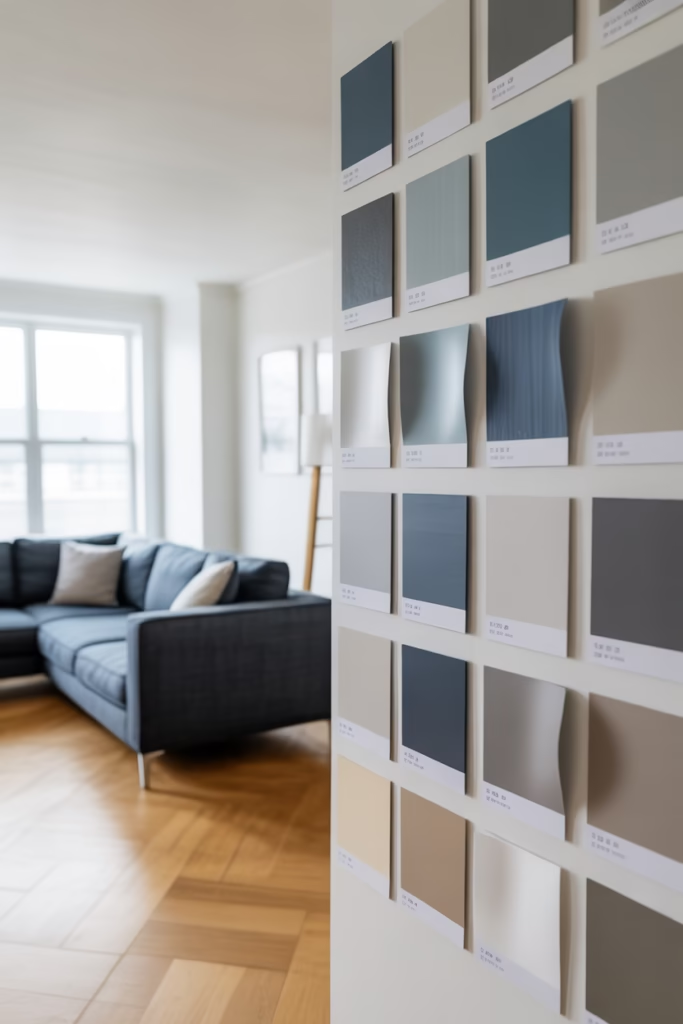
Paint colors can look very different depending on lighting and time of day. Always:
- Test paint samples on the wall
- Check them in morning, afternoon, and evening light
- View them next to furniture and flooring
This step saves money, time, and regret.
Add Personality with Accents
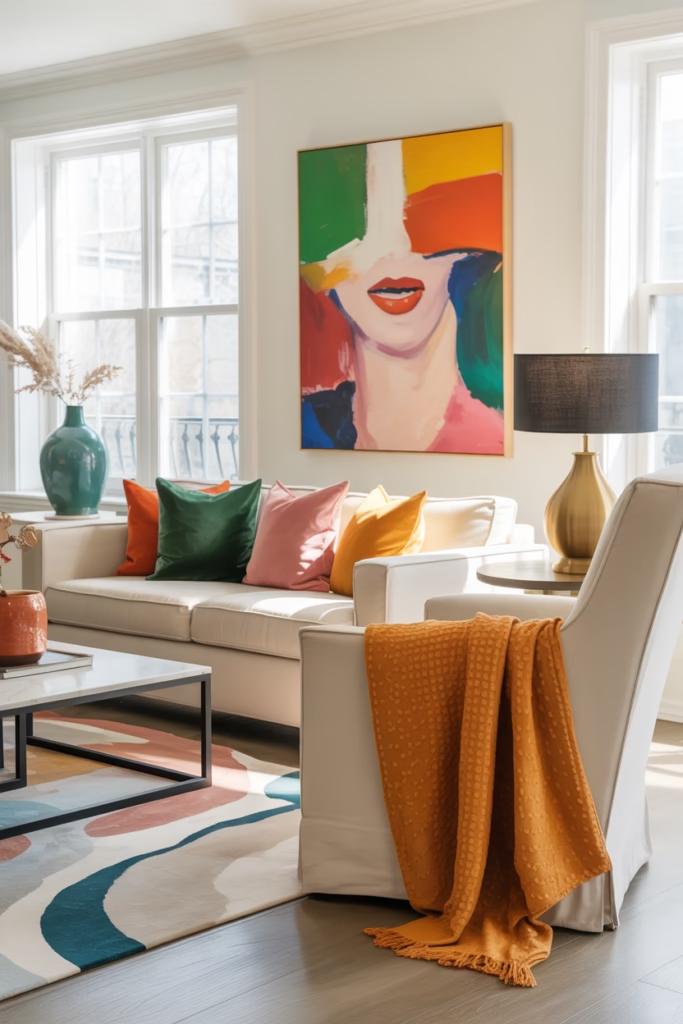
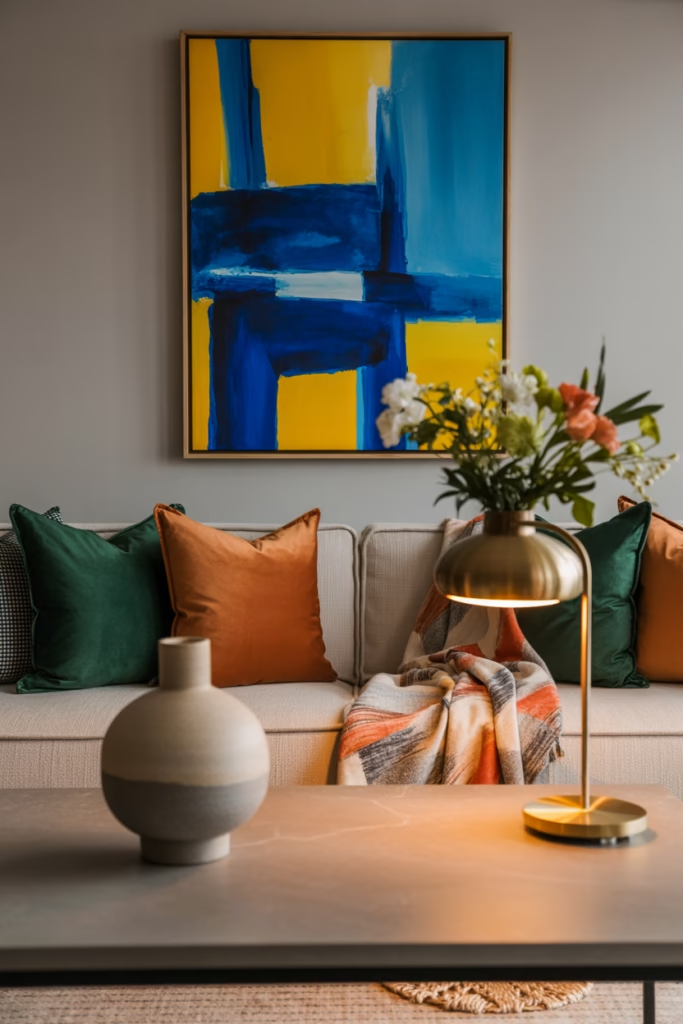
Once your base palette is set, use accent colors to show personality. This could be:
- Throw pillows
- Art
- Vases
- Lamps
- Blankets
Accents are easy to change later, so this is where you can be bold without risk.
Why It All Matters
A well-chosen color palette:
- Makes rooms feel intentional and balanced
- Improves mood and comfort
- Helps your home feel cohesive
- Prevents constant redecorating
When colors work together, your home feels calm and pulled together—even with simple decor.
FAQs: Choosing the Perfect Color Palette
How many colors should a room have?
Usually 2–3 main colors plus small accents work best.
Can I mix warm and cool colors?
Yes, as long as one tone leads and the other supports it.
What if I get bored of my colors?
Keep walls neutral and change accent colors seasonally.
Do small rooms need light colors?
Light colors help, but smart contrast and lighting matter just as much.
Final Thoughts
Choosing the perfect color palette isn’t about rules—it’s about balance, mood, and intention. When you understand color basics, consider the room’s purpose, and test before committing, you can confidently create spaces that feel beautiful, comfortable, and truly yours.