
Rustic Cabin Interiors That Capture the Spirit of Winter Living
There’s something deeply comforting about a rustic cabin in winter—the warmth, the quiet, the sense of slowing down. Rustic cabin interiors aren’t about perfection or trends; they’re about creating a space that feels grounded, welcoming, and made for long winter days and cozy nights.
This guide explores how to design rustic cabin interiors that truly capture the spirit of winter living—where comfort, texture, and connection take center stage.
The Heart of the Cabin: Fireplaces and Gathering Spaces
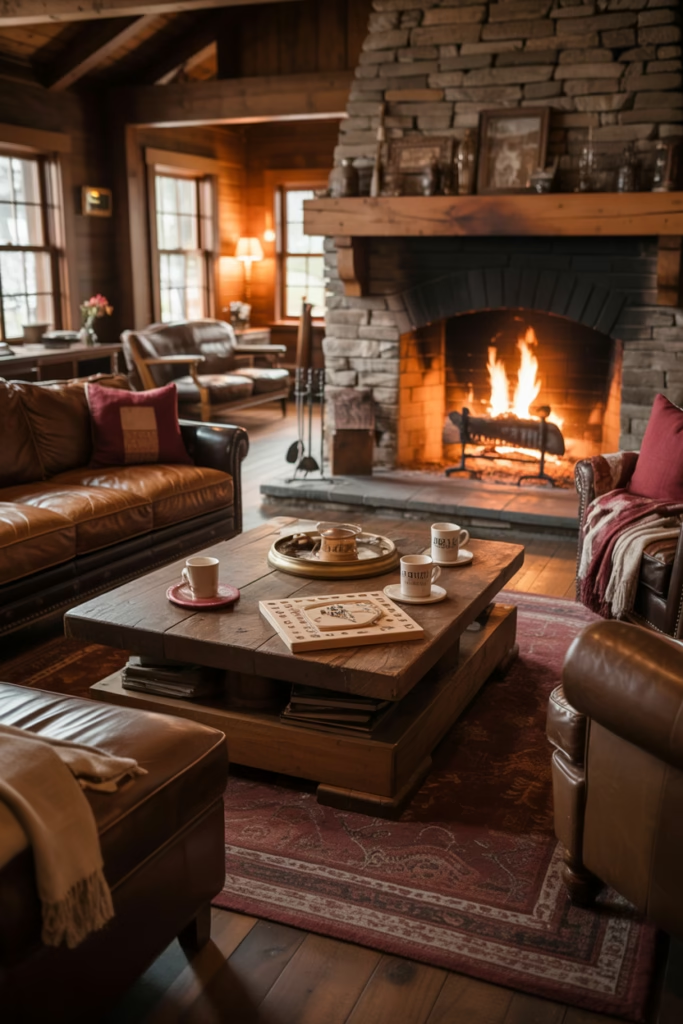
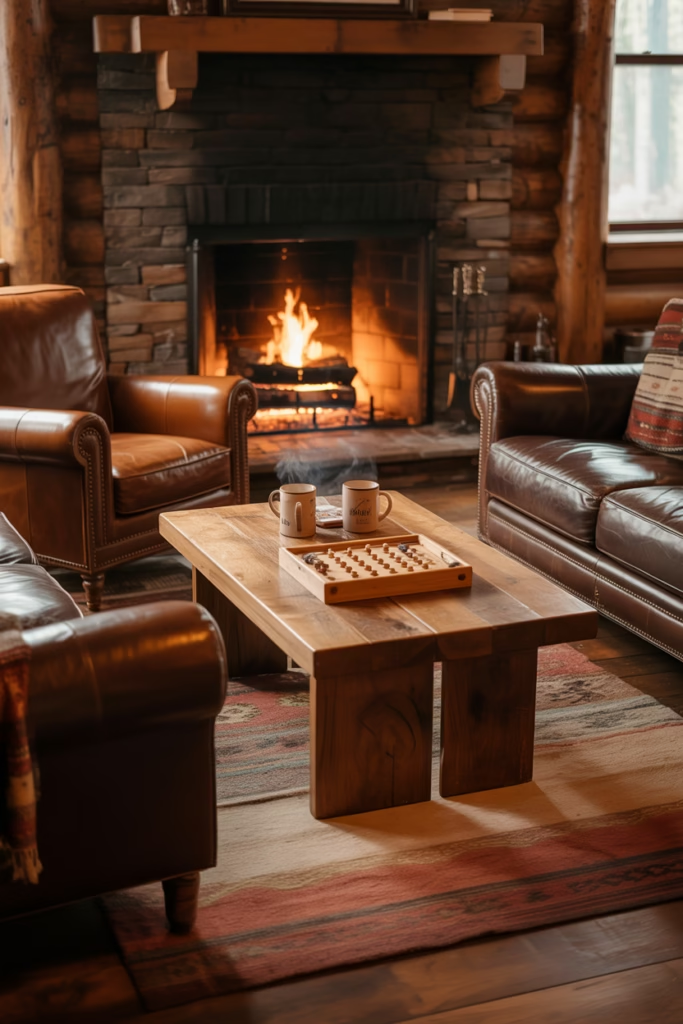
In winter cabin living, everything revolves around warmth and nothing embodies that more than a fireplace.
Whether it’s stone, brick, or wood-burning, a fireplace naturally becomes the focal point. Arrange seating to encourage gathering:
- Deep sofas and armchairs
- Coffee tables made from solid wood
- Layered rugs for warmth underfoot
These spaces are meant for conversation, board games, hot drinks, and quiet moments by the fire.
Natural Materials and Textures
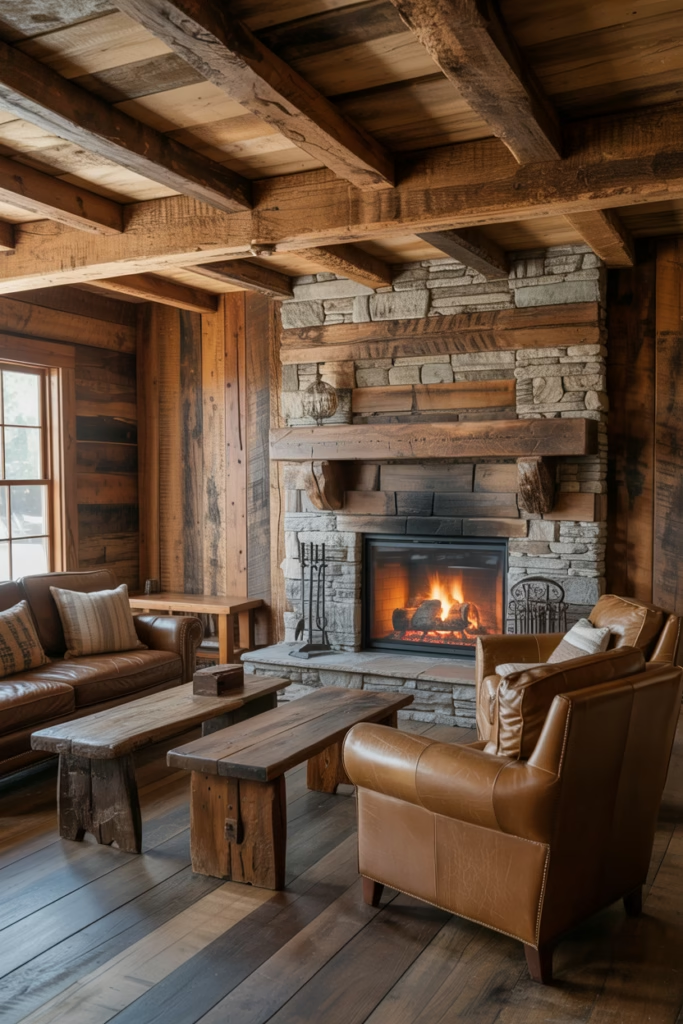
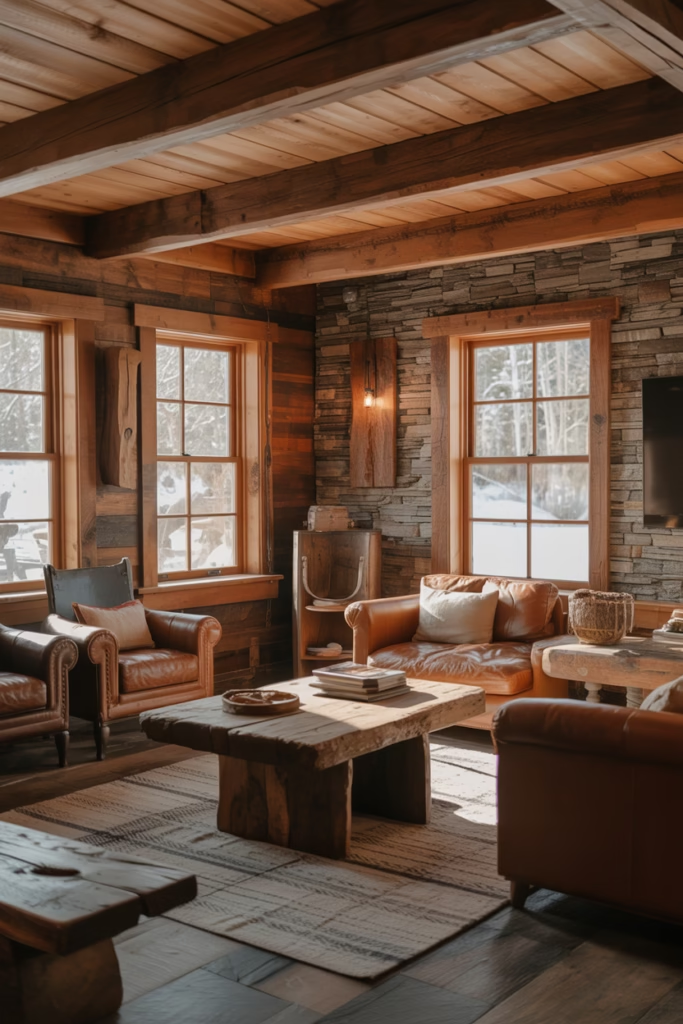
Rustic cabins feel authentic because they rely on natural materials that age beautifully.
Key materials include:
- Exposed wood beams
- Stone walls or accents
- Raw or reclaimed wood furniture
- Leather, metal, and woven elements
These textures ground the space and create a strong connection to the outdoors—especially important in winter when nature feels close, even from inside.
Cozy Corners and Reading Nooks
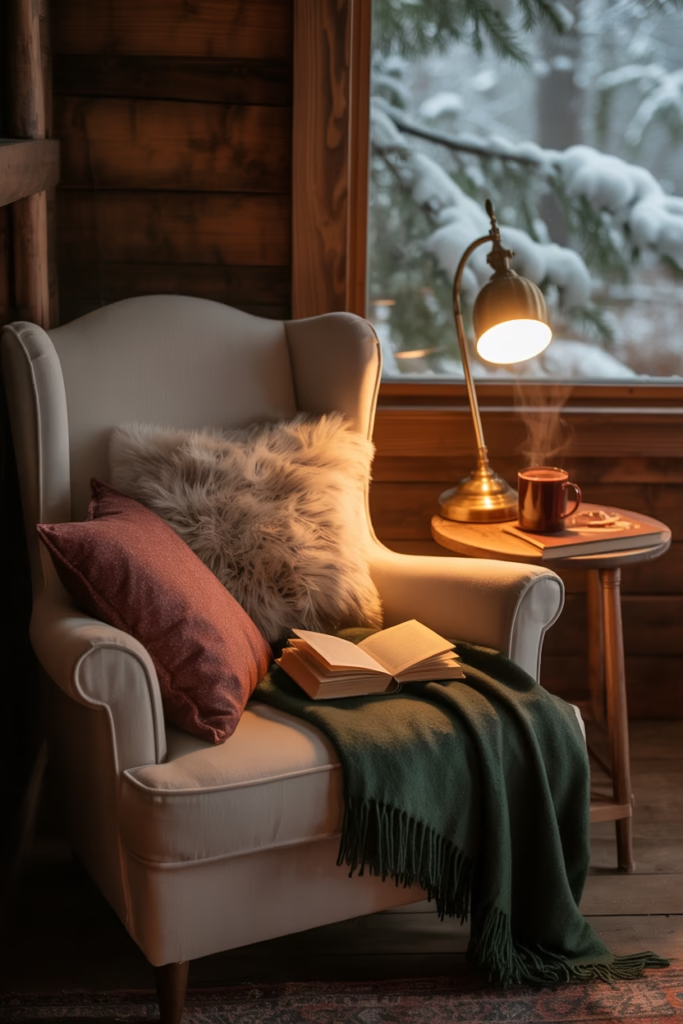
Winter cabins invite stillness, and cozy corners make that possible.
Create intimate nooks with:
- A comfortable chair or bench
- Soft blankets and pillows
- A small side table
- A warm lamp
These quiet spaces are perfect for reading, journaling, or simply watching snow fall outside.
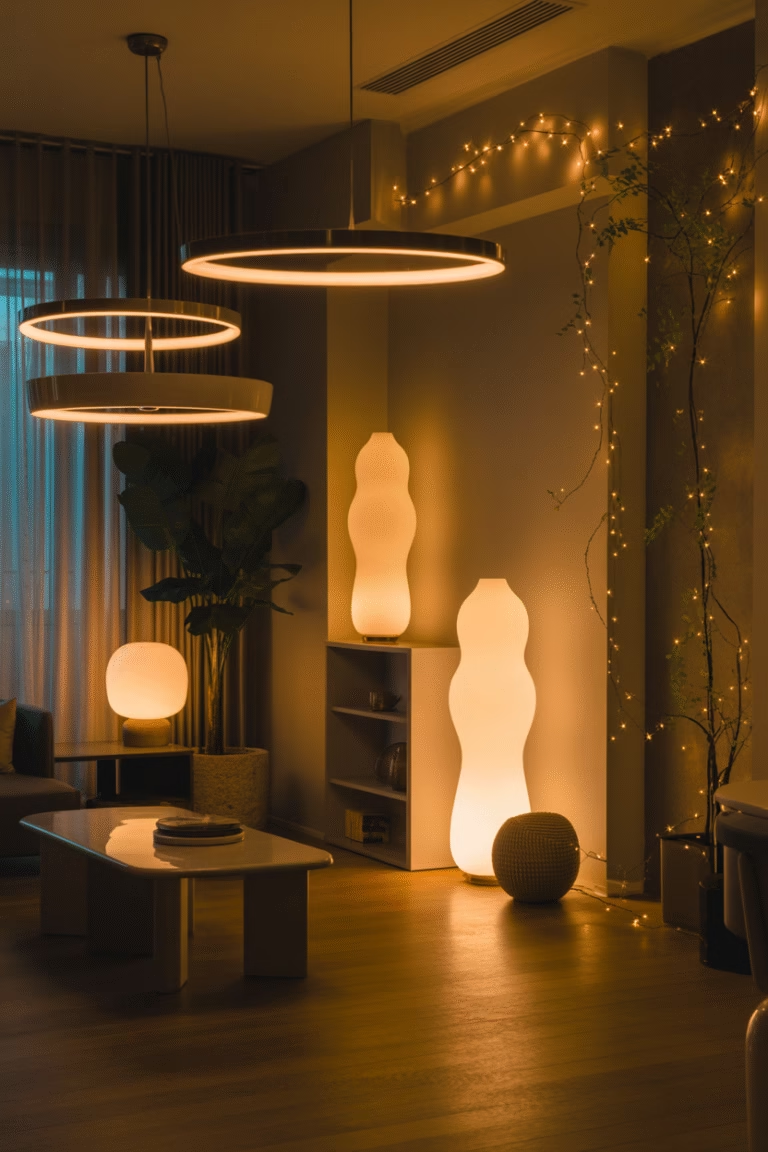
Warm Lighting, Not White Lights That Hurt
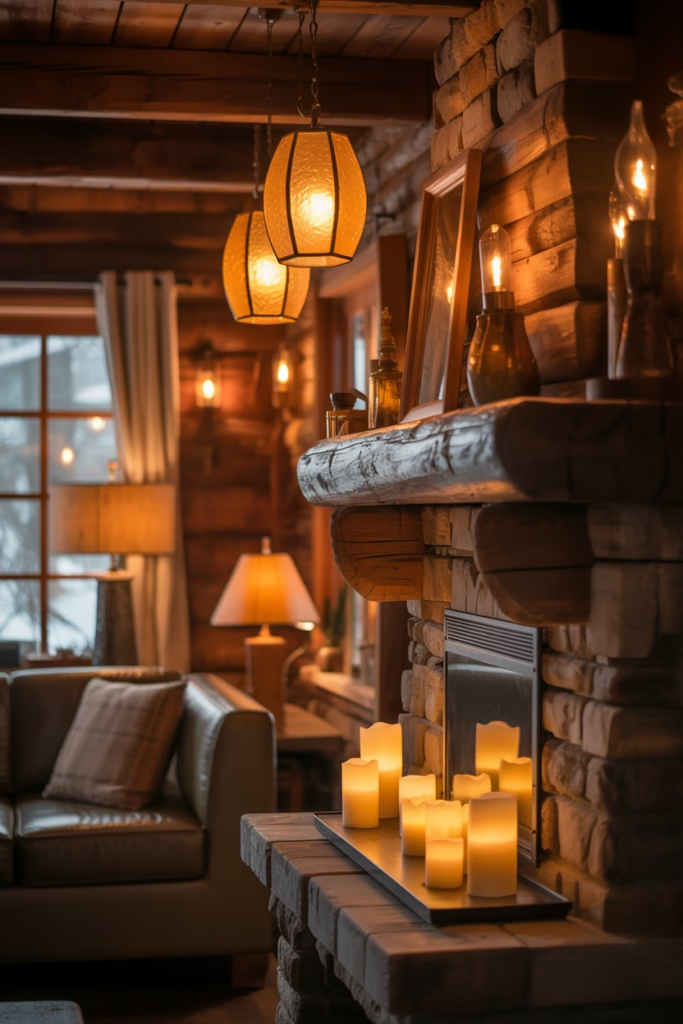
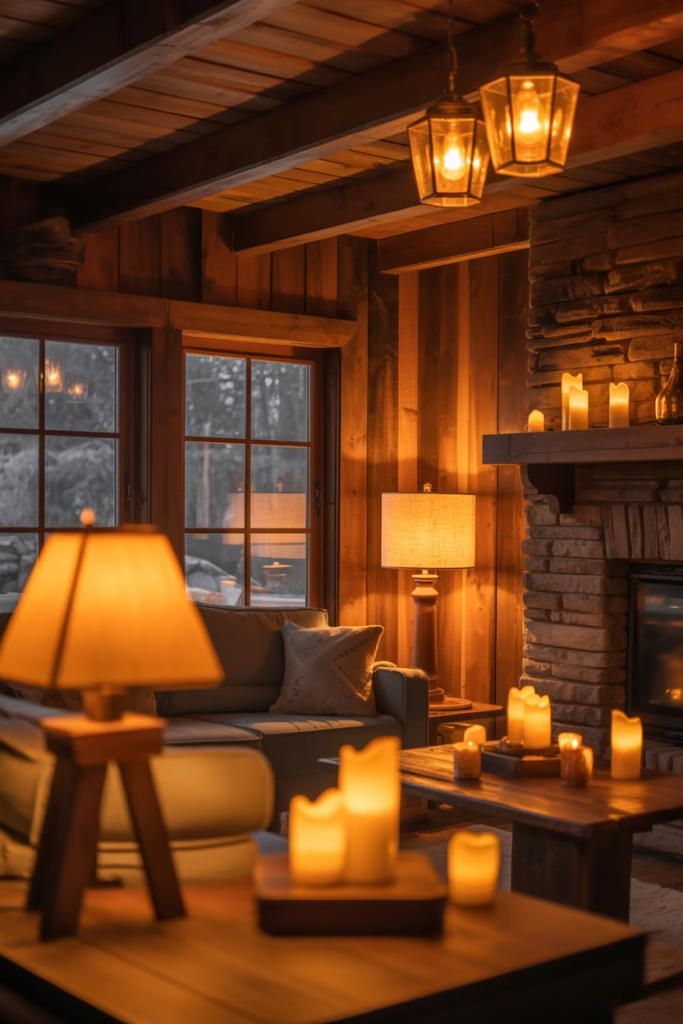
Lighting can make or break a cabin’s winter atmosphere.
Avoid harsh, cool white lighting. Instead, choose:
- Warm bulbs (2700K–3000K)
- Lamps instead of overhead lights
- Lantern-style fixtures
- Candles or LED candle alternatives
Warm lighting softens wood and stone surfaces and creates the golden glow cabins are known for.
Textiles: Wool, Flannel, and Fur
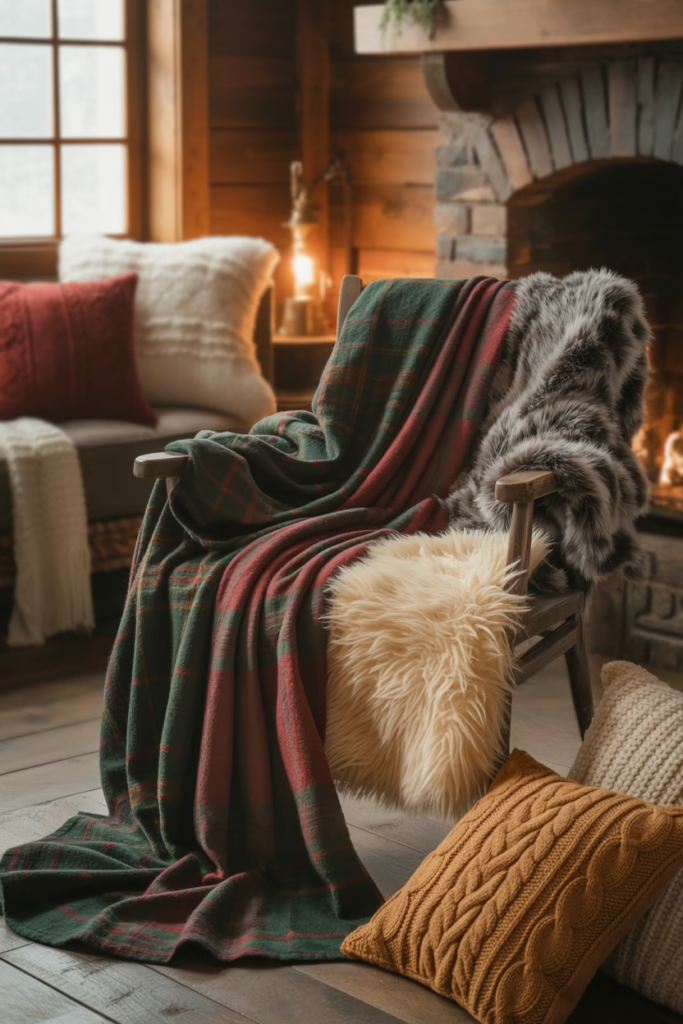
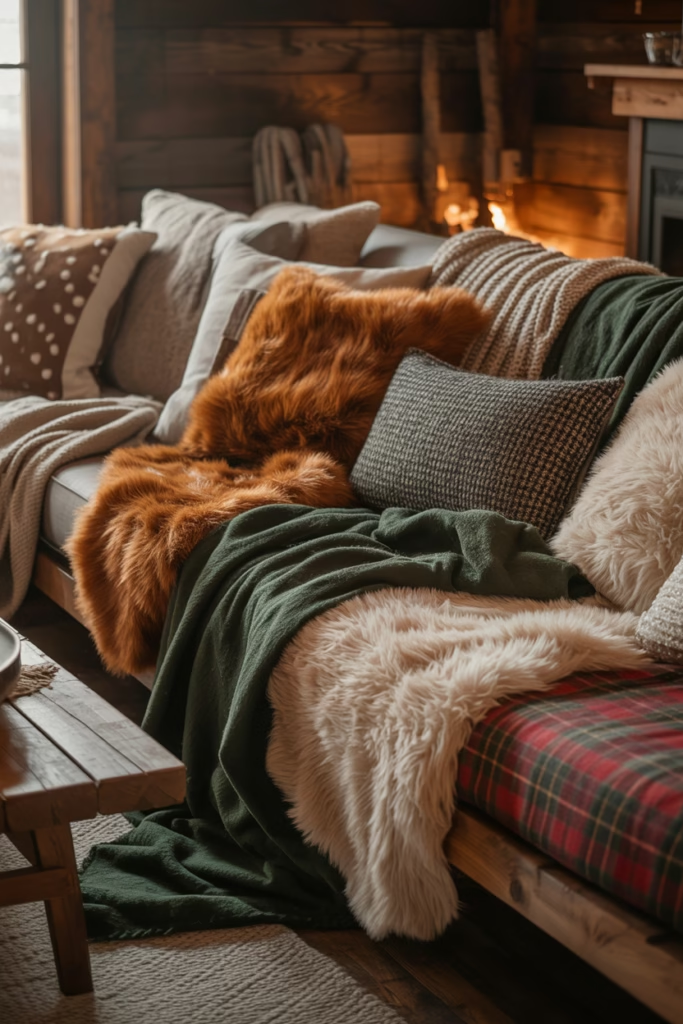
Textiles are essential to winter cabin comfort.
Layer in:
- Wool blankets
- Flannel bedding
- Faux fur throws
- Chunky knit pillows
These materials don’t just look cozy—they actually help retain warmth and make spaces feel inviting and protective during cold months.
Kitchens That Invite Gathering
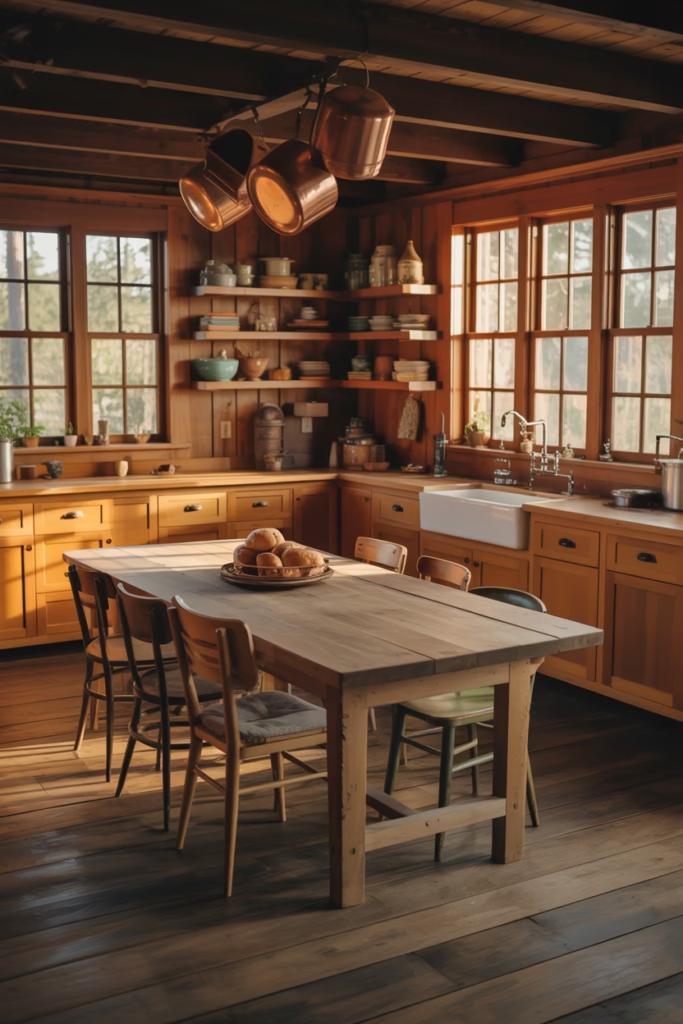
Rustic cabin kitchens are social spaces, not just functional ones.
Design elements that encourage gathering:
- Wooden dining tables
- Open shelving with everyday dishes
- Large farmhouse sinks
- Warm-toned cabinetry
A cabin kitchen should feel like a place where people linger, cook together, and share meals without rushing.
Bedrooms Built for Hibernation
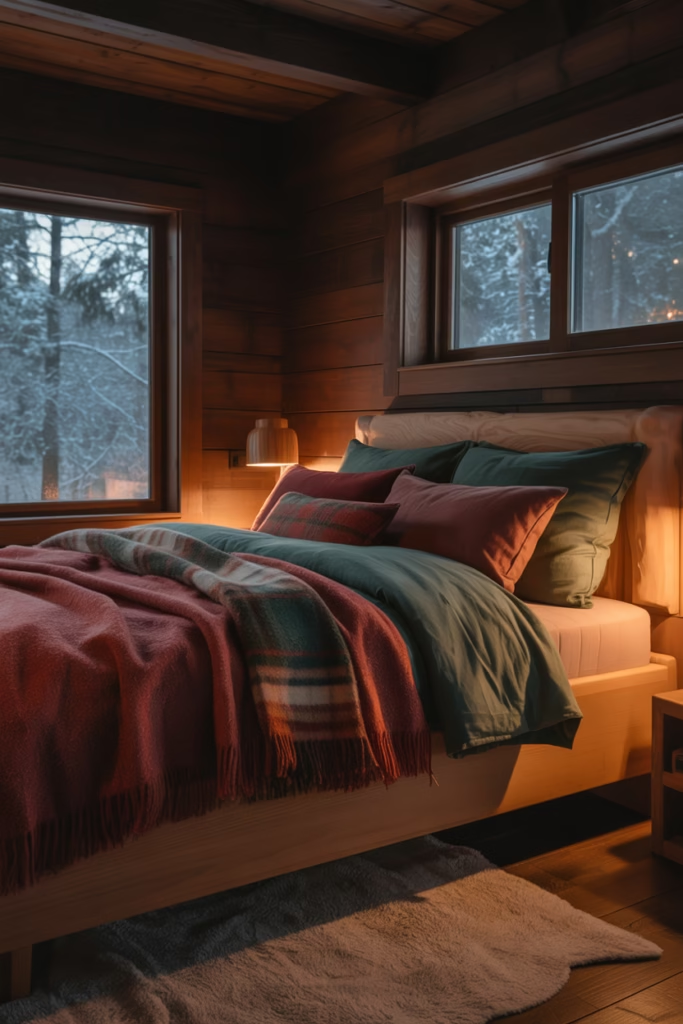
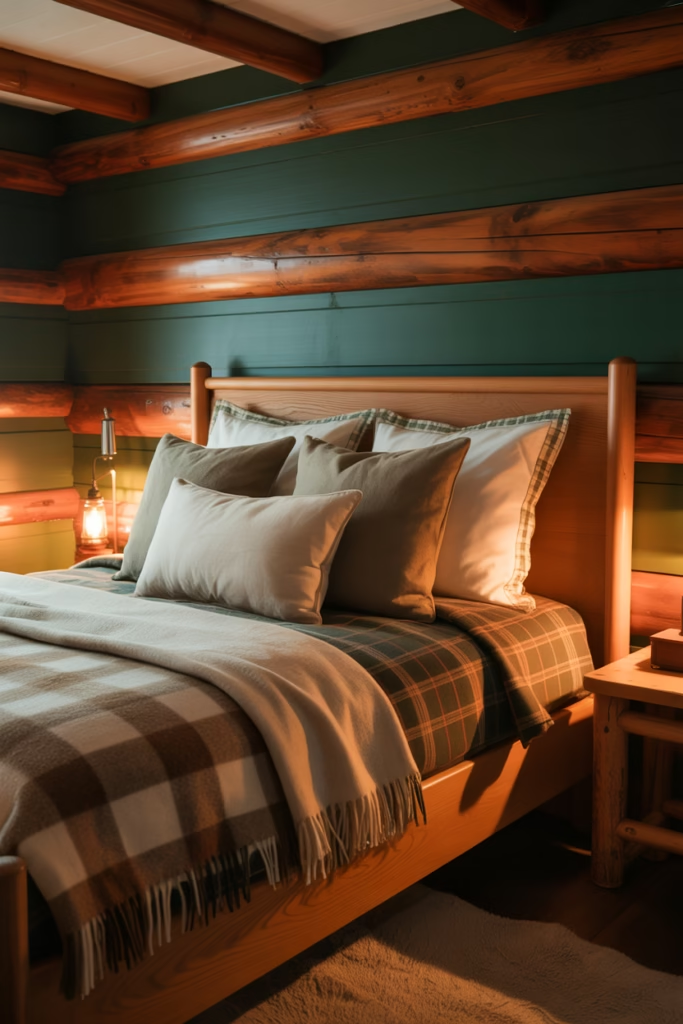
Cabin bedrooms are designed for rest—deep, uninterrupted, winter-ready rest.
To create that feeling:
- Use darker, warmer color palettes
- Layer bedding generously
- Choose solid wood bed frames
- Keep decor simple and calming
These bedrooms feel cocoon-like, making winter nights feel safe and deeply restful.
Decorating with the Outdoors in Mind
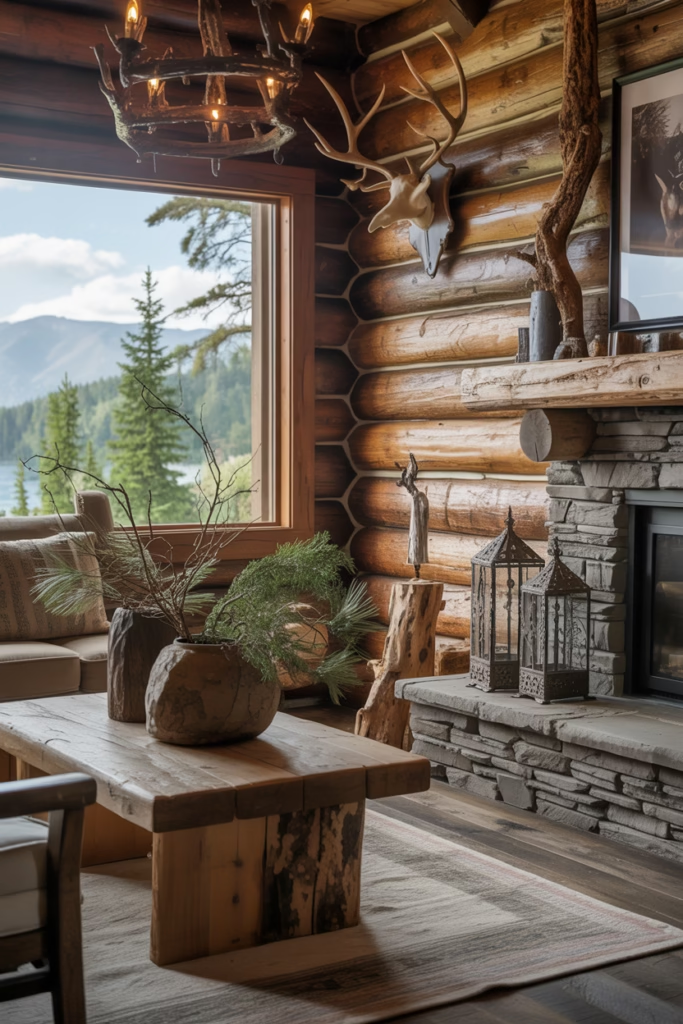
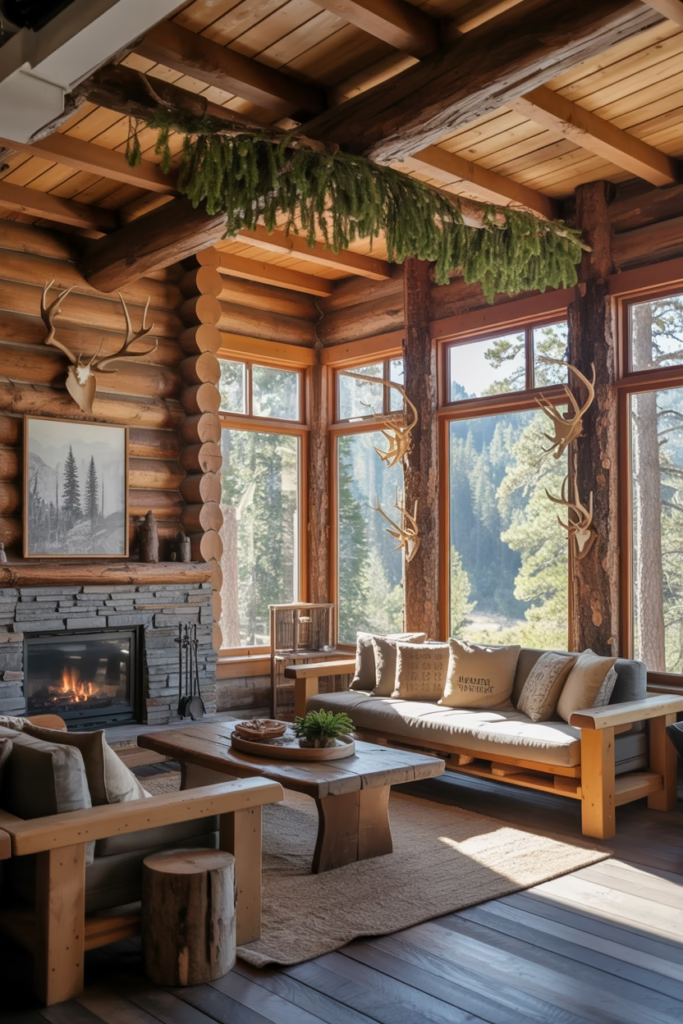
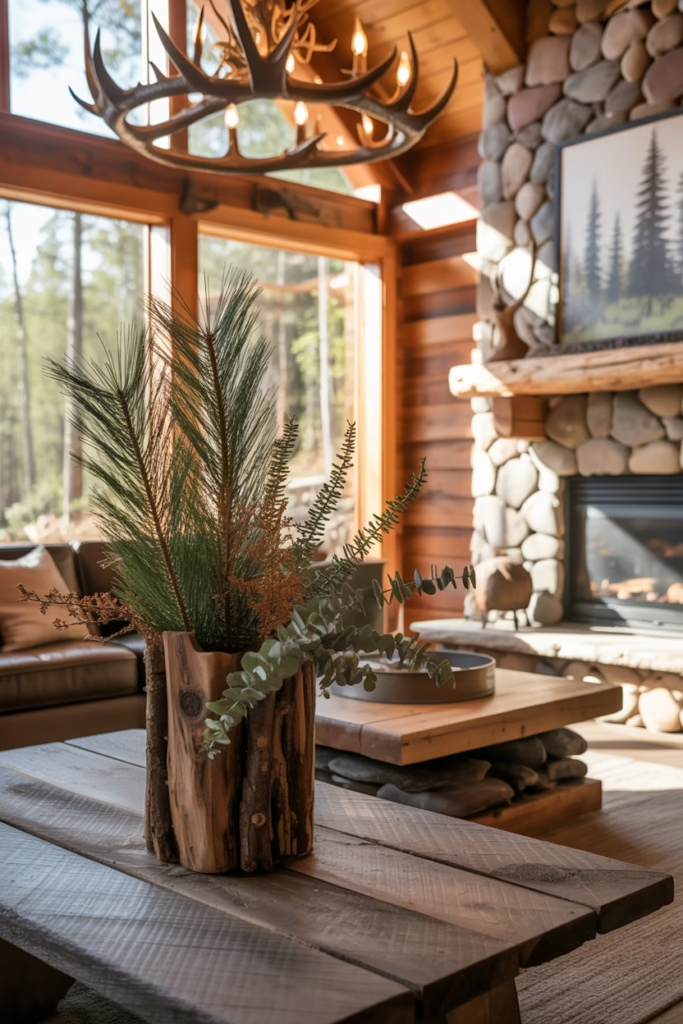
Rustic cabins blur the line between inside and outside.
Decor inspired by nature includes:
- Pine branches or dried greenery
- Antlers or woodland-inspired art
- Stone, wood, and metal accents
- Views framed, not blocked
The goal is to honor the surrounding landscape, not compete with it.
Why It All Matters
Rustic cabin interiors work because they support how we naturally want to live in winter:
- Slower
- Warmer
- More connected
- More present
These interiors create emotional comfort, not just visual appeal. They make winter feel intentional instead of something to endure.
FAQs About Rustic Cabin Interiors
Do rustic cabins have to look dark?
No. Warm neutrals, natural light, and layered lighting keep cabins cozy without feeling heavy.
Can rustic style work in modern homes?
Absolutely. Rustic elements blend beautifully with modern layouts when balanced thoughtfully.
What colors work best for winter cabins?
Warm browns, deep greens, charcoal, cream, rust, and muted neutrals.
Is rustic the same as farmhouse?
Not exactly. Rustic leans more raw, natural, and rugged, while farmhouse feels lighter and more refined.
Closing Thoughts
Rustic cabin interiors aren’t about decorating—they’re about creating a feeling. A feeling of warmth when the cold sets in, of comfort when the world feels quiet, and of connection to nature during winter’s stillness.
When designed with intention, a rustic cabin becomes more than a space—it becomes a winter refuge.