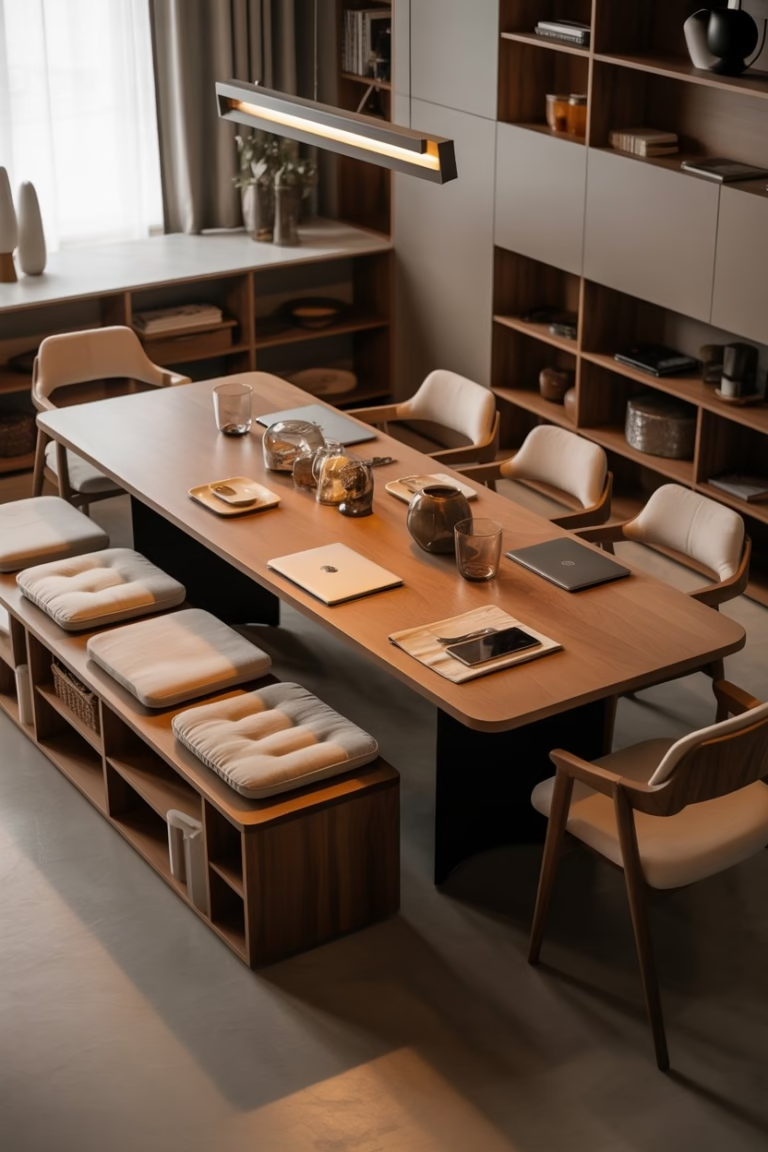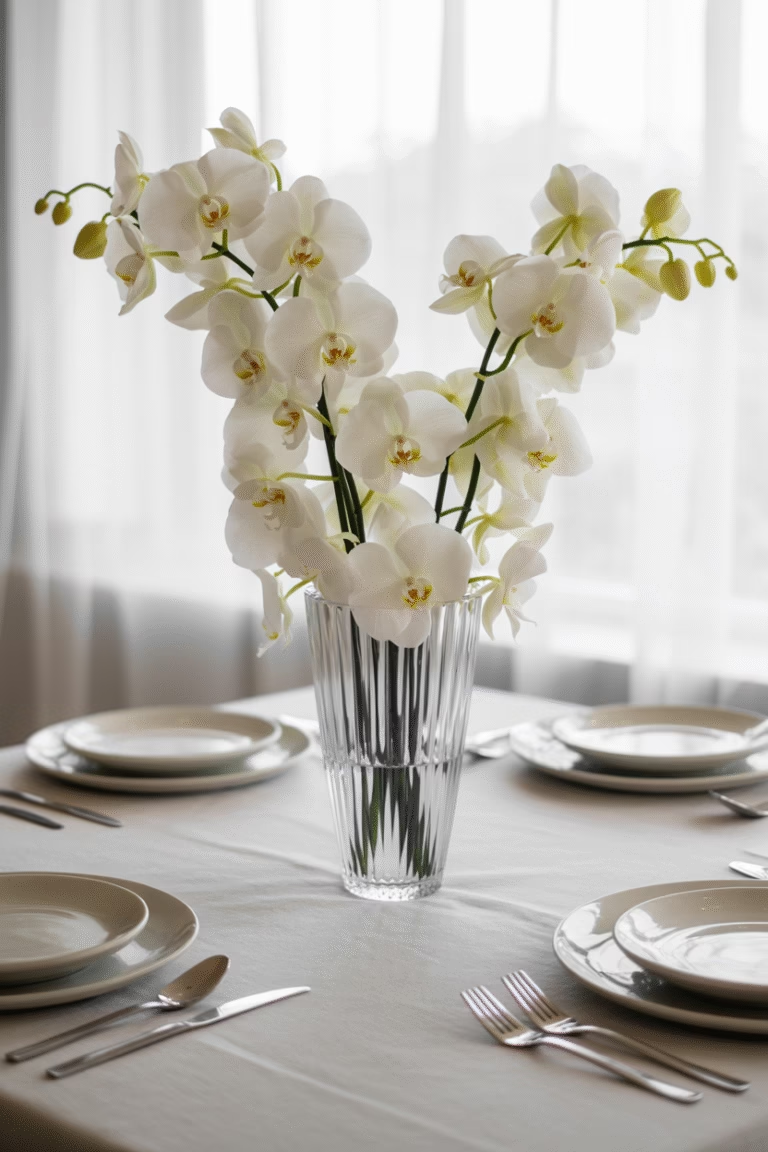

Dining Room Lighting Ideas That Set the Perfect Mood
Dining room lighting does more than help you see your food—it sets the tone for every meal, conversation, and gathering. The right lighting can make a simple dinner feel intimate, a family meal feel warm, and a celebration feel special.
This guide breaks down dining room lighting ideas that balance style, function, and atmosphere—so your dining space always feels just right.
Layering Light for Flexibility and Depth
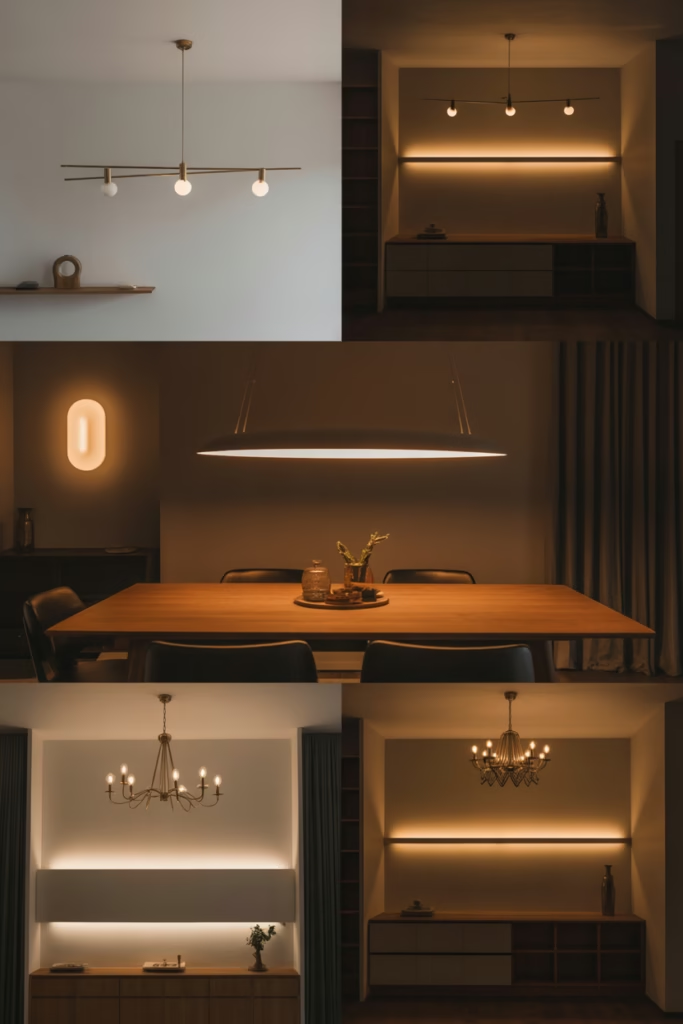
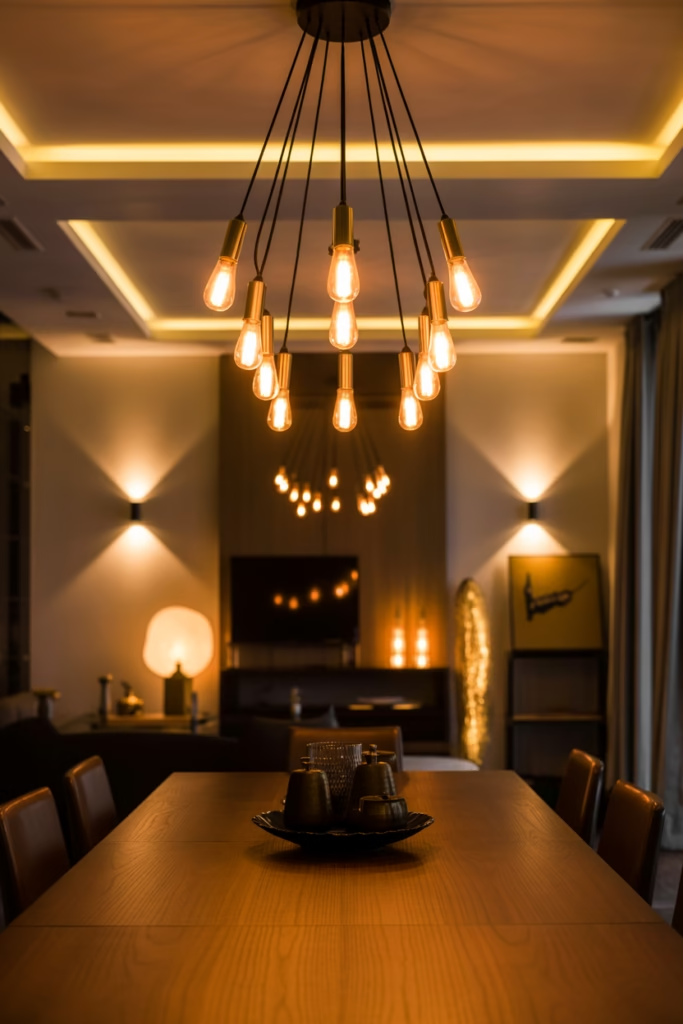
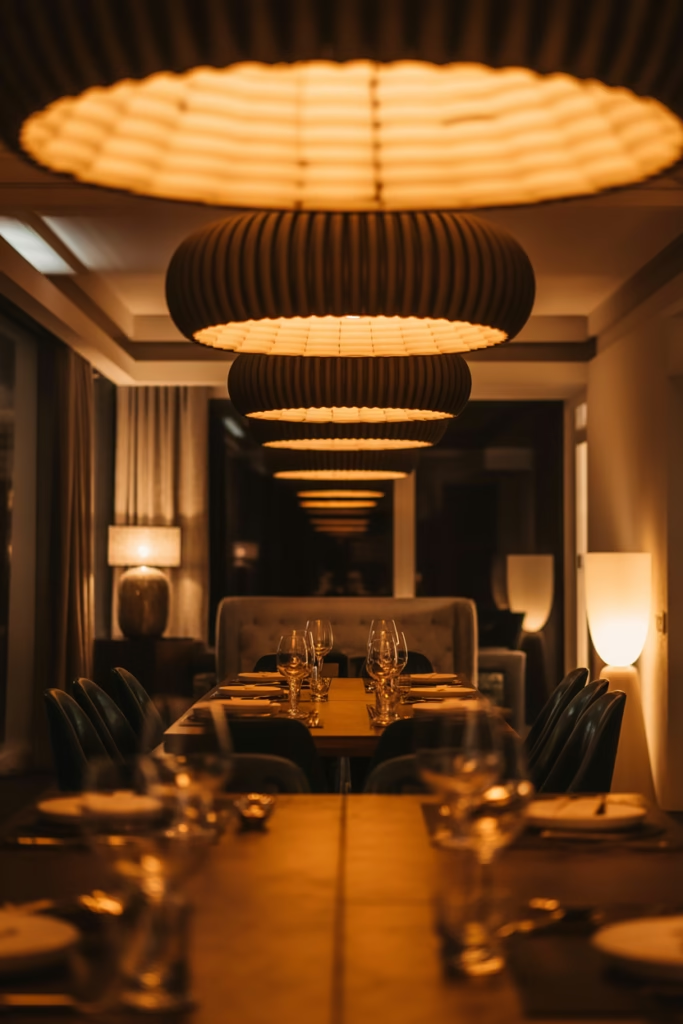
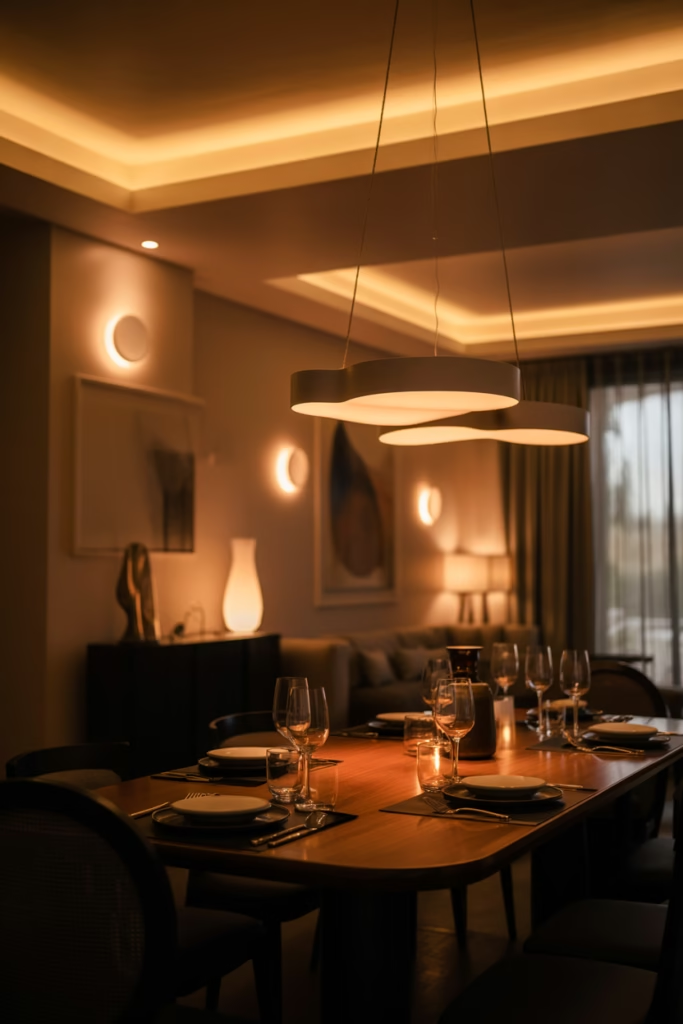
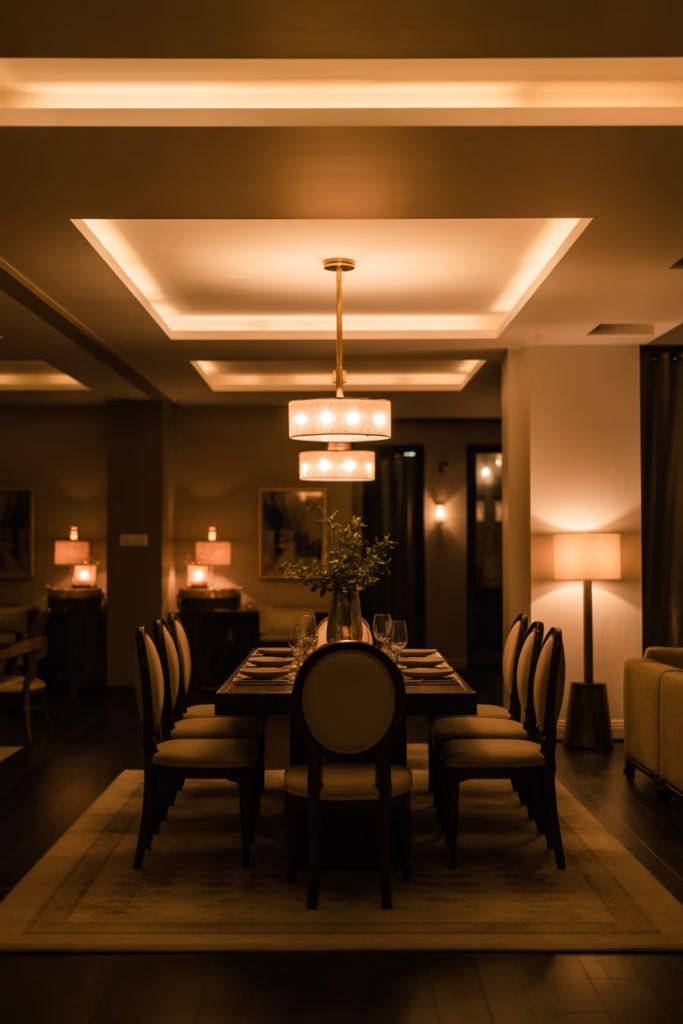
The most inviting dining rooms don’t rely on a single light source. Instead, they use layers.
A well-lit dining room includes:
- Ambient lighting (overall light)
- Task lighting (focused light over the table)
- Accent lighting (mood and depth)
Layering allows you to adjust the mood—from bright and functional to soft and intimate—depending on the occasion.
Statement Fixtures That Anchor the Room
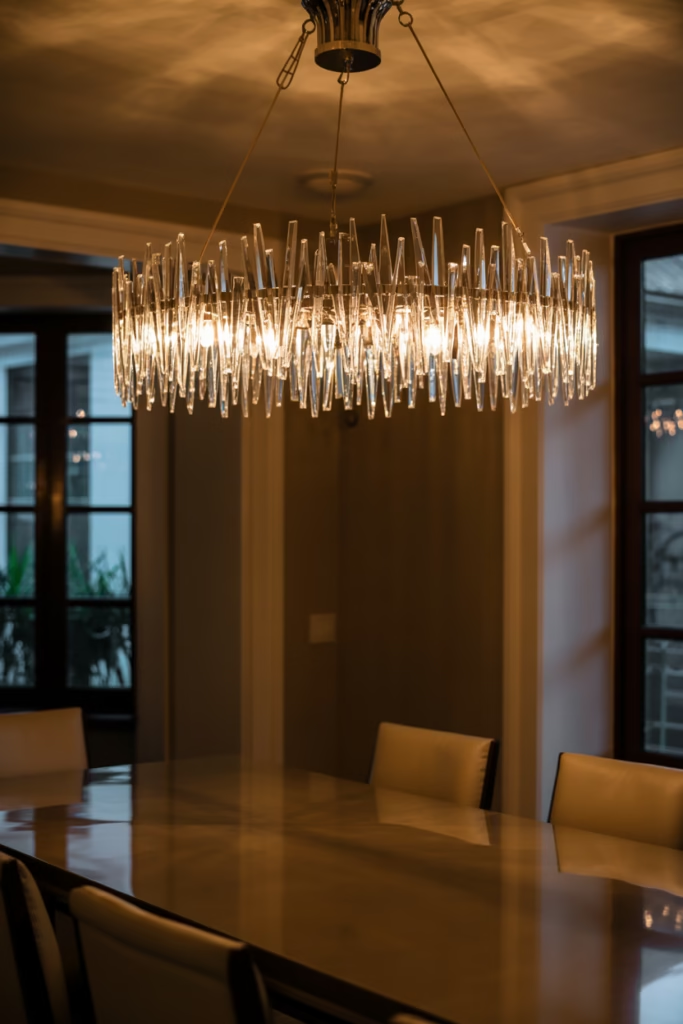
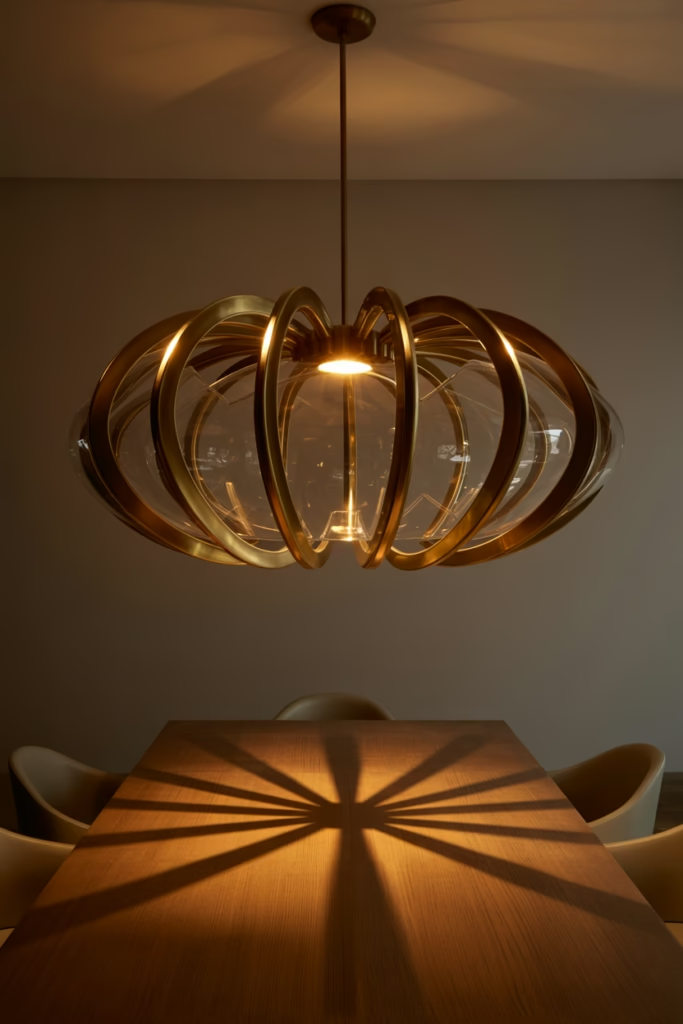
A statement light fixture acts as the visual centerpiece of the dining room.
Popular choices include:
- Chandeliers
- Oversized pendants
- Sculptural or artistic fixtures
The key is proportion. The fixture should be centered over the table and sized to complement it—not overpower it. A bold fixture instantly elevates even the simplest dining room.
Modern Minimalist Looks
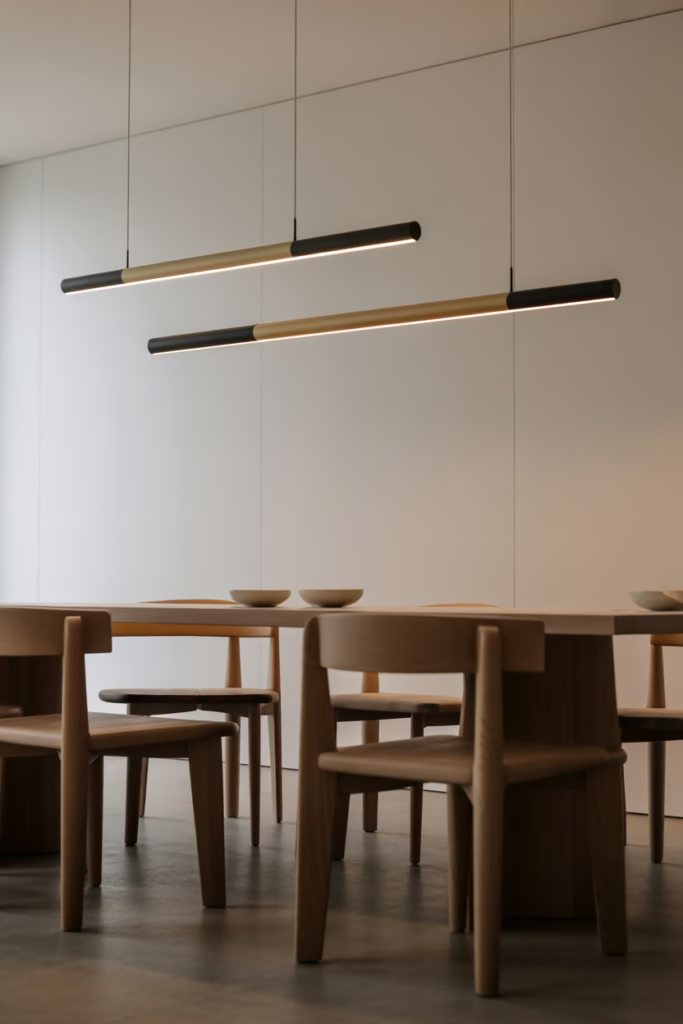
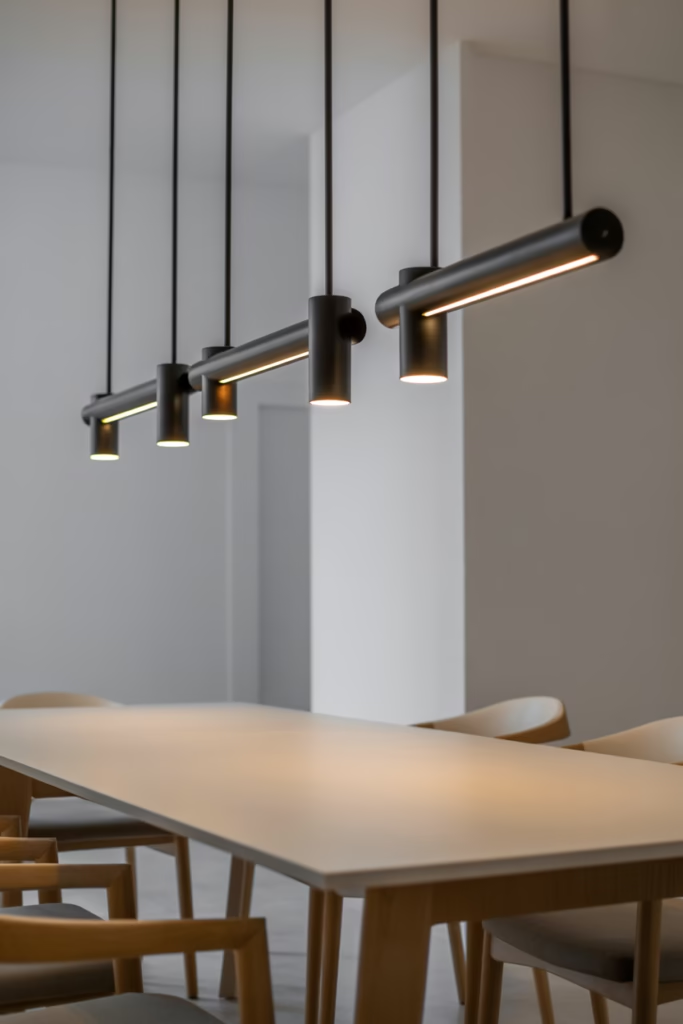
Minimalist lighting focuses on clean lines and simplicity.
Think:
- Sleek linear pendants
- Matte black or brushed metal finishes
- Subtle geometric shapes
These styles work beautifully in modern and contemporary dining rooms, keeping the space uncluttered while still feeling intentional.
Warm & Inviting Lighting Choices
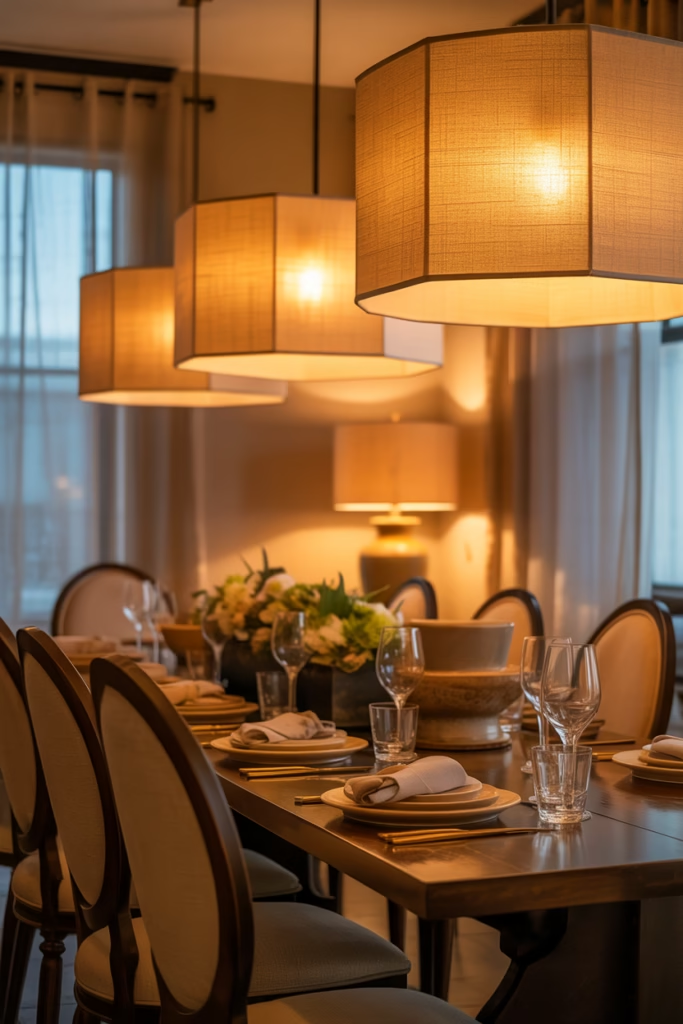
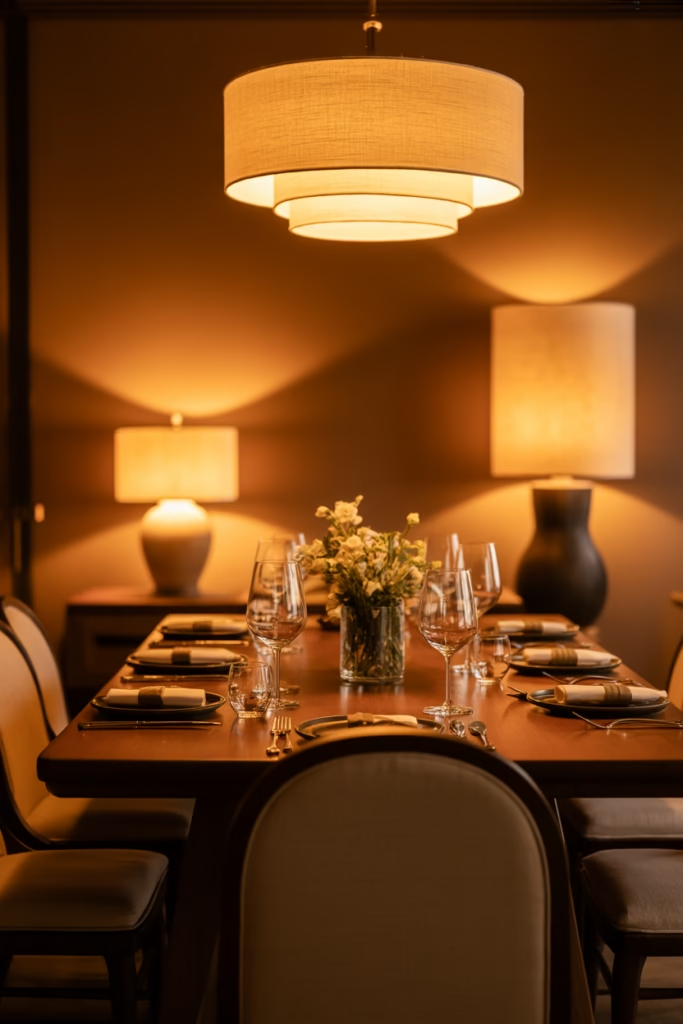
Warm light creates comfort and connection—exactly what a dining room needs.
To achieve a cozy glow:
- Choose warm bulbs (2700K–3000K)
- Use fabric or frosted shades
- Avoid harsh white or blue-toned light
Warm lighting makes food look better and guests feel more relaxed.
Accent & Mood Enhancers
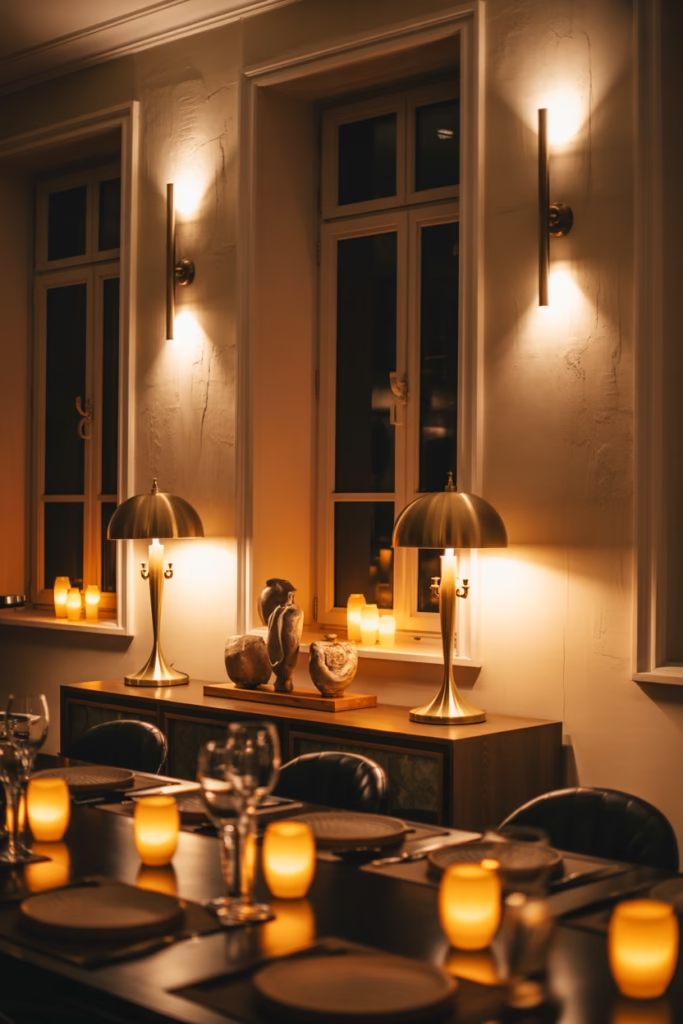
Accent lighting adds depth and character to the room.
Great options include:
- Wall sconces
- Buffet or console lamps
- Candles or LED candle alternatives
These smaller lights soften the space and prevent it from feeling flat or overly bright.
Mixing Old & New
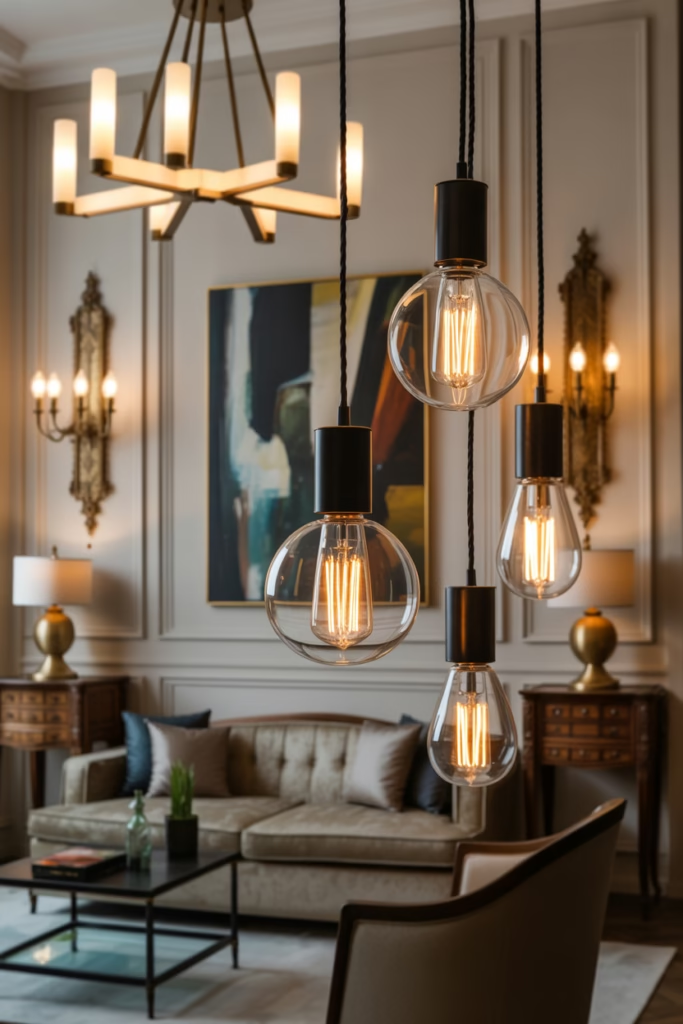
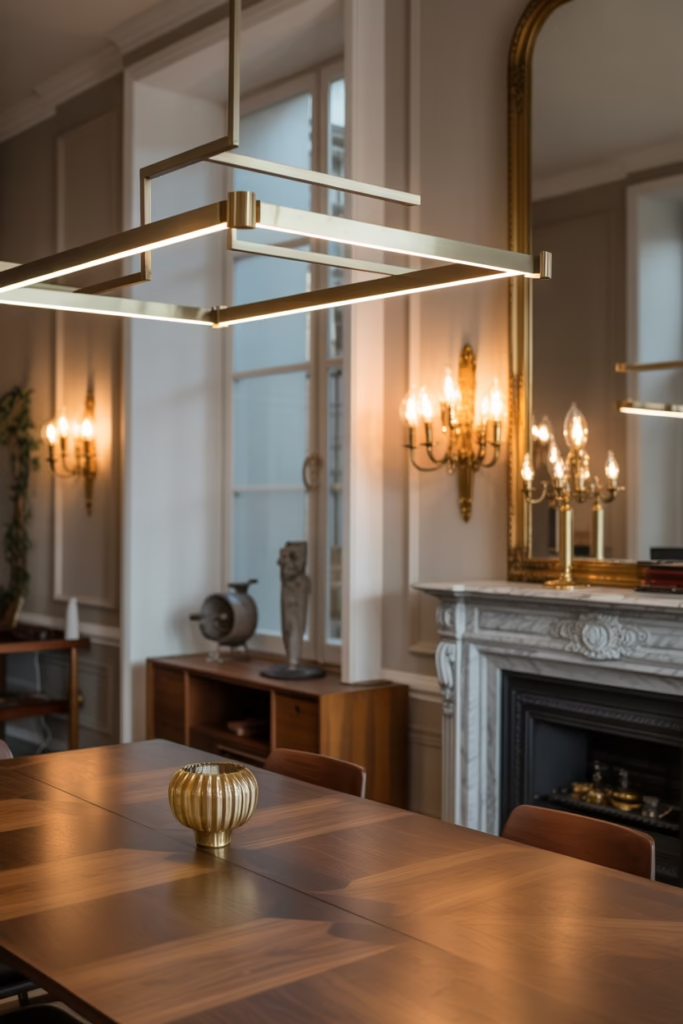
Combining traditional and modern lighting elements creates a layered, collected look.
For example:
- A modern chandelier with vintage sconces
- A classic fixture paired with sleek furniture
- Antique-inspired bulbs in contemporary designs
This mix adds personality and prevents the room from feeling too trendy or too formal.
Practical Tips & Pro Advice
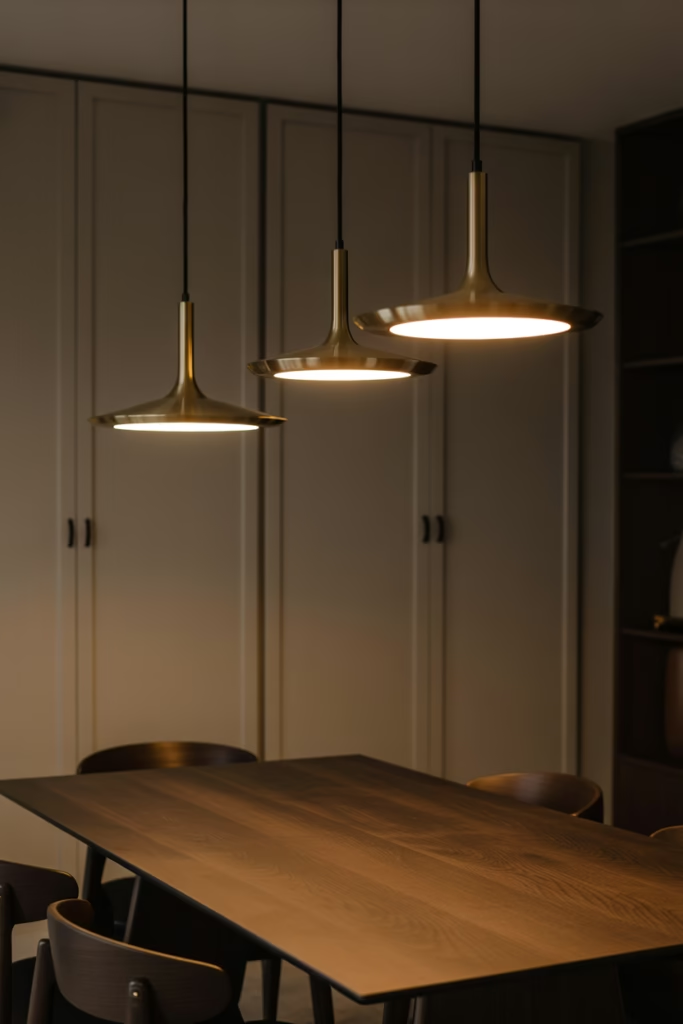
- Hang pendants 30–36 inches above the table
- Use dimmers whenever possible
- Match metal finishes with other room accents
- Keep lighting centered on the table, not the room
- Scale matters more than style
Lighting should enhance the dining experience—not distract from it.
Why It All Matters
Dining room lighting affects:
- Mood and atmosphere
- How food looks
- How comfortable guests feel
- How polished the space appears
Good lighting turns a dining room into a place people want to linger.
FAQs: Dining Room Lighting
Should the dining room light be centered on the table or room?
Always center it over the table.
Can I use more than one pendant?
Yes—especially over long or rectangular tables.
Are dimmers really necessary?
Highly recommended. They offer flexibility and instant mood control.
What’s the best bulb color for dining rooms?
Warm white (2700K–3000K).
Final Thoughts
Dining room lighting is about balance—between function and feeling, style and comfort. By layering light, choosing the right fixture, and using warm tones, you can create a dining room that feels welcoming for everyday meals and special occasions alike.
When the lighting feels right, everything else falls into place