
The Hidden Power of Interior Spaces on Your Mental Health Design Trends That Heal
Have you ever walked into a room and instantly felt calm—or the opposite, overwhelmed? That’s not just a coincidence. The spaces we live and work in have a profound effect on our mood, energy, and overall mental well-being. From the colors on the walls to the amount of natural light, every design element plays a role in shaping how we feel. In today’s fast-paced world, more people are turning to therapeutic interior design to create homes that not only look beautiful but promote peace, focus, and happiness. This article explores the powerful connection between interior space and mental health, while diving deep into the latest design trends that help heal the mind
1. Natural Light Boosts Serotonin Levels
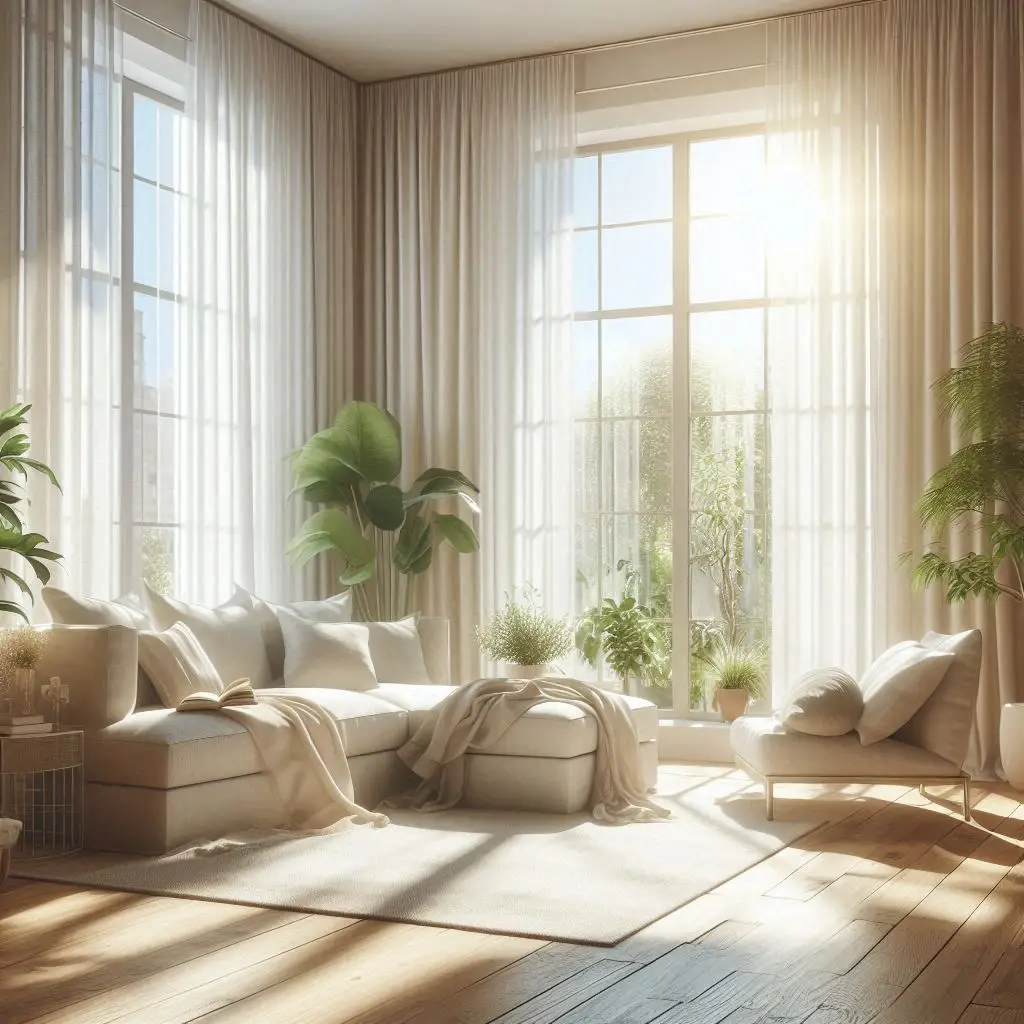
Sunlight is not just for Instagram-worthy rooms — it directly impacts your mood. Studies show that spaces with large windows, skylights, or sheer curtains improve serotonin levels, which can reduce anxiety and depression. Letting more daylight in your home makes it feel warmer, more inviting, and emotionally uplifting.
2. Biophilic Design Heals Stress
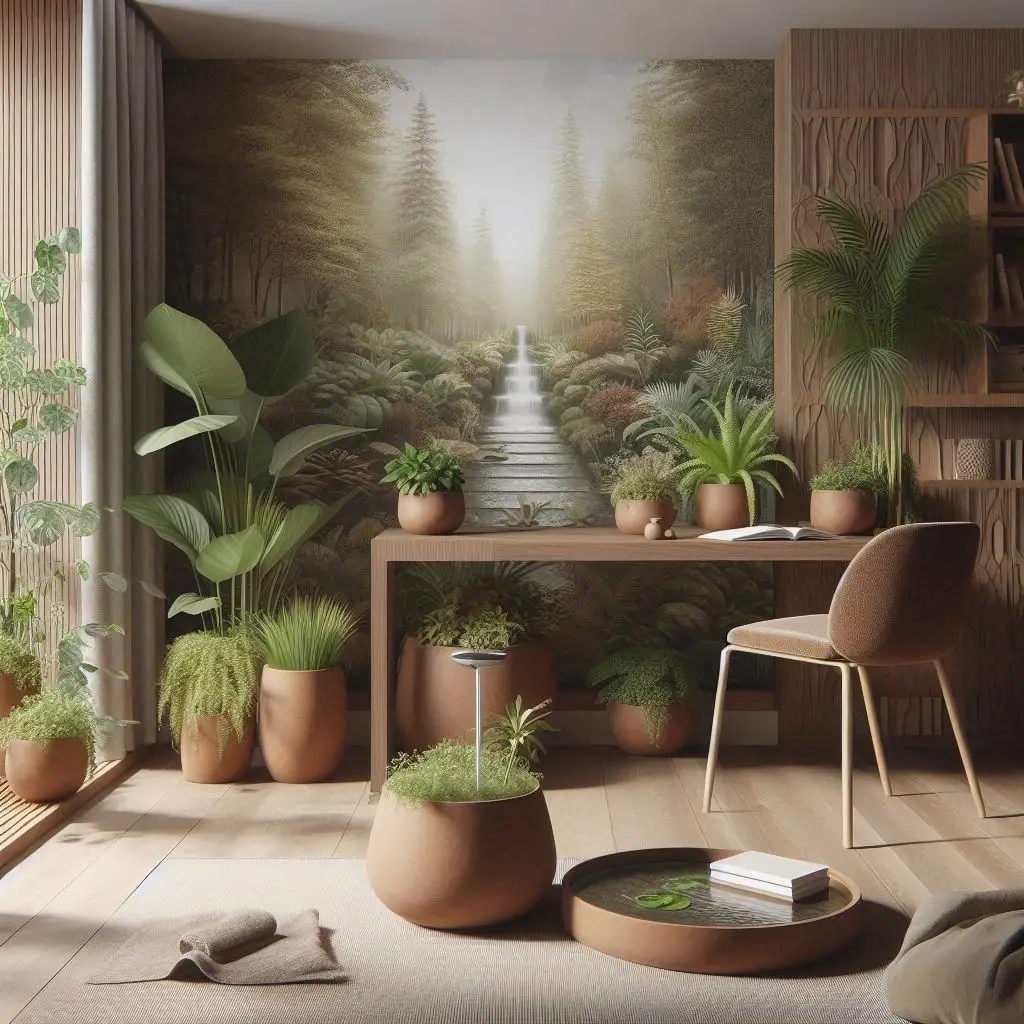
Biophilic design means bringing nature indoors. Plants, indoor water fountains, or nature-inspired wallpapers lower cortisol (stress hormone) and help with mental restoration. Even small touches like wooden textures or green color schemes mimic nature and promote calmness.
3. Decluttered Spaces = Decluttered Minds
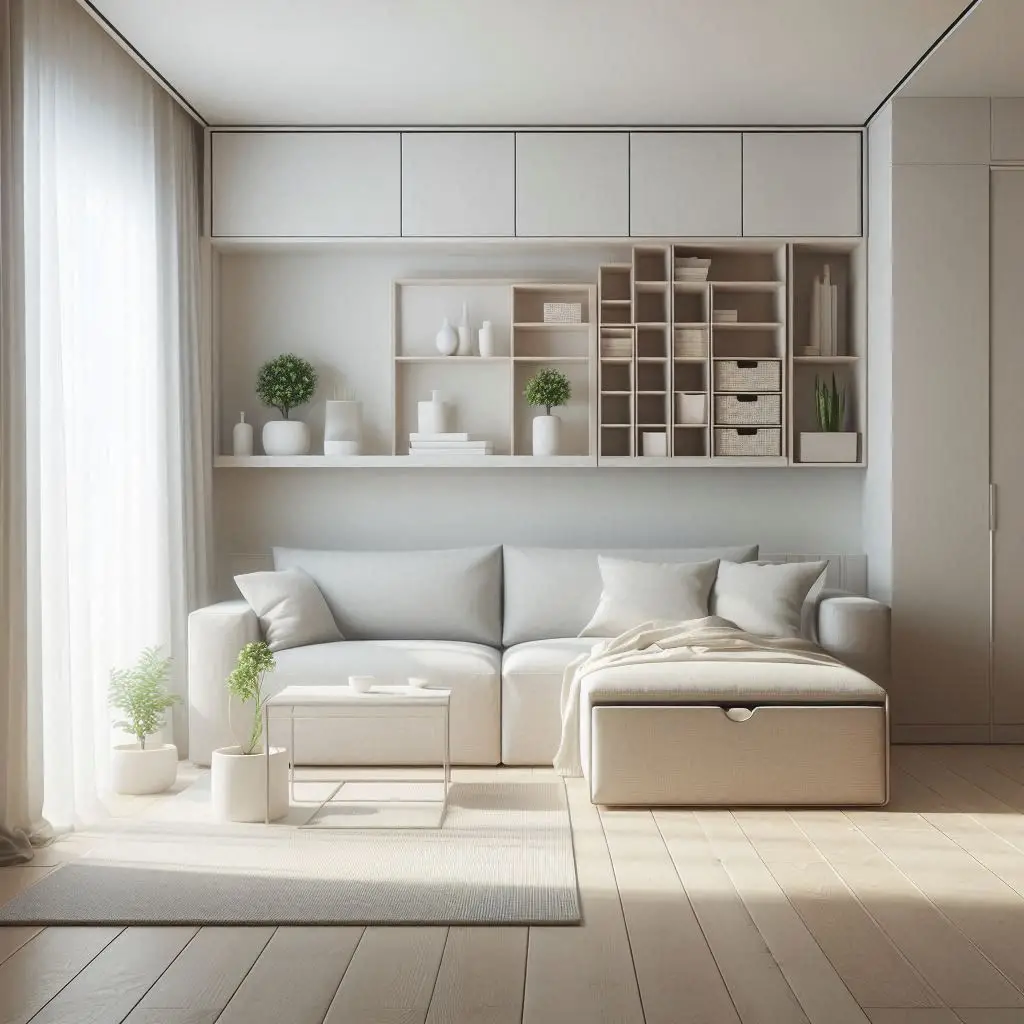
A messy space can trigger anxiety and make it hard to focus. Minimalist layouts and smart storage solutions (like hidden shelves or under-bed drawers) help reduce visual noise. Organized interiors allow your brain to rest, enhancing your productivity and emotional well-being.
4. Color Psychology Affects Your Emotions
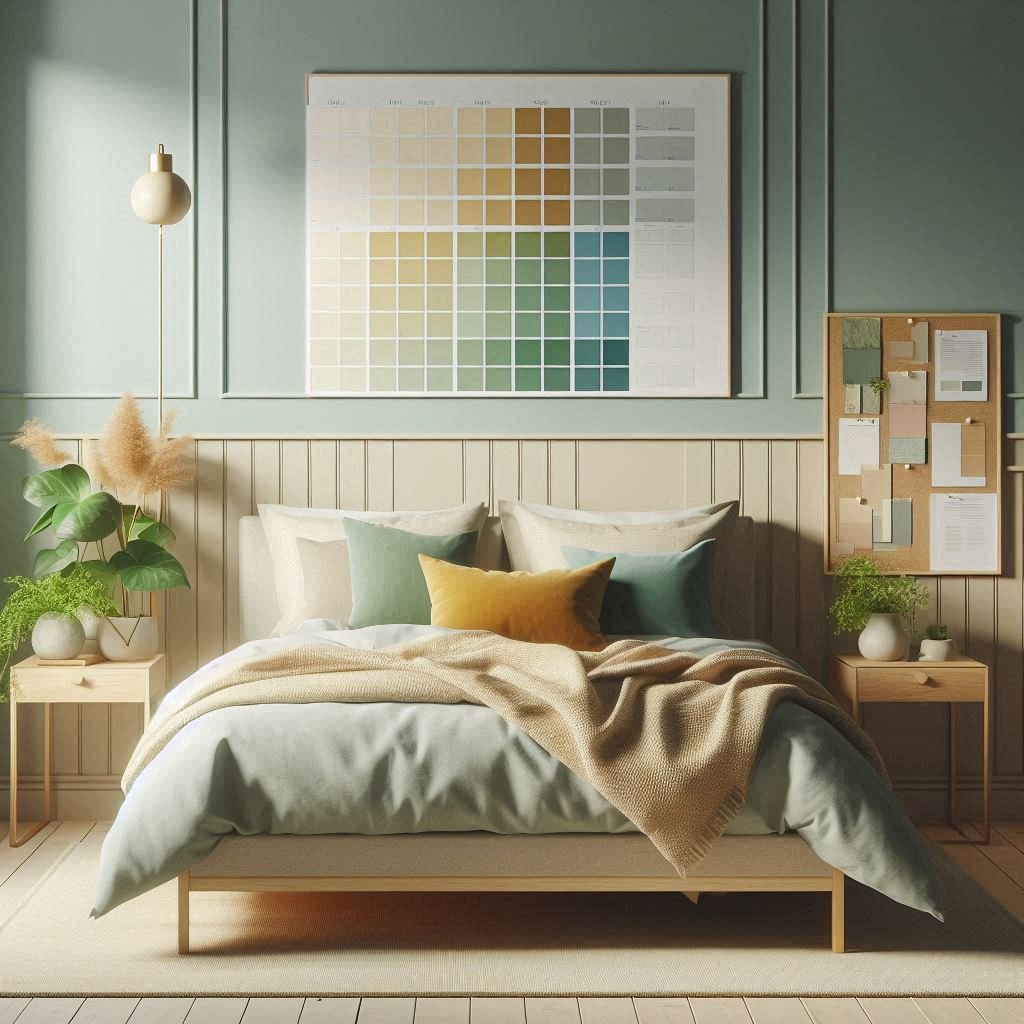
Colors can calm or stimulate you. Soft blues and greens reduce heart rate and stress, while yellows add warmth and optimism. Avoid harsh reds or heavy blacks in relaxing areas — instead, choose tones that reflect the mood you want to create.
5. Scent-Scaping Enhances Mood
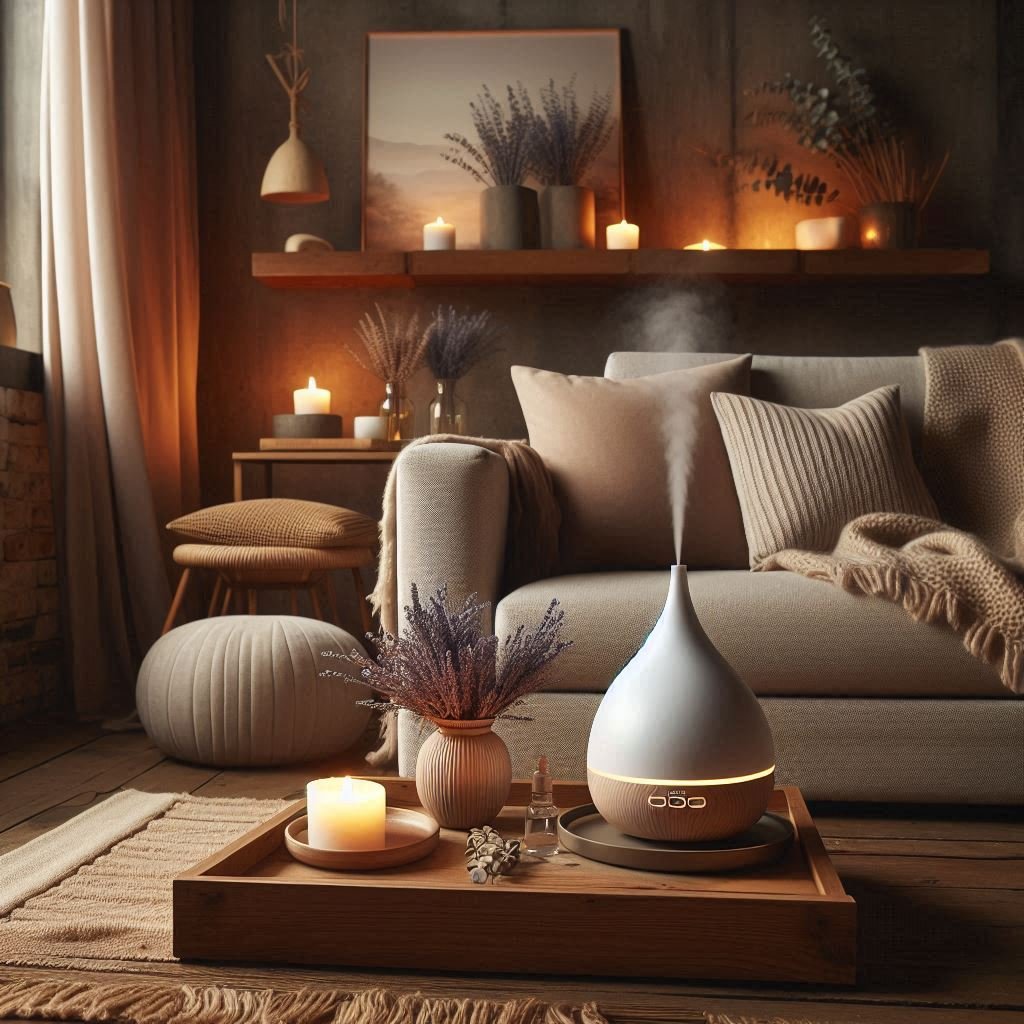
Interior spaces that include scents like lavender, eucalyptus, or vanilla can create emotional triggers. Diffusers and scented candles not only elevate the room but also help reduce mental fatigue and improve sleep quality.
6. Soundproofing Creates Mental Quiet
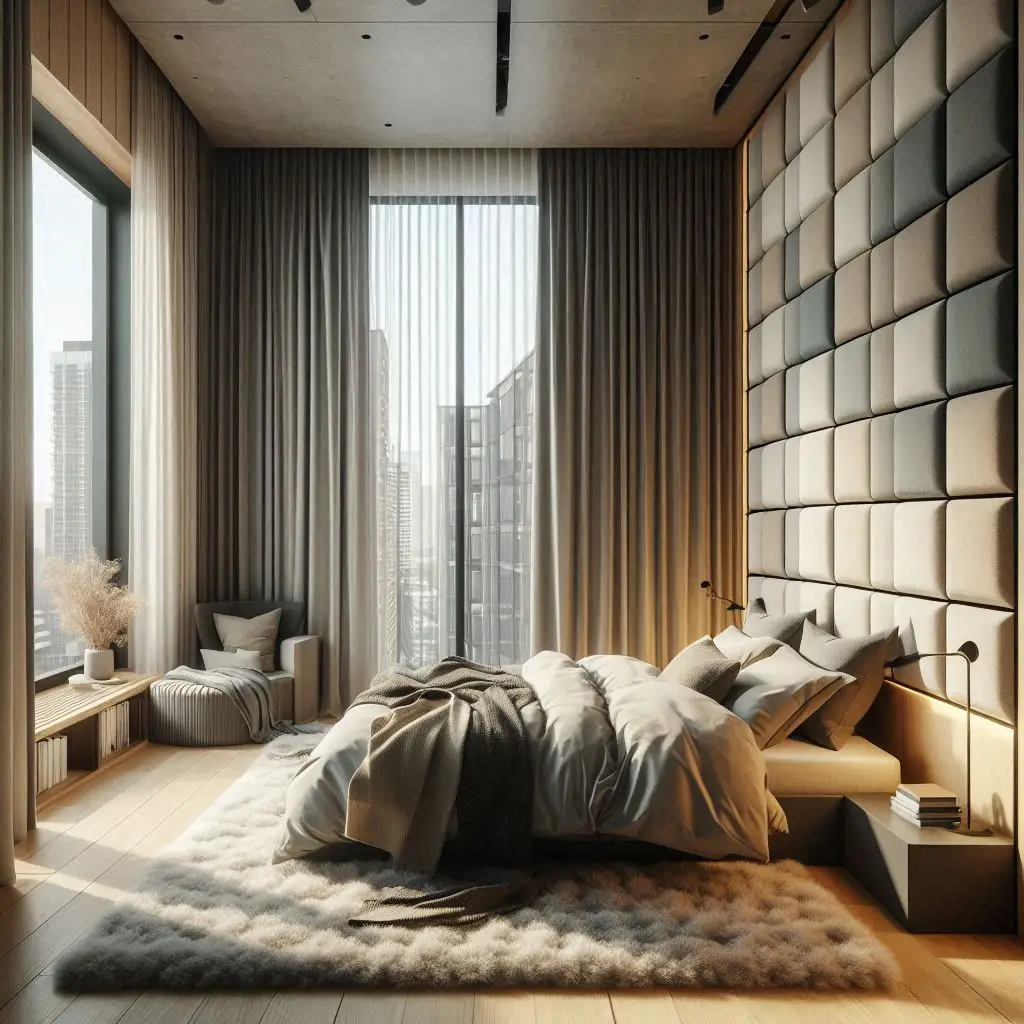
Urban noise can elevate stress and disturb sleep. Interior trends now focus on sound-absorbing materials — like carpets, thick curtains, or acoustic panels — to create peaceful zones. A quiet environment supports focus, healing, and emotional clarity.
7. Cozy Textures Promote Safety
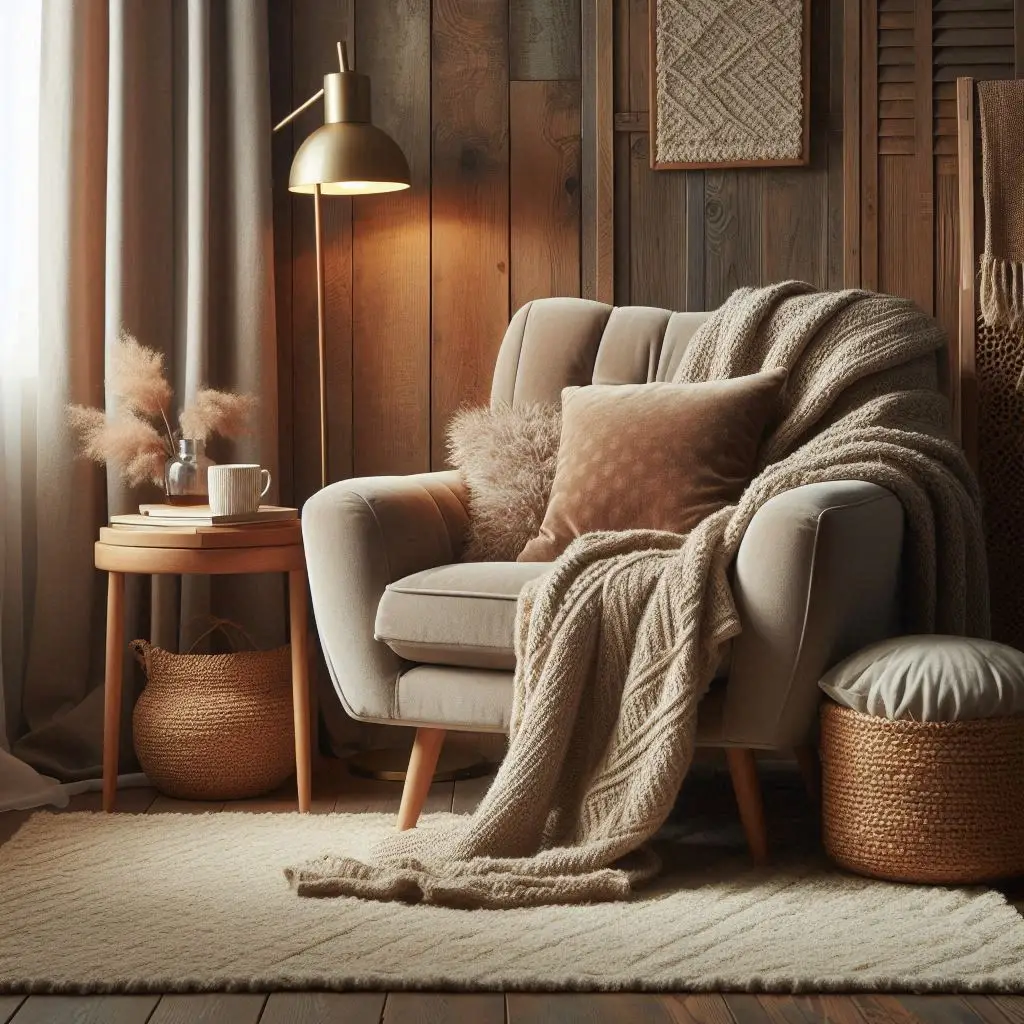
Fabrics like velvet cushions, wool throws, or plush rugs send signals of comfort to your brain. These tactile experiences evoke feelings of warmth and security — essential for mental recovery after a long day.
8. Personalized Spaces Strengthen Identity
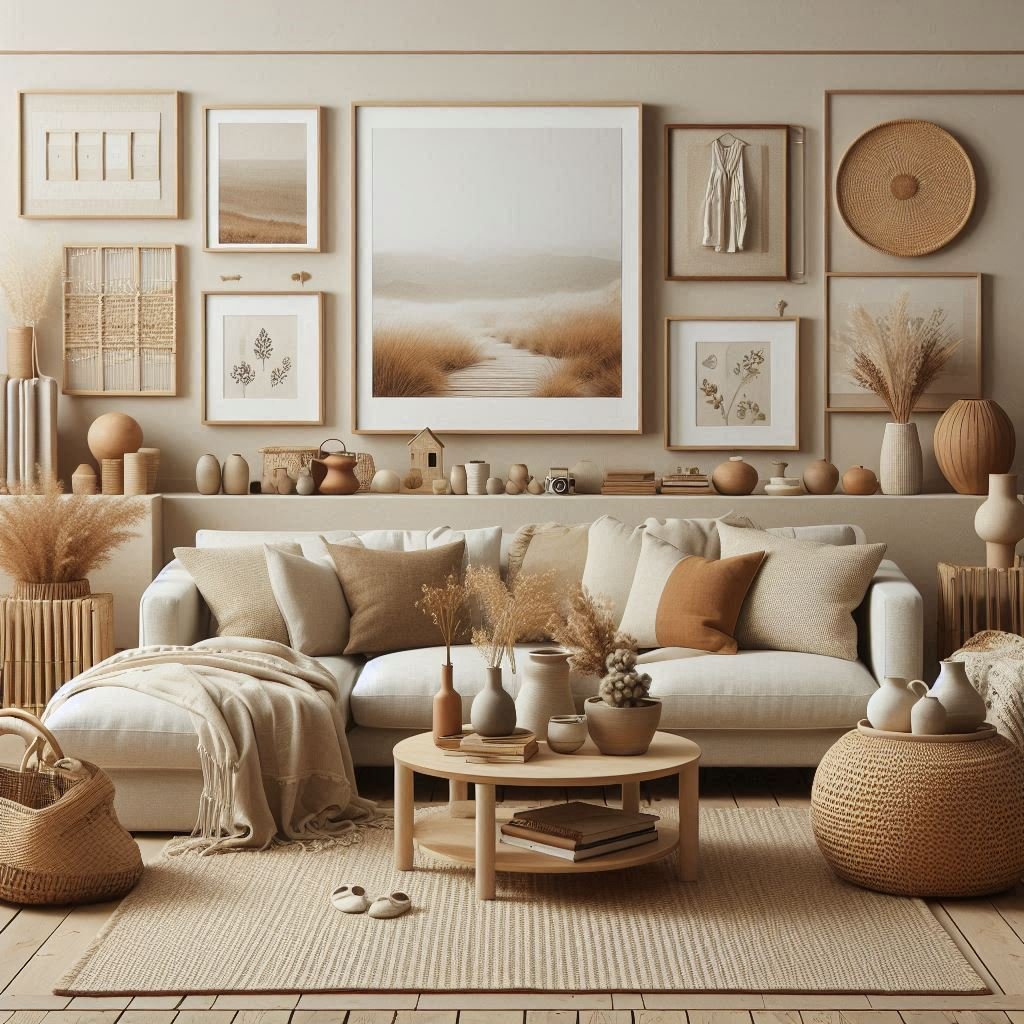
Surrounding yourself with items that reflect your personality (art, books, photos) gives you a sense of control and emotional grounding. Interior trends now encourage more “you-centric” designs that support self-expression.
9. Open Layouts Encourage Connection
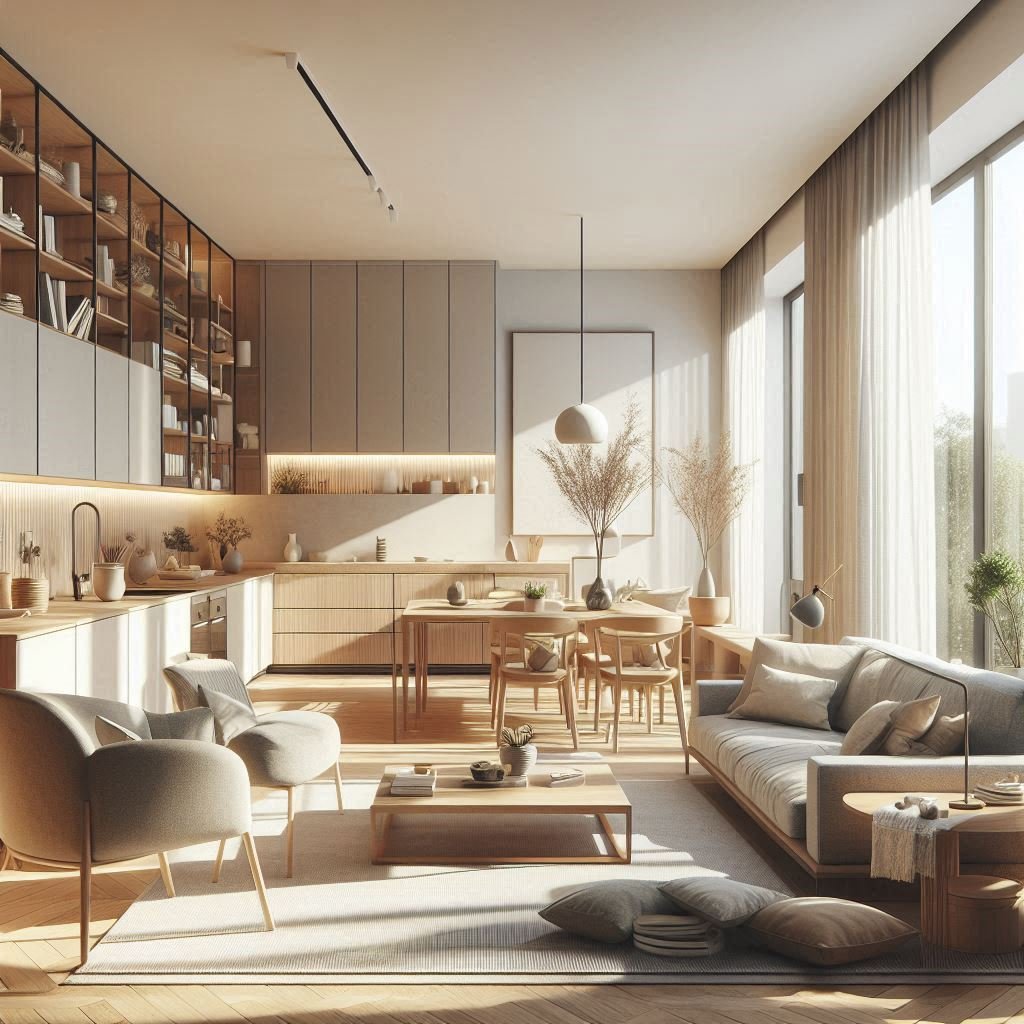
Isolated room designs can sometimes increase loneliness. Open-plan layouts, common in modern homes, encourage family interaction and reduce feelings of emotional isolation. Shared spaces nurture human connection — a key for mental well-being.
10. Calm Corners for Mindfulness
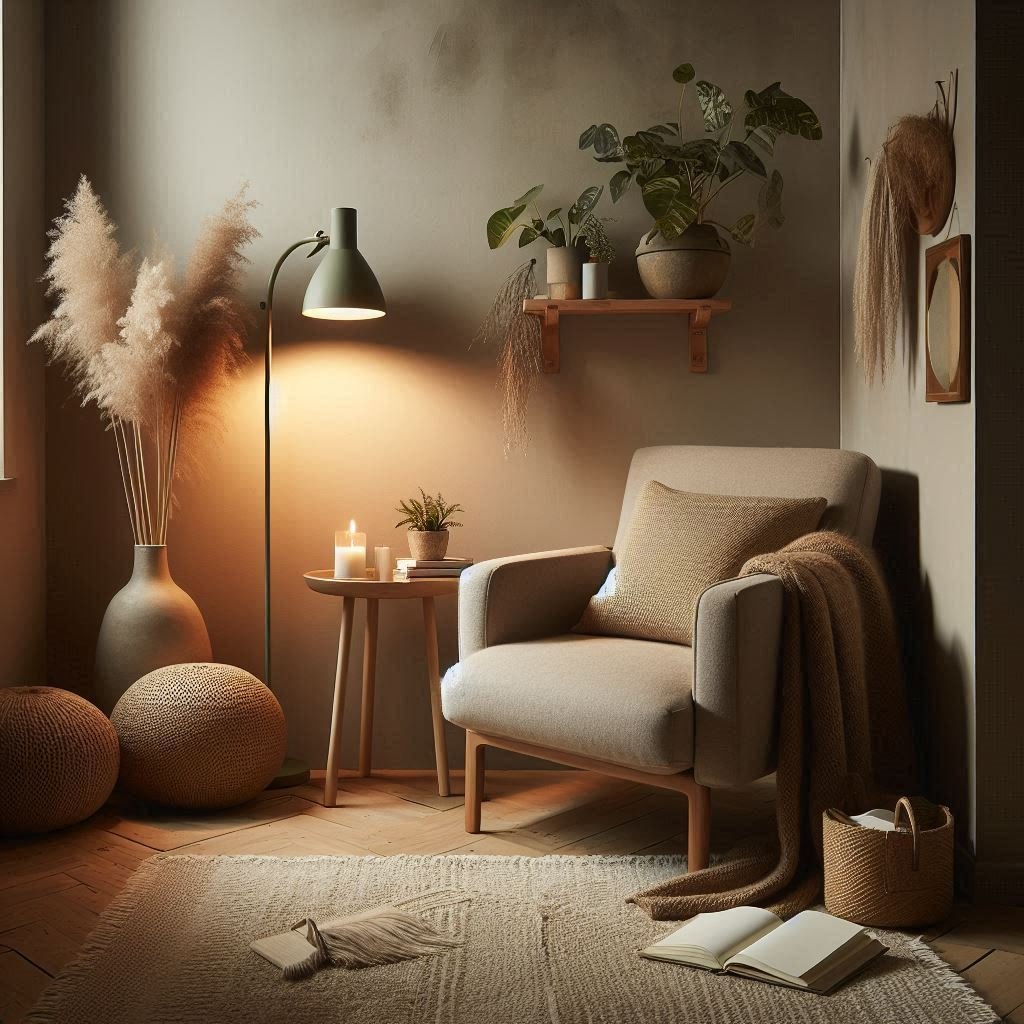
Small designated zones for journaling, reading, or meditation are trending. Even a chair with a soft light in a corner can become a retreat. These “mental break zones” support mindfulness and self-care.
11. Smart Lighting for Emotional Control
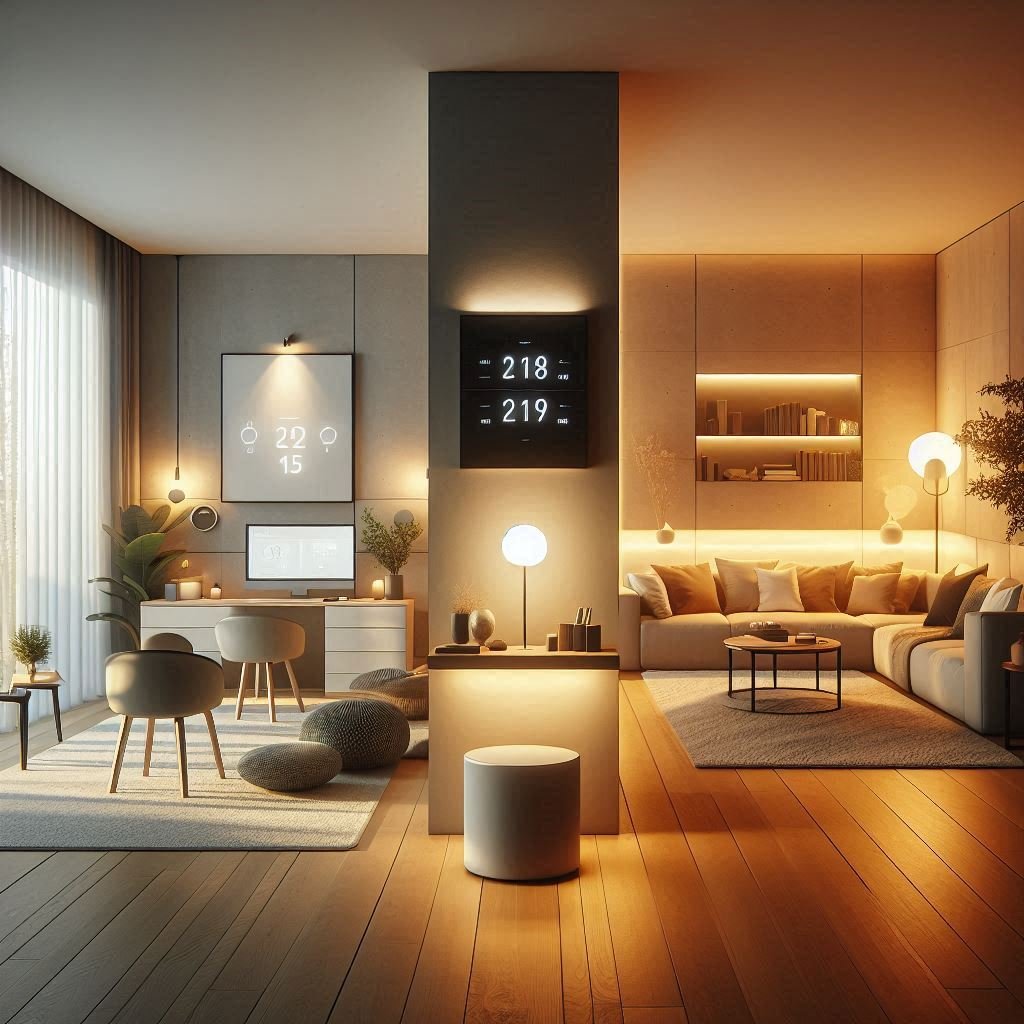
Adjustable lighting (warm vs. cool tones) helps set the emotional tone of a room. Cool white helps with focus in workspaces, while warm amber lights promote relaxation in the evening. Many are now using smart bulbs that change color with time of day.
12. Mirrors to Reflect Light and Space
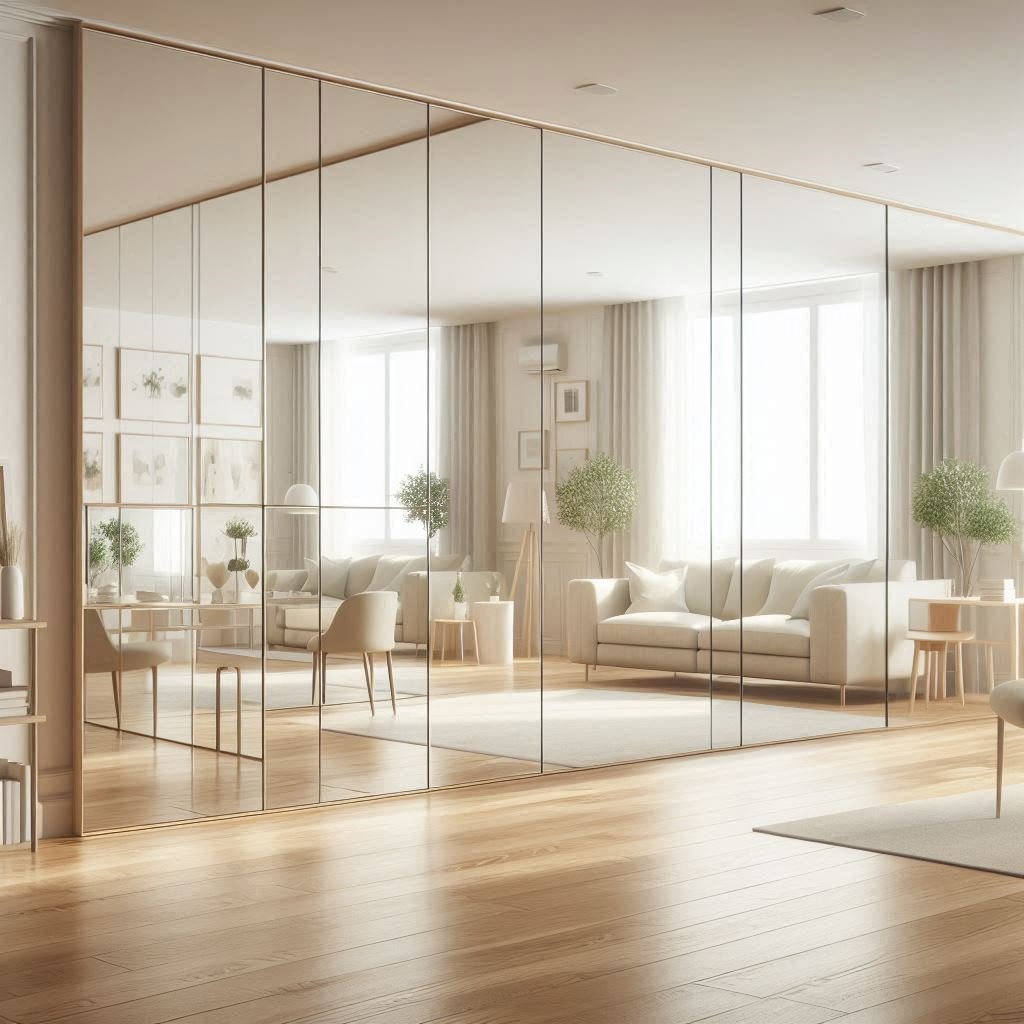
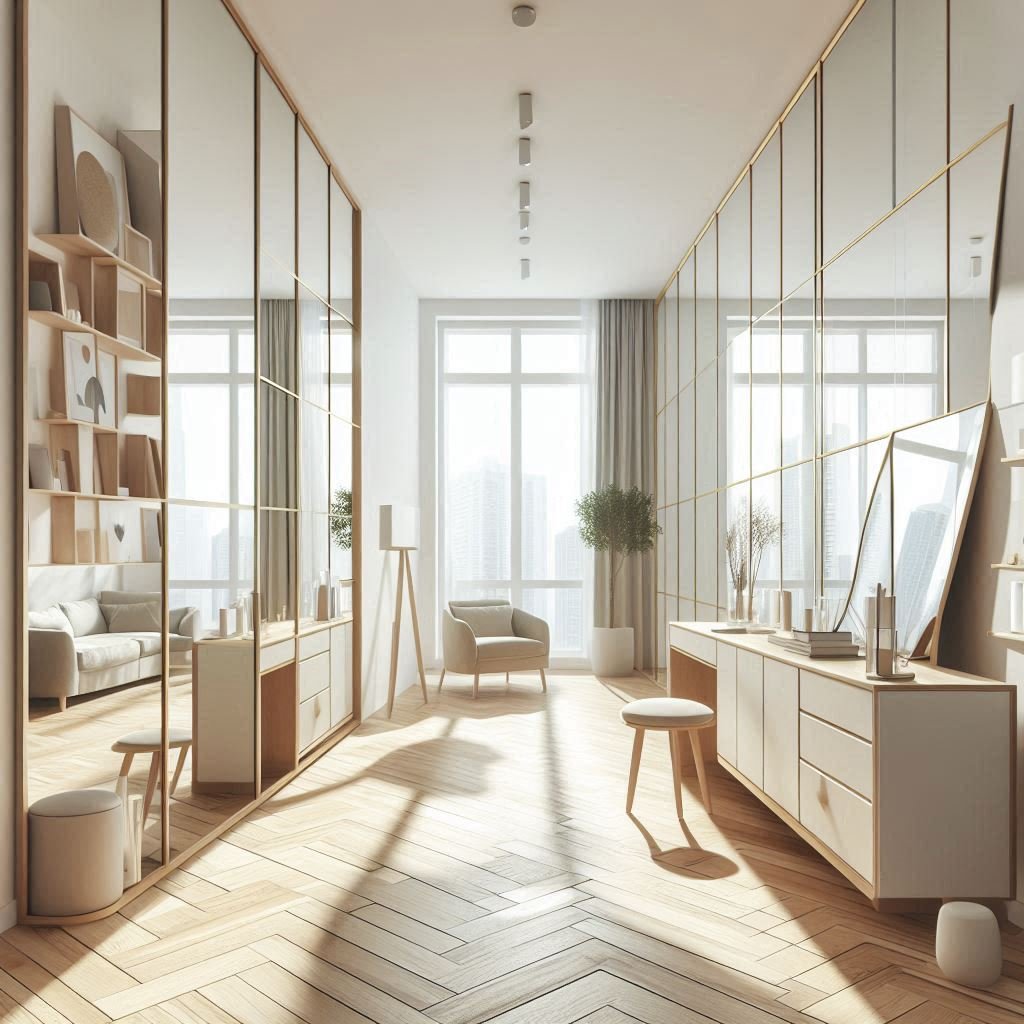
Strategically placed mirrors bounce light and create an illusion of spaciousness — making rooms feel less claustrophobic. This boosts comfort and reduces visual stress, especially in small apartments or tight offices.
13. Nature Views Reduce Anxiety
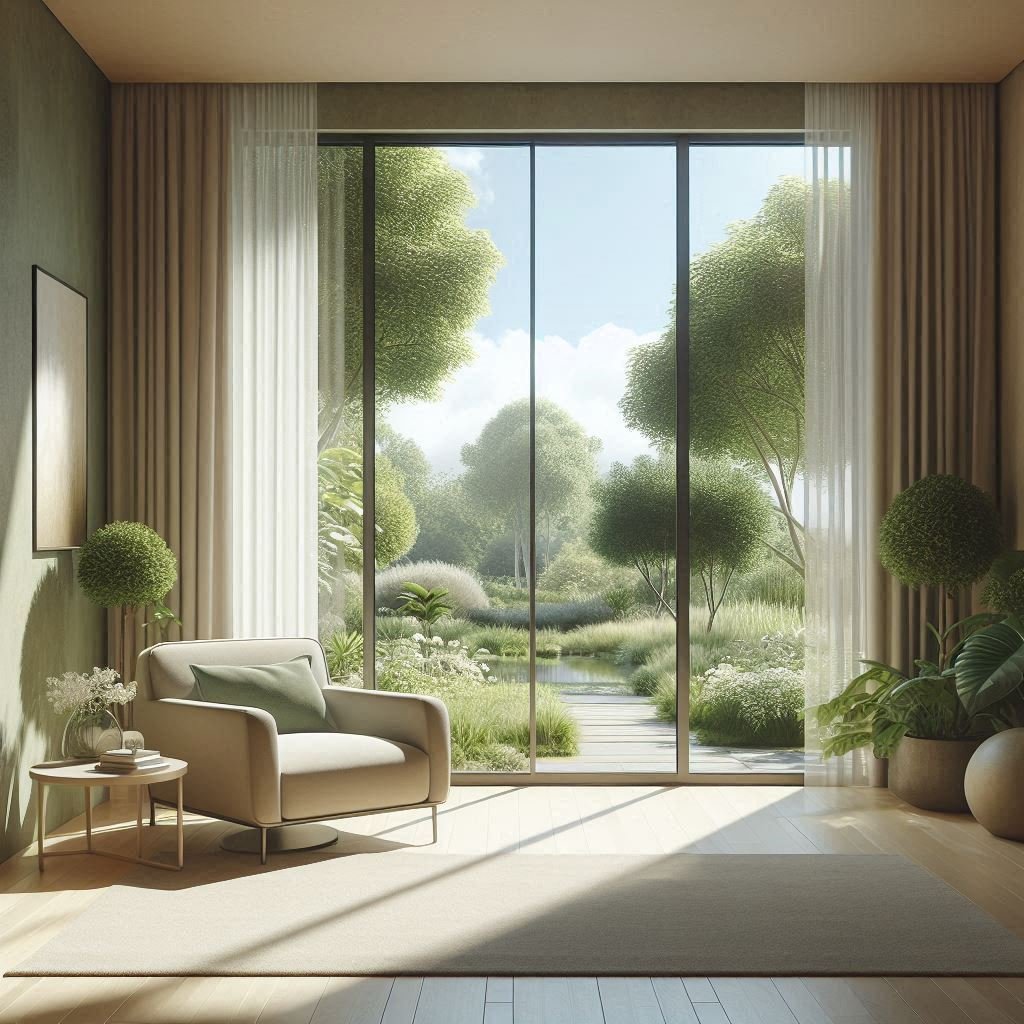
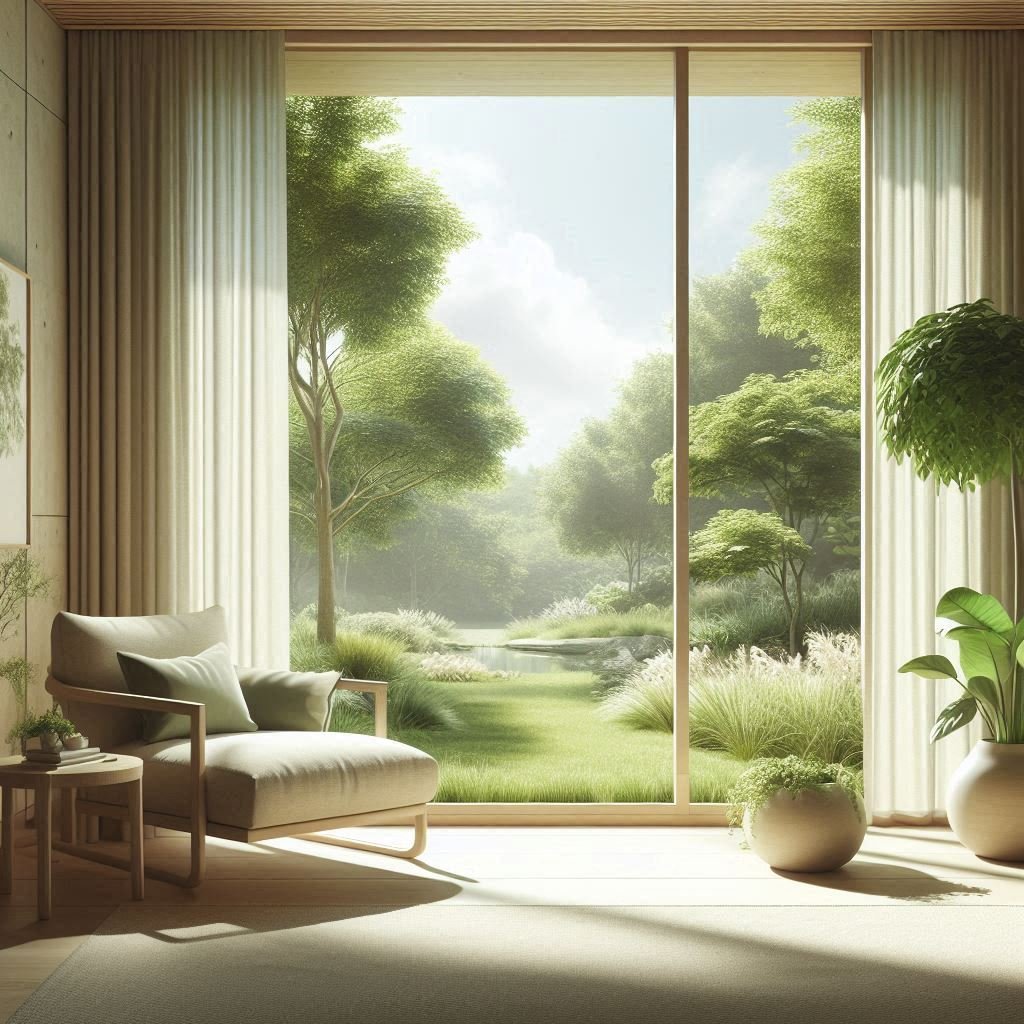
If you can’t bring nature in, try facing your seating toward a garden, tree, or sky view. Visual contact with nature reduces pulse rate, lowers stress, and brings a meditative calmness into your day.
14. Warm Neutral Palettes for Emotional Stability
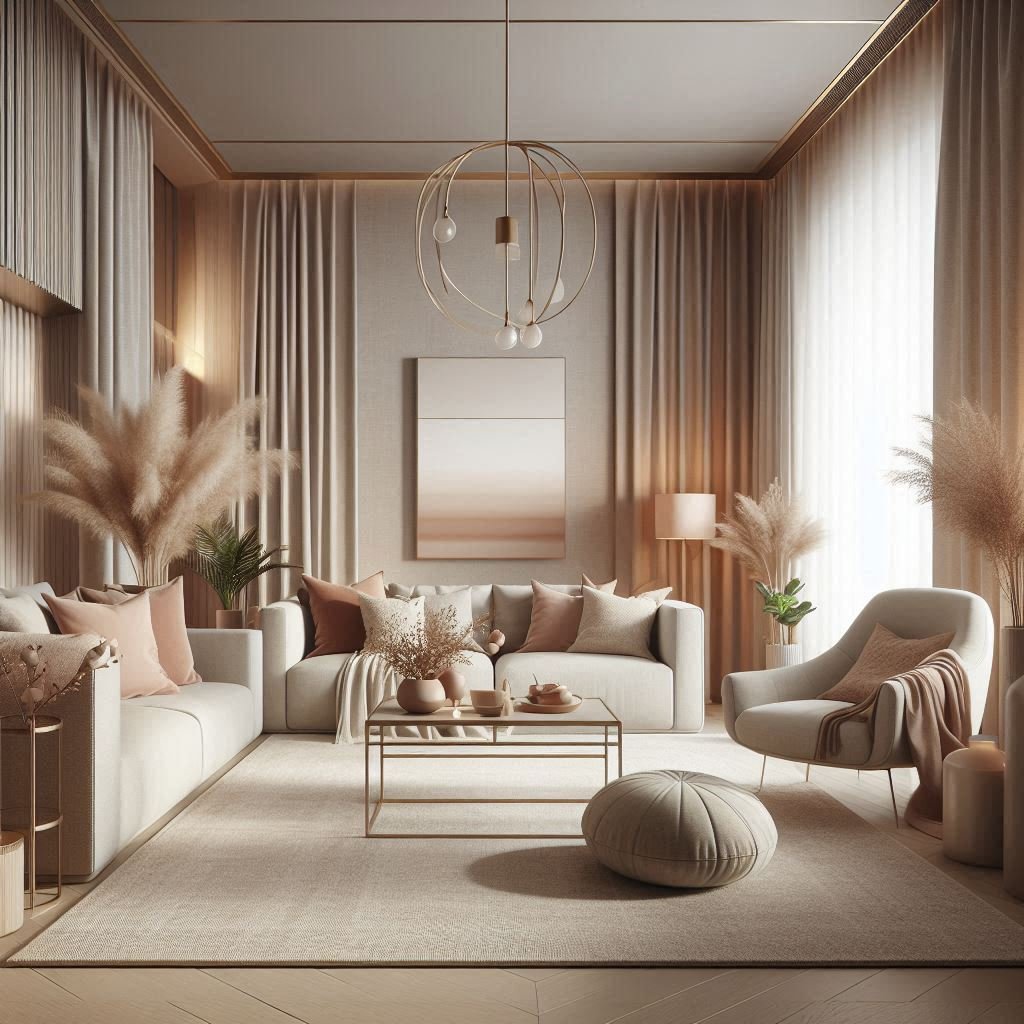
Greige (gray + beige), warm taupes, and dusty rose tones are trending because they bring a sense of stability. These subtle tones make spaces feel safe, grounded, and emotionally secure.
15. Multi-Functional Furniture Reduces Stress
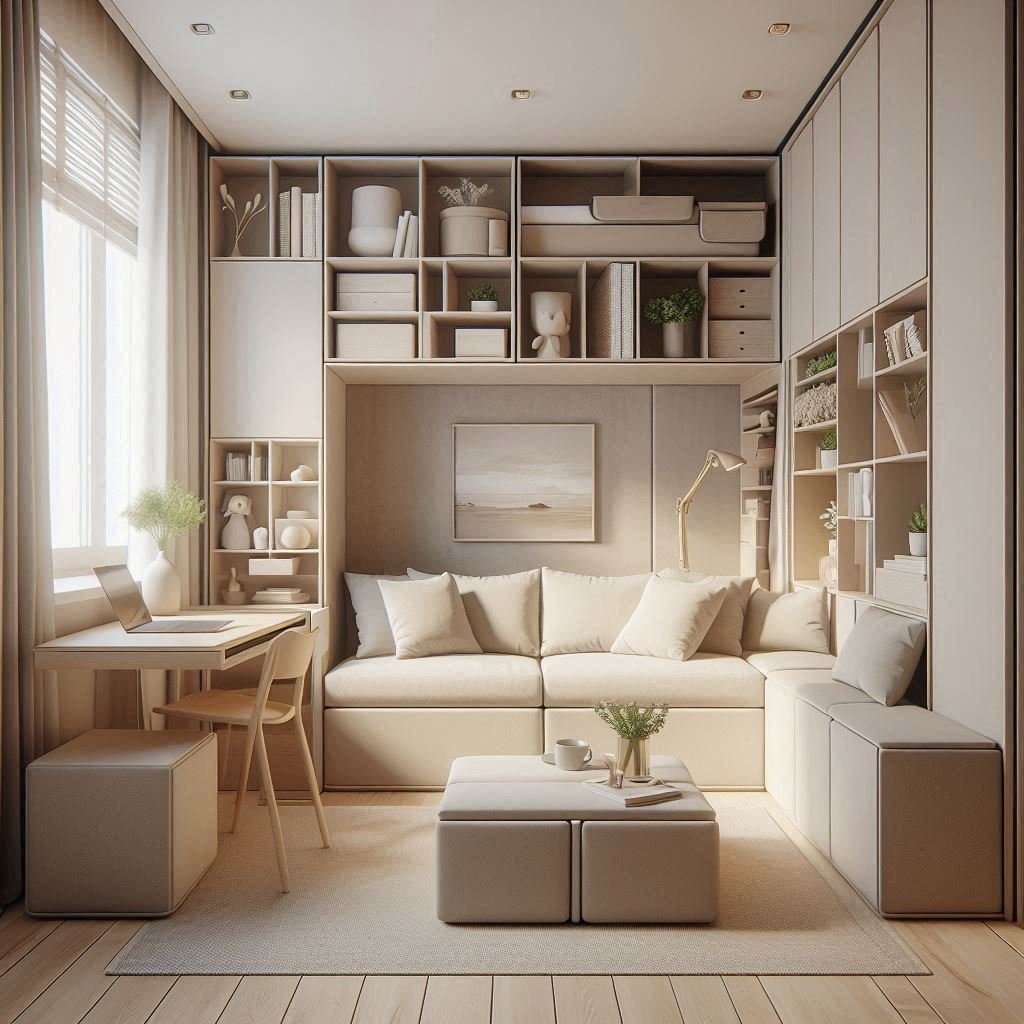
Less clutter, more function. Foldable desks, storage ottomans, and modular sofas create balance in small spaces. You’re more likely to feel emotionally relaxed in a room that adapts to your needs without being overstuffed.
16. Visual Symmetry Promotes Calm
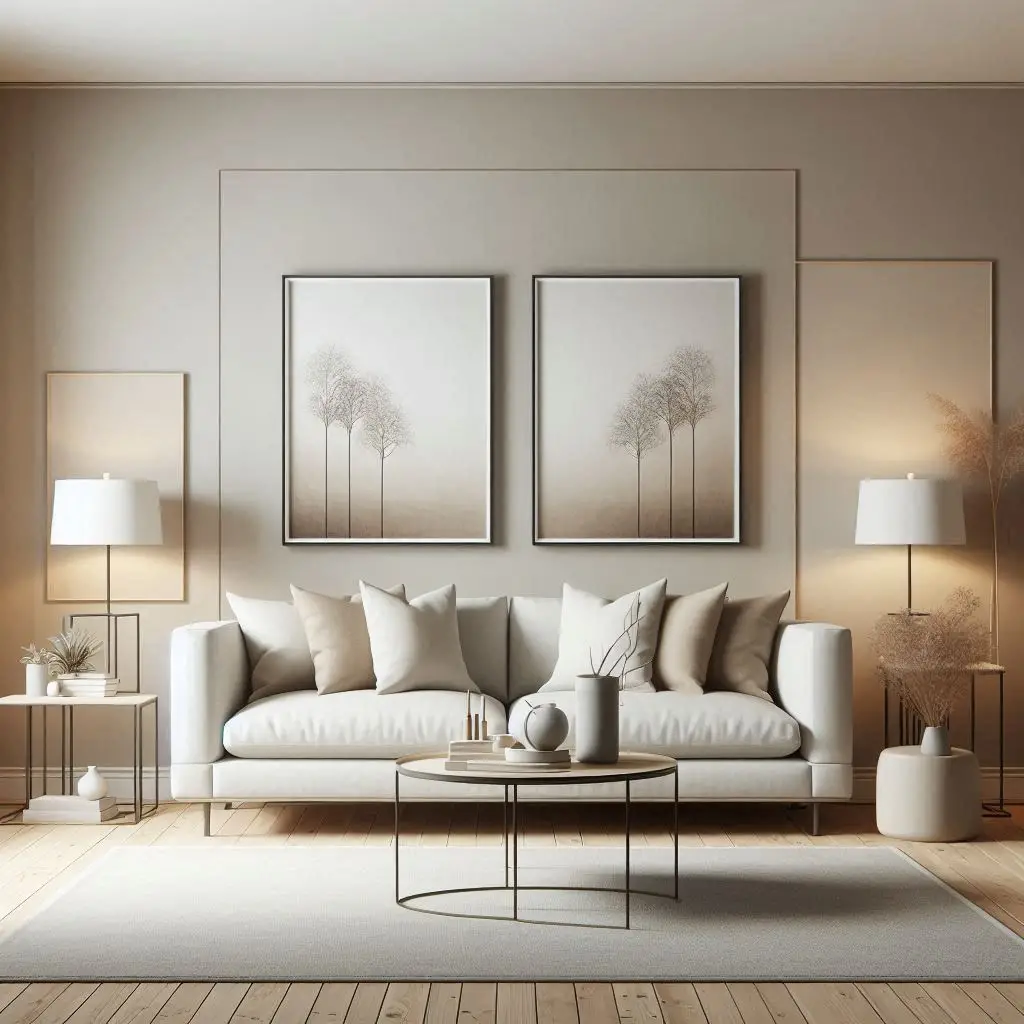
When items in a room are visually balanced (like two lamps on both sides of a sofa), your brain feels “in order.” Symmetrical interiors give a psychological sense of control, which is especially comforting during stressful periods.
17. Art That Evokes Positive Emotion
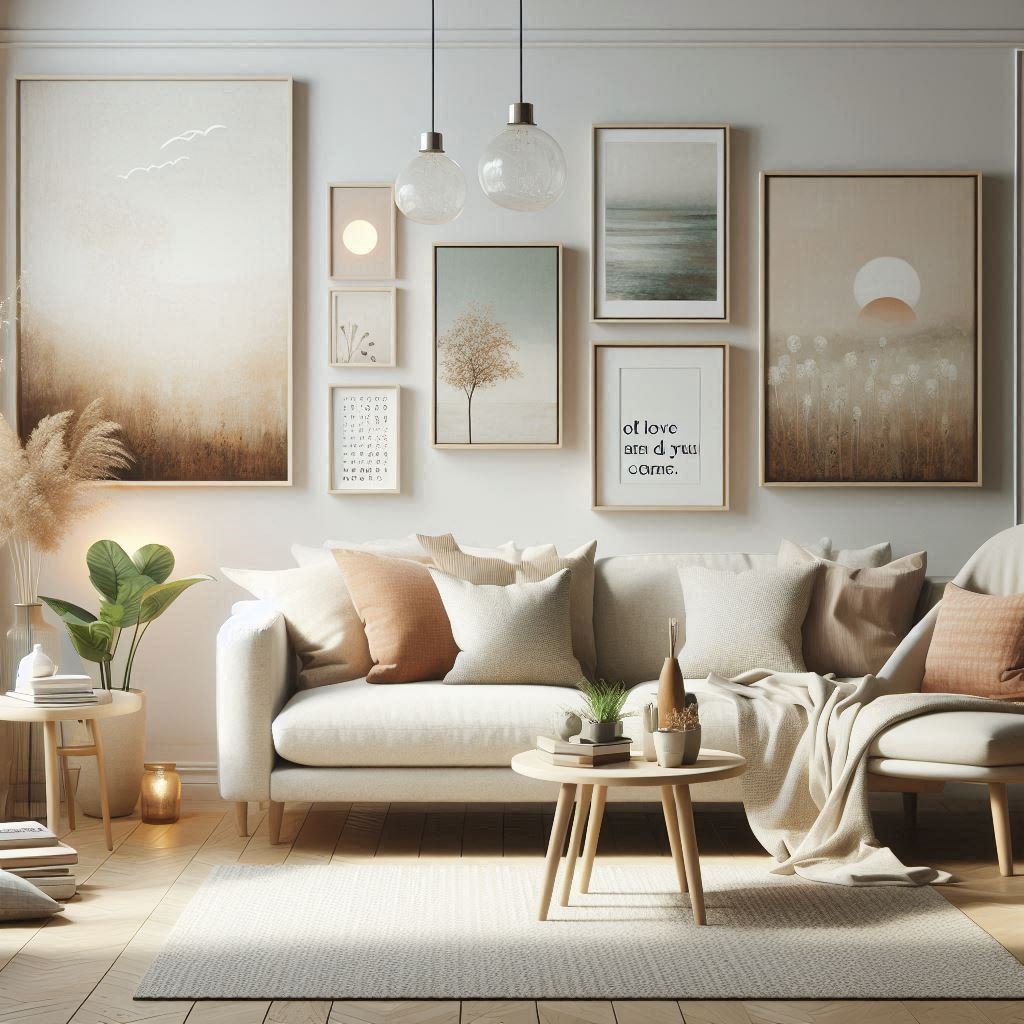
Abstract paintings, calming landscapes, or meaningful quotes can uplift your emotional state. What you hang on your walls speaks to your mind — choose artwork that feels like visual therapy.
18. Soft Lighting Zones for Evening Wind-Down
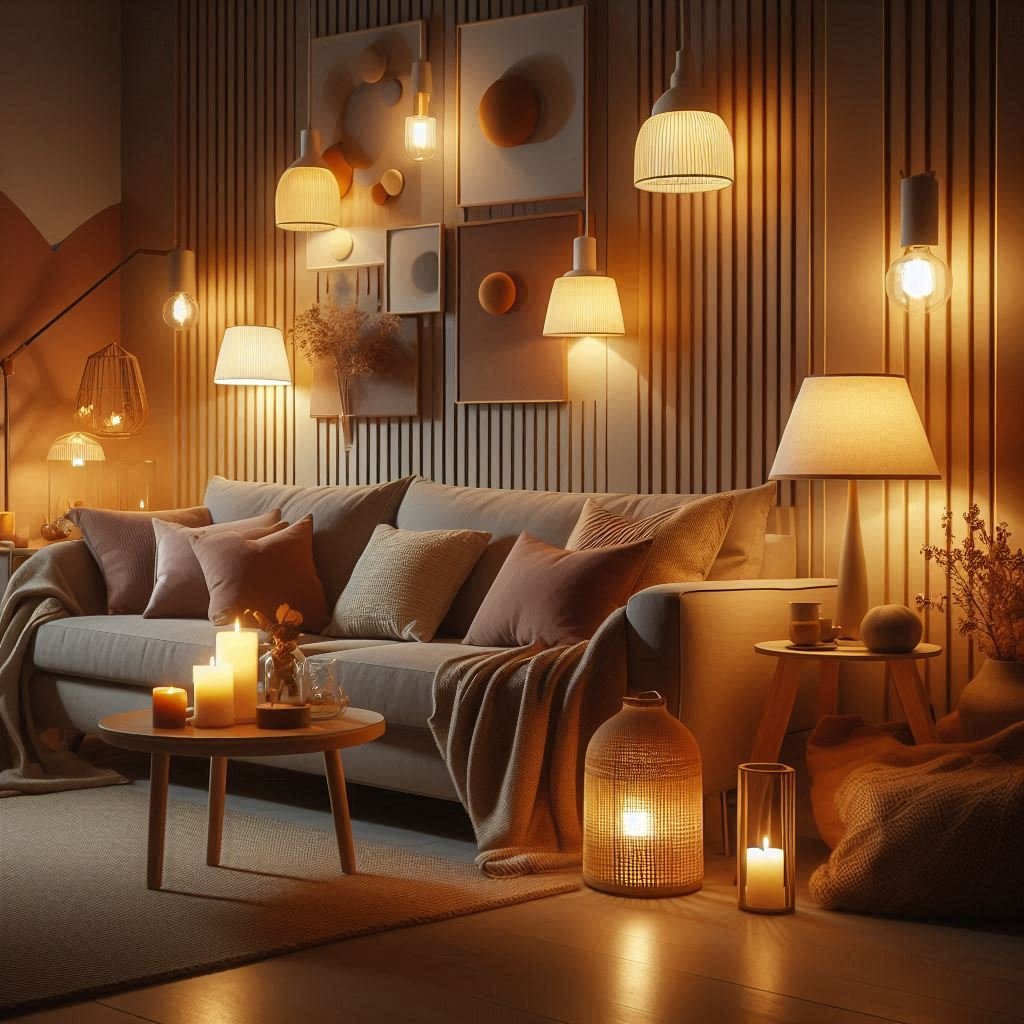
Instead of bright ceiling lights, use table lamps and wall sconces in the evening. These lighting layers help your brain transition from activity to rest — syncing with your natural circadian rhythm.
19. Texture Layering to Soothe Senses
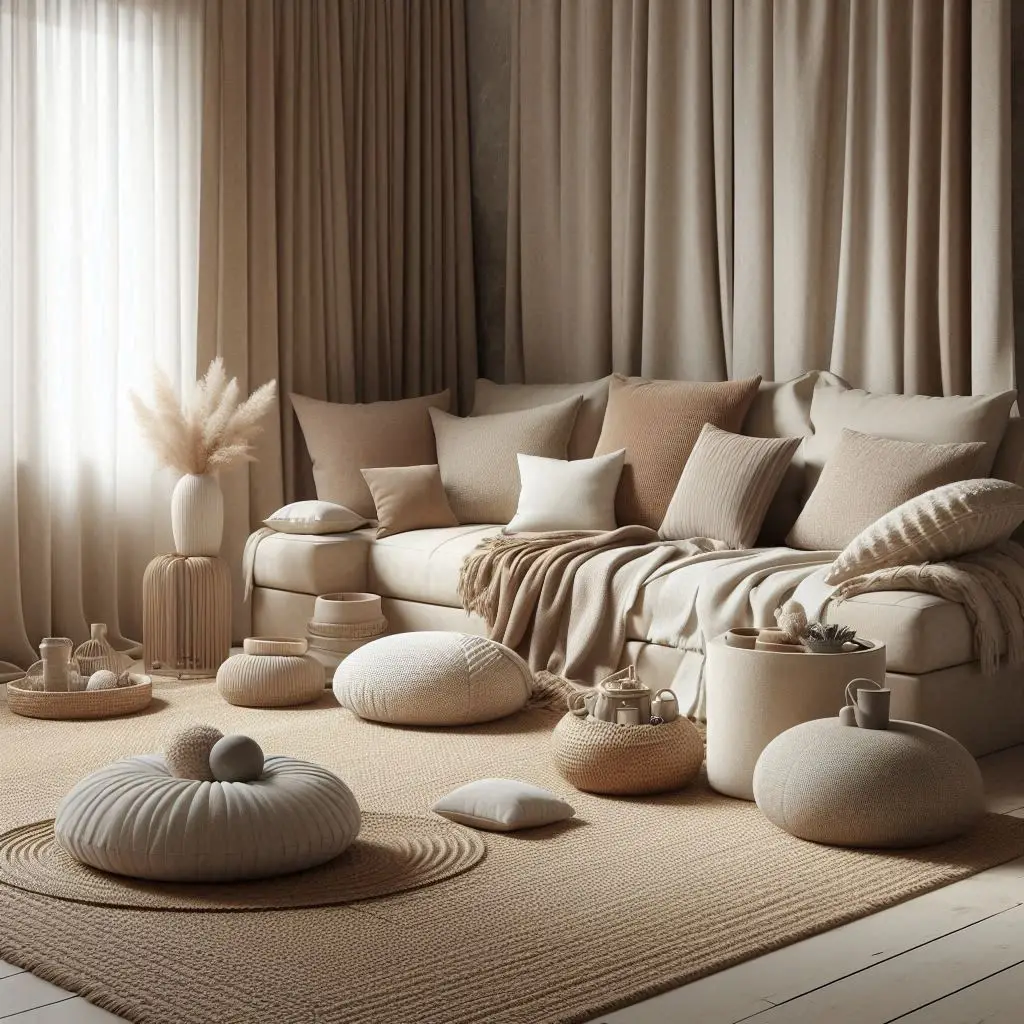
Combining smooth, rough, and soft textures gives a tactile richness that your senses enjoy. Linen curtains + jute rugs + velvet cushions create a cozy cocoon — perfect for mental peace.
20. Interior Design as Daily Therapy
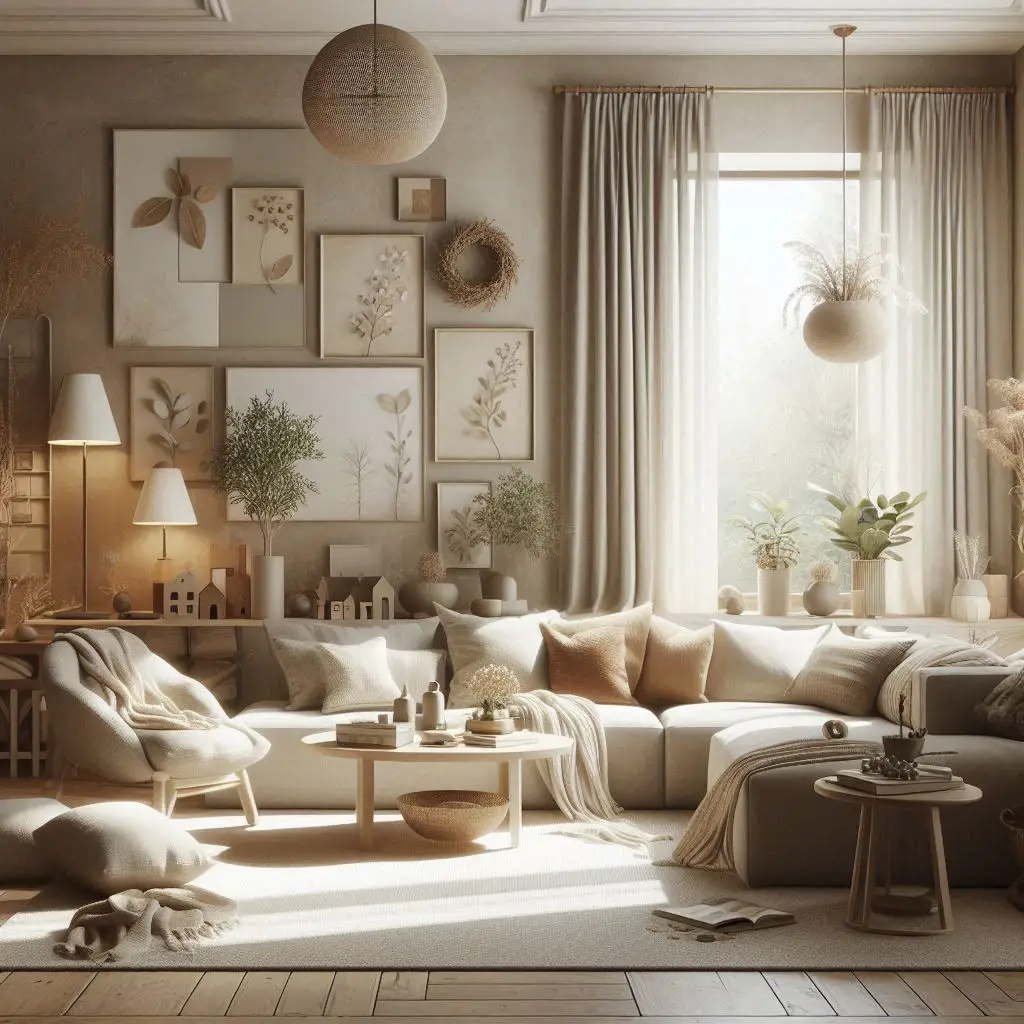
At the end of the day, the way your space feels affects how you feel. Trends now focus on intentional design — every corner should support mental clarity, healing, and joy. Think of your home not just as a shelter, but as your silent therapist.
