
How to Style a Living Room Like a Pro (Without the Price Tag)
A professionally styled living room isn’t about expensive furniture or designer labels—it’s about intention. Designers focus on balance, flow, texture, and editing long before they think about price.
The good news? You can style your living room like a pro without spending a fortune. You just need the right approach.
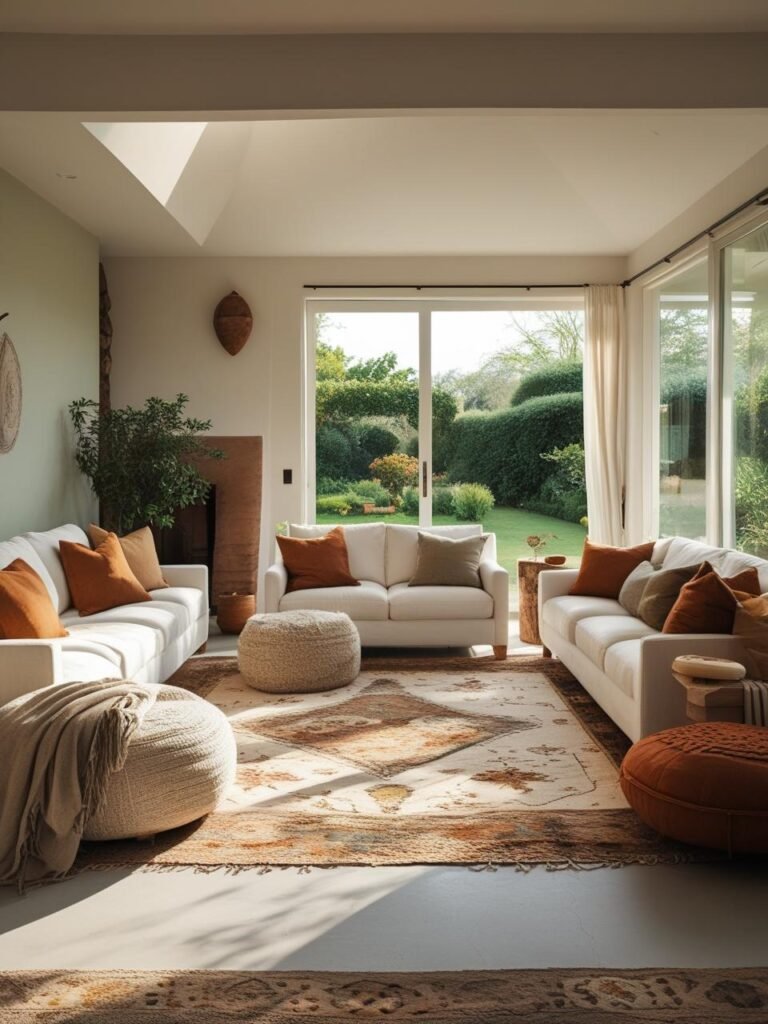
Start With a Focal Point
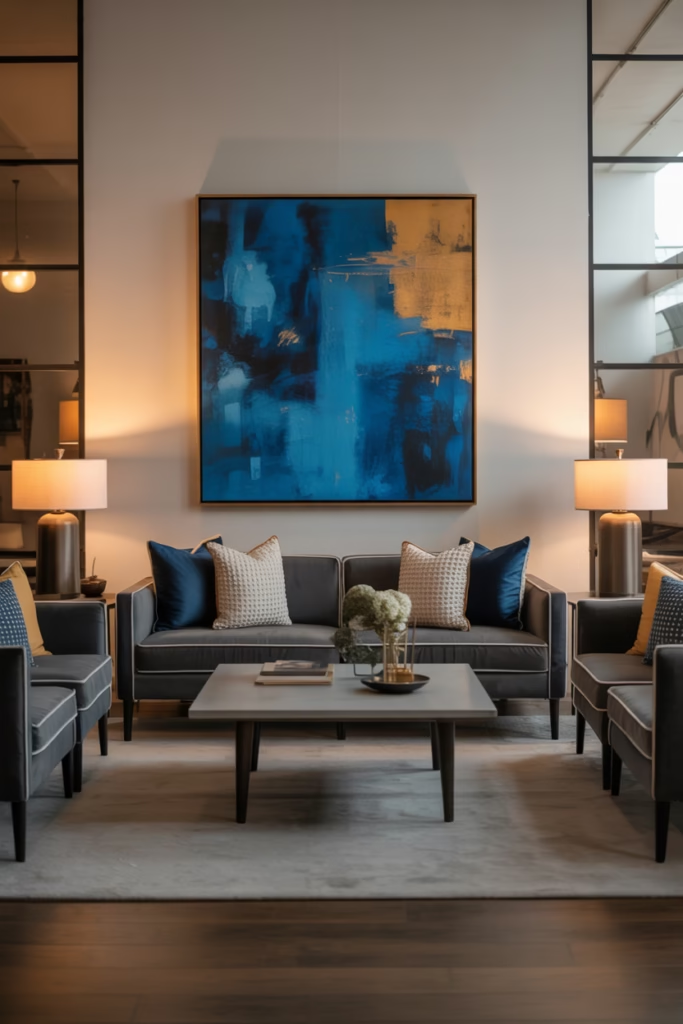
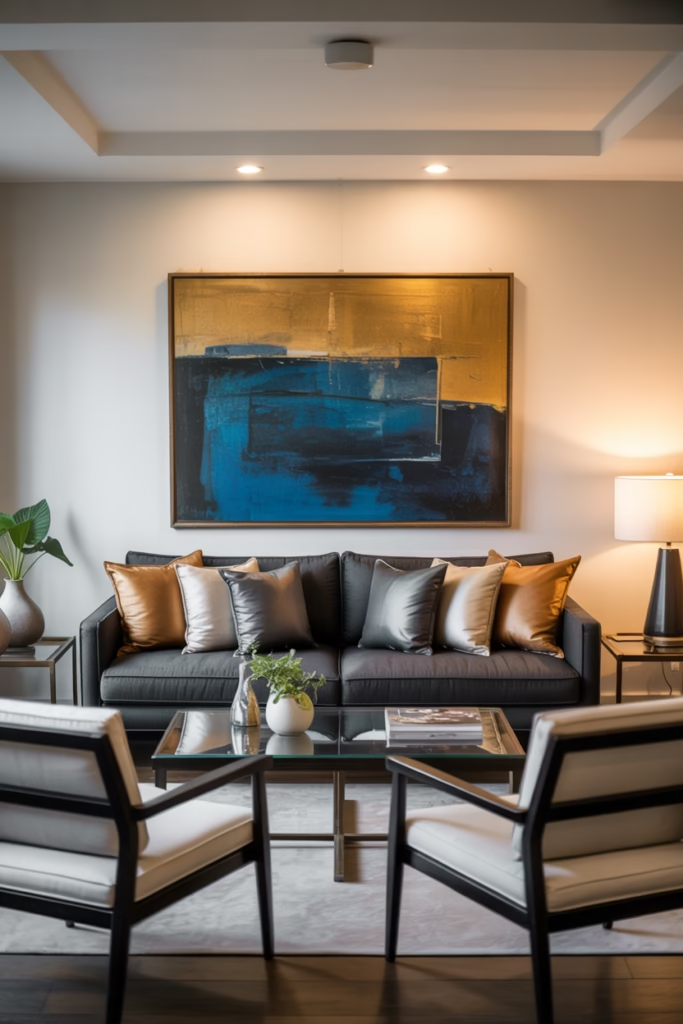
Every well-styled living room has one clear focal point.
Common focal points include:
- A sofa
- A fireplace
- A large piece of artwork
- A media wall or window view
Once you identify the focal point, arrange everything else to support it. This instantly makes the room feel organized and intentional.
Pro tip:
If your room doesn’t have a natural focal point, create one with art or lighting.
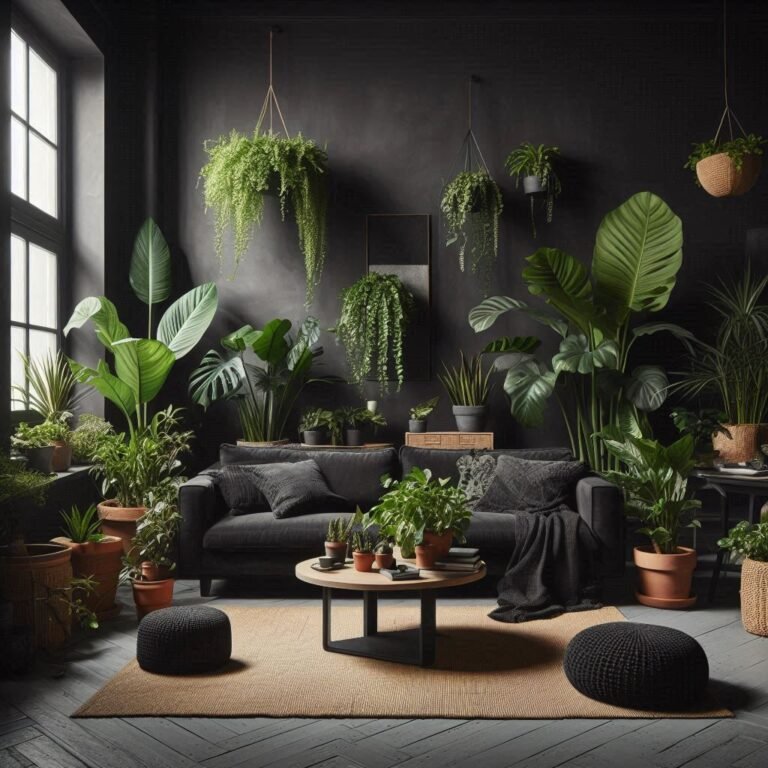
Balance, But Don’t Overmatch
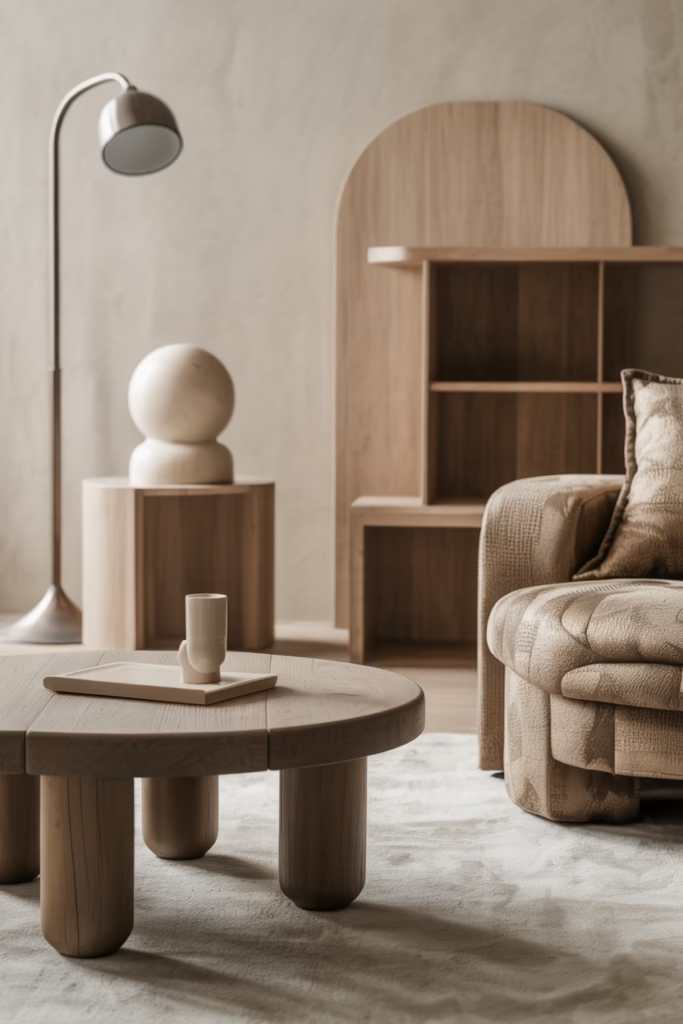
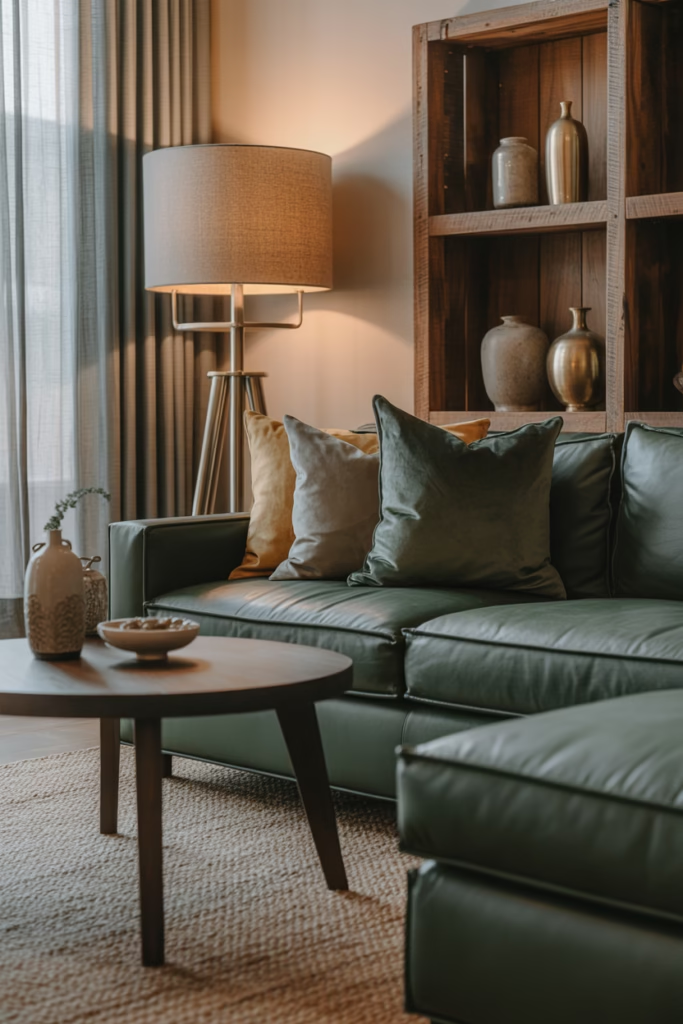
One of the biggest styling mistakes is matching everything too perfectly.
Instead of matching sets:
- Mix materials (wood, metal, fabric)
- Vary shapes (round tables with boxy sofas)
- Use different finishes within the same color family
Balance comes from contrast—not duplication. That’s what gives rooms depth and personality.
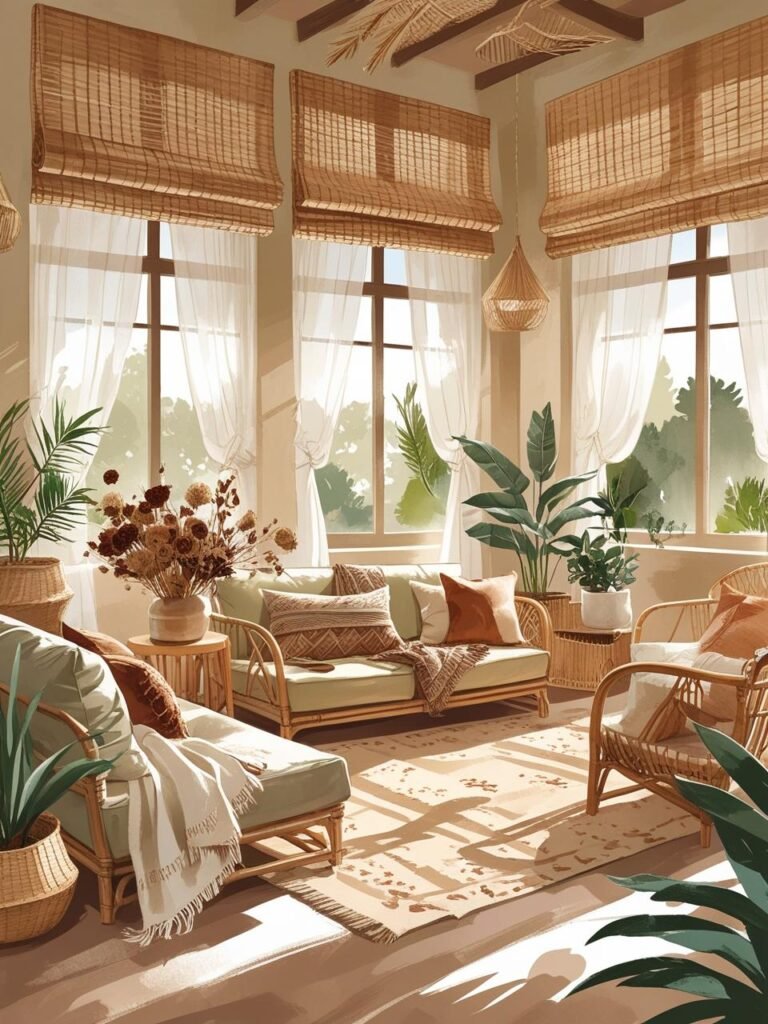
Layer Textures Like a Stylist
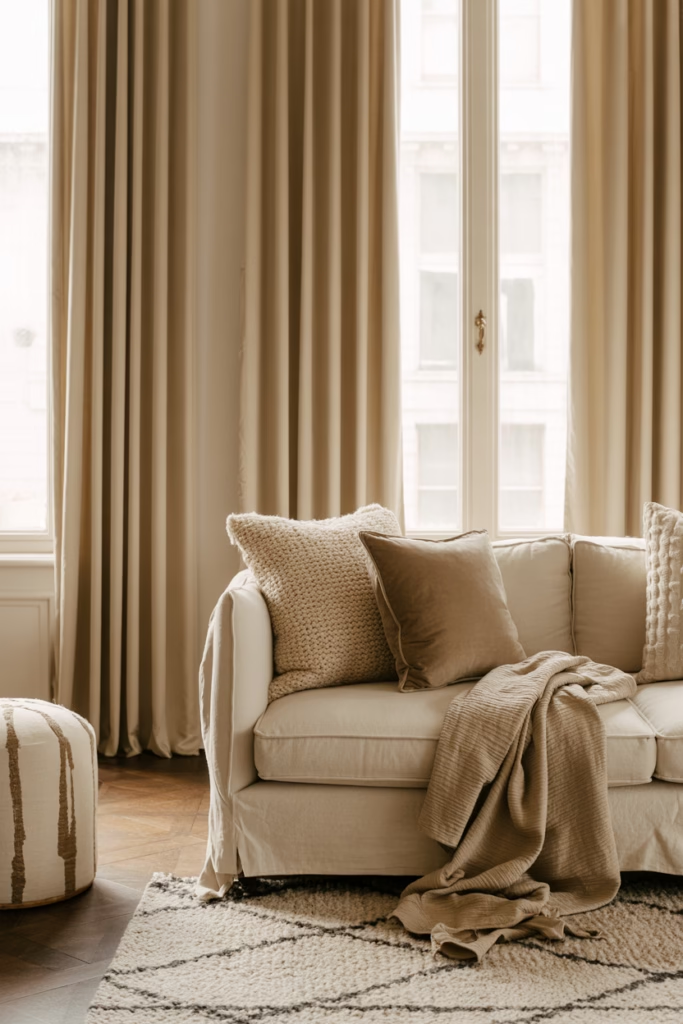
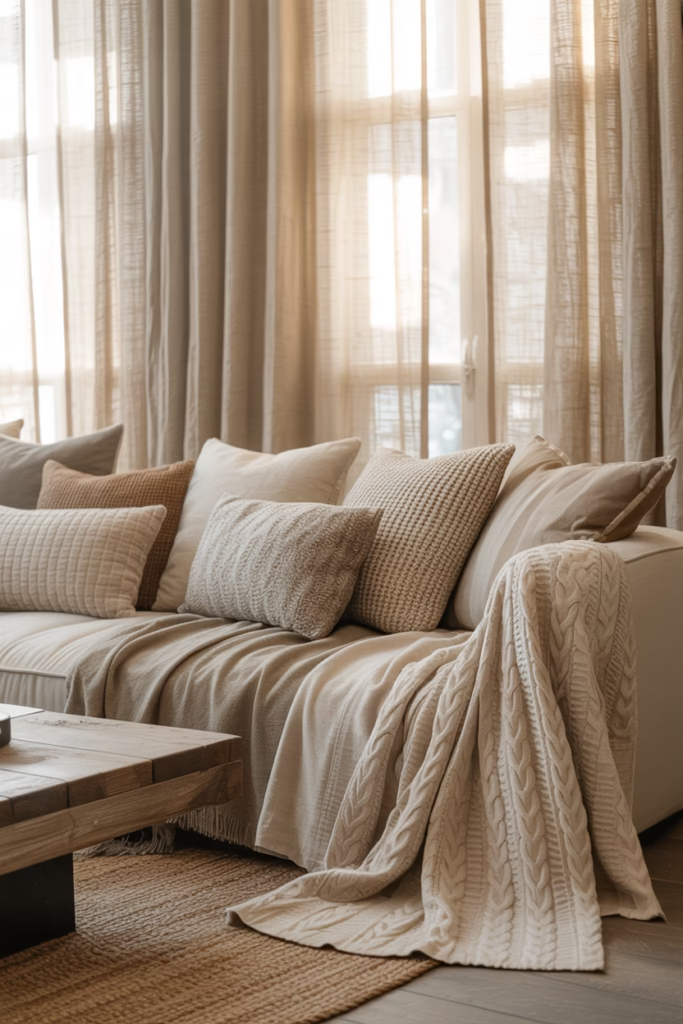
Texture is what separates a “nice” room from a designer-looking one.
Layer in:
- Cushions in different fabrics
- Throws with visible texture
- Rugs that add softness
- Curtains that frame the space
Even when the color palette is neutral, texture keeps the room from feeling flat or boring.
Build a Cohesive Color Story
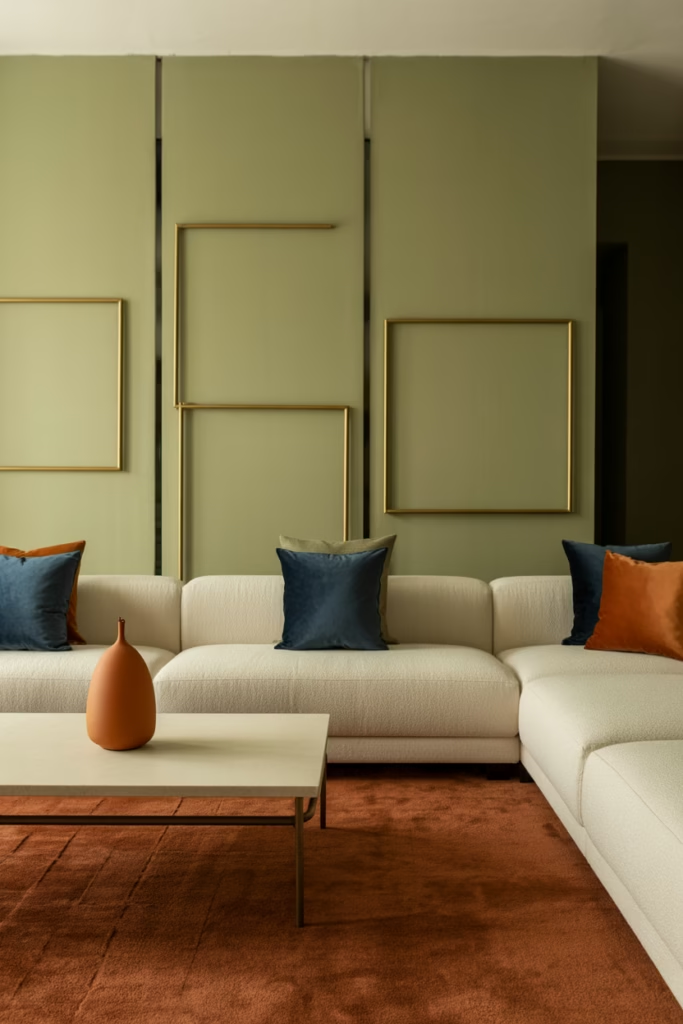
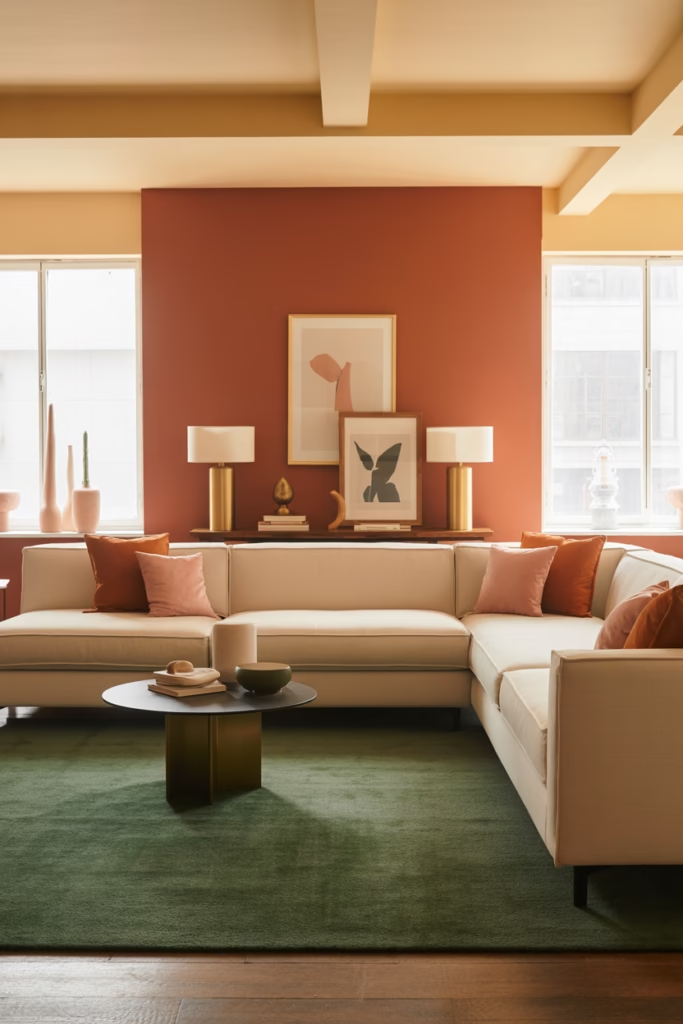
Professional spaces don’t use random colors—they tell a story.
A simple rule:
- 1 main color (walls or sofa)
- 1 supporting color (rug, curtains)
- 1–2 accent colors (pillows, decor)
Stick to the same undertone family (warm or cool) to keep everything cohesive.
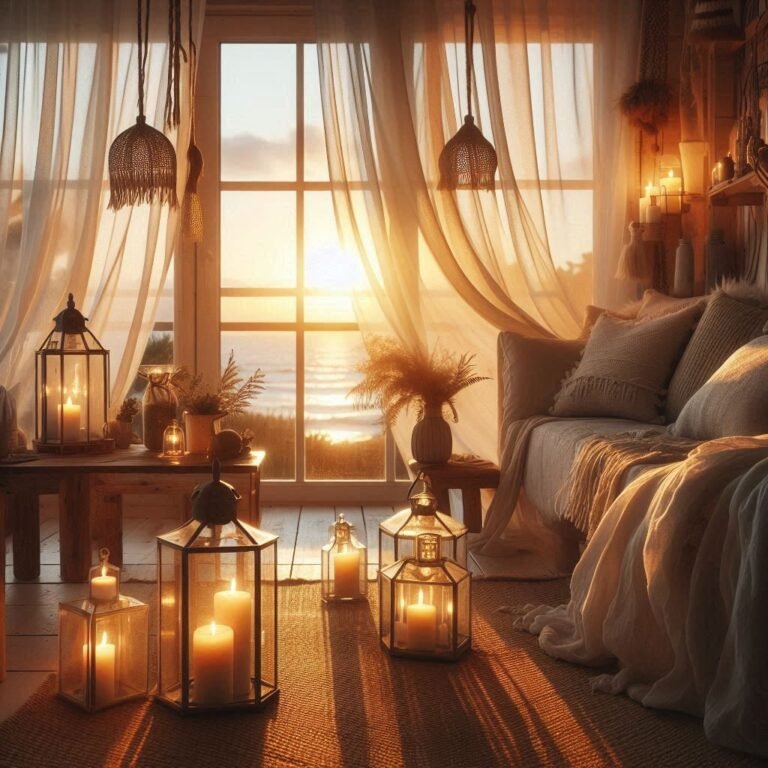
Light It Like a Designer
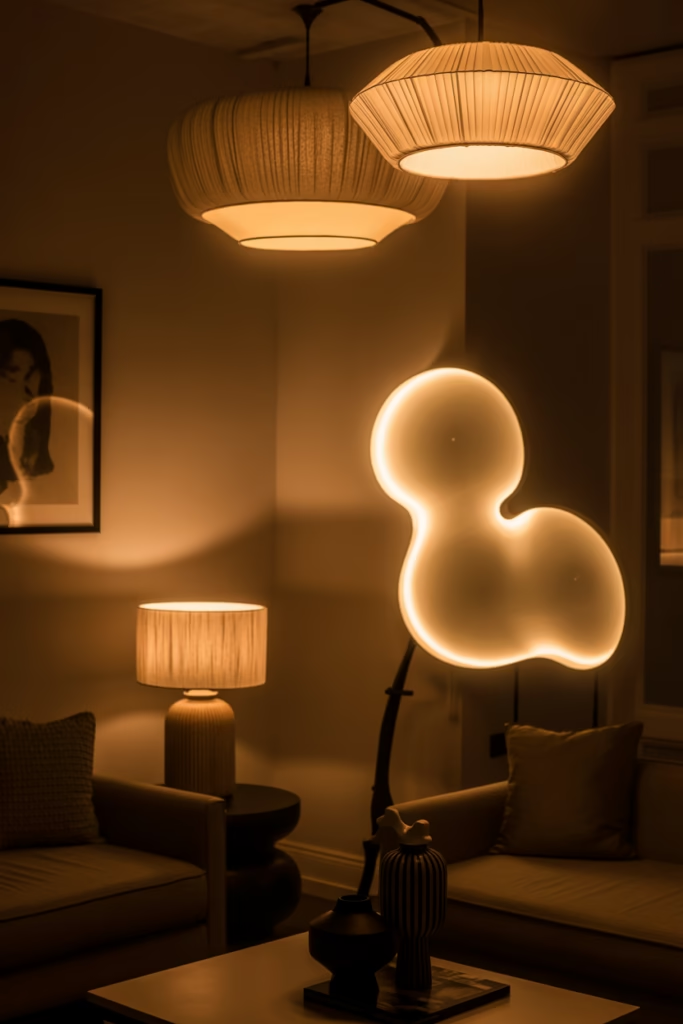
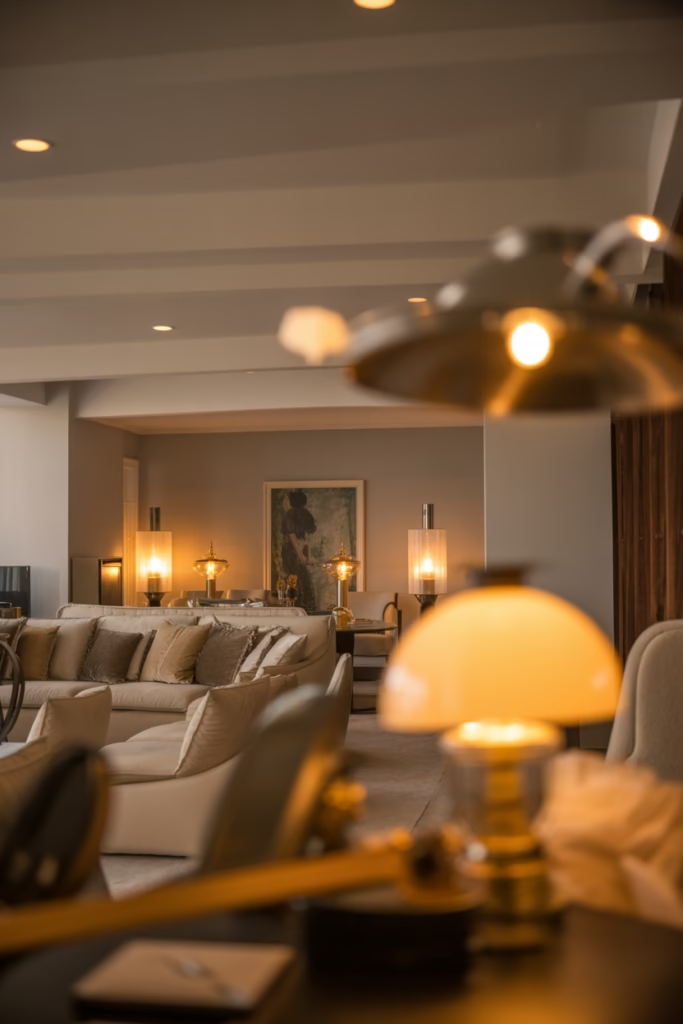
Lighting is one of the most overlooked elements in living room styling.
Designers layer light:
- Overhead lighting for general use
- Table or floor lamps for warmth
- Accent lighting for mood
Always use warm bulbs. A softly lit room feels more expensive and inviting—even with budget furniture.
Edit, Then Add Personality
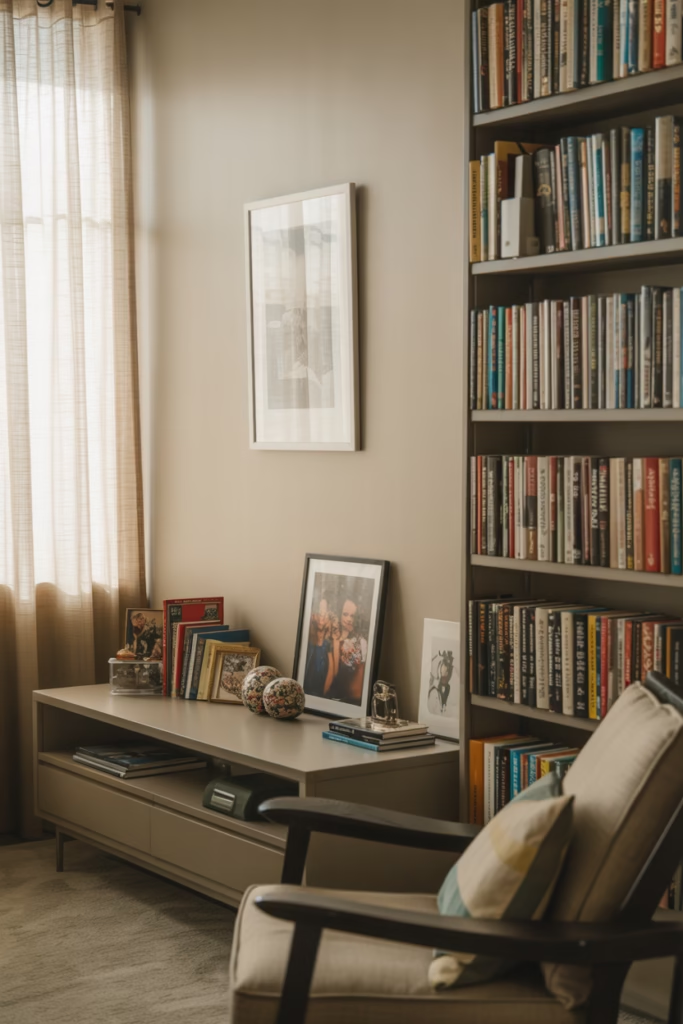
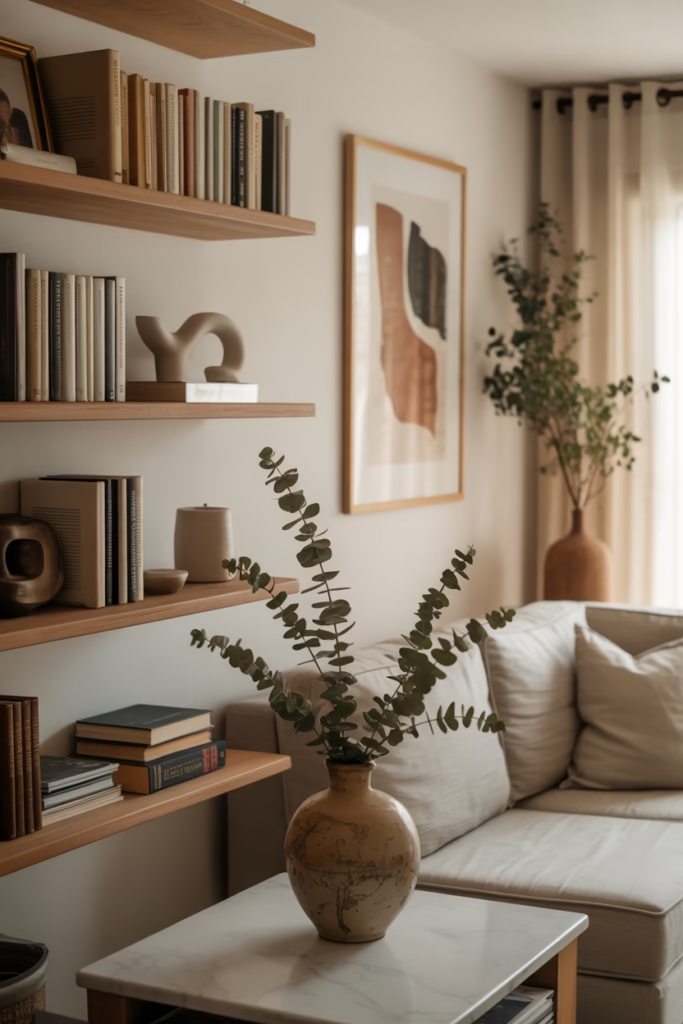
Before adding decor, edit what’s already there.
Ask yourself:
- Does this serve a purpose?
- Does it add beauty or meaning?
- Is the room feeling crowded?
Once edited, add personality:
- Books you love
- Art with meaning
- Objects collected over time
This is what makes a space feel styled—not staged.
Why It Matters
Styling isn’t about impressing others—it’s about creating a space that feels good to live in.
A well-styled living room:
- Feels calm and welcoming
- Functions better day to day
- Looks intentional, not cluttered
- Reflects you, not a showroom
And none of that requires a big budget.
FAQs on Living Room Styling
Do I need to buy new furniture to style my living room?
No. Rearranging, editing, and layering often make a bigger impact than new purchases.
How many pillows are too many?
Enough to feel cozy, not crowded—usually 2–5 depending on sofa size.
Can small living rooms be styled like this?
Absolutely. These principles work especially well in small spaces.
Is neutral always better?
Not always—but cohesive always is.
Closing Thoughts
Styling a living room like a pro isn’t about spending more—it’s about seeing your space differently. When you focus on focal points, balance, texture, lighting, and intentional choices, your living room naturally starts to feel polished and put together.
Good design isn’t expensive.
It’s thoughtful.