25 Gorgeous Japanese Living Room Ideas for a Relaxed, Elegant Atmosphere
Japanese interior design is admired around the world for its serene simplicity, timeless elegance, and deep connection with nature. Rooted in principles like wabi-sabi (beauty in imperfection), ma (balance and space), and zen (peaceful presence), Japanese living rooms are havens of relaxation. Whether you’re creating a minimalist apartment space or blending East-meets-West style, these 25 Japanese living room ideas will help you achieve calm, balance, and beauty in your home.
1. Tatami Mat Flooring

Tatami mats are iconic in traditional Japanese homes. Made from rice straw and covered in woven rush grass, they provide a soft, natural floor surface that promotes calm and comfort. Ideal for both traditional and modern Japanese-inspired living rooms, tatami mats can be used wall-to-wall or in a defined section with low furniture.
2. Low Wooden Furniture
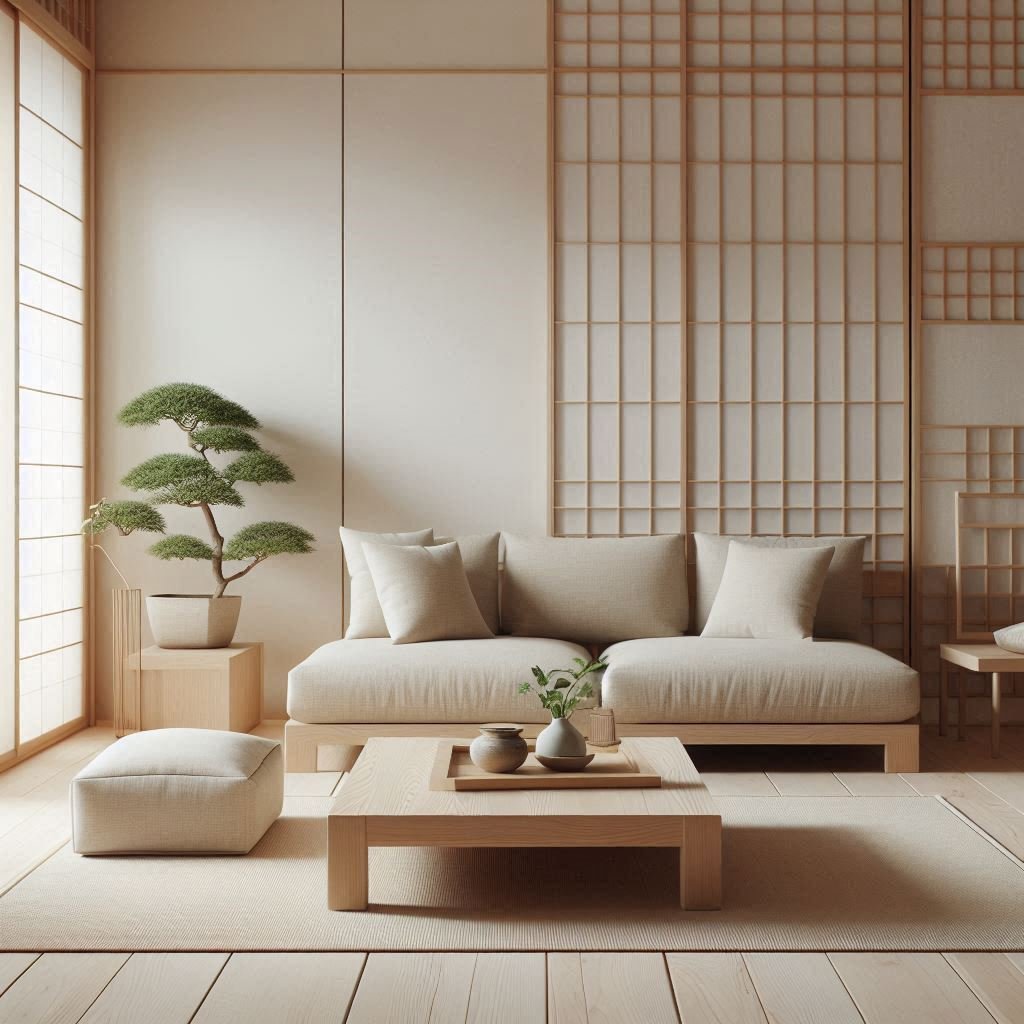
The Japanese style favors floor-level living. Choose a short-legged coffee table or a low wooden platform sofa to reflect this aesthetic. This creates a grounded, intimate feel and opens up vertical space in the room, making it feel larger and more peaceful.
3. Shoji Screens for Soft Lighting
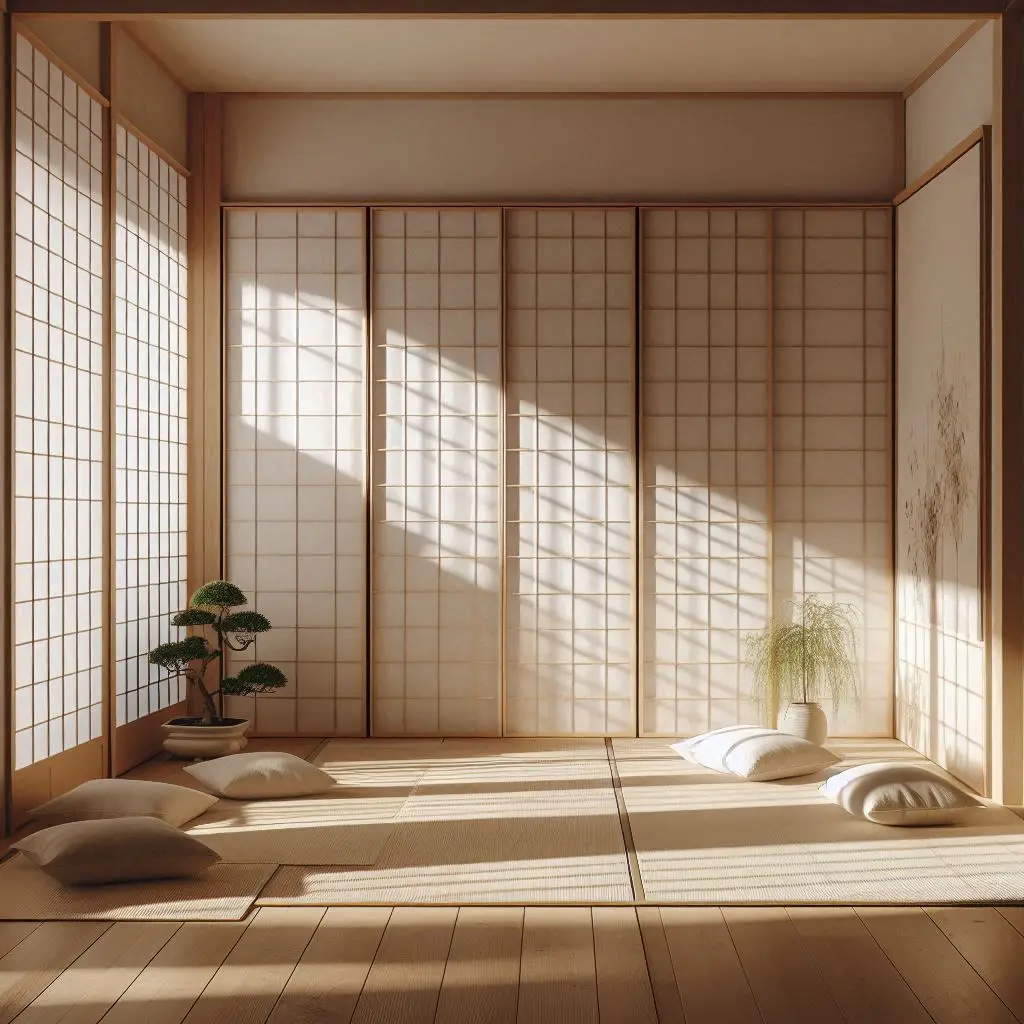
Shoji screens are sliding doors or partitions made with wooden frames and translucent rice paper. They diffuse natural light gently into the space, creating a soft glow that enhances calmness. Use them as room dividers or window panels to keep the look traditional yet airy.
4. Neutral Color Palette
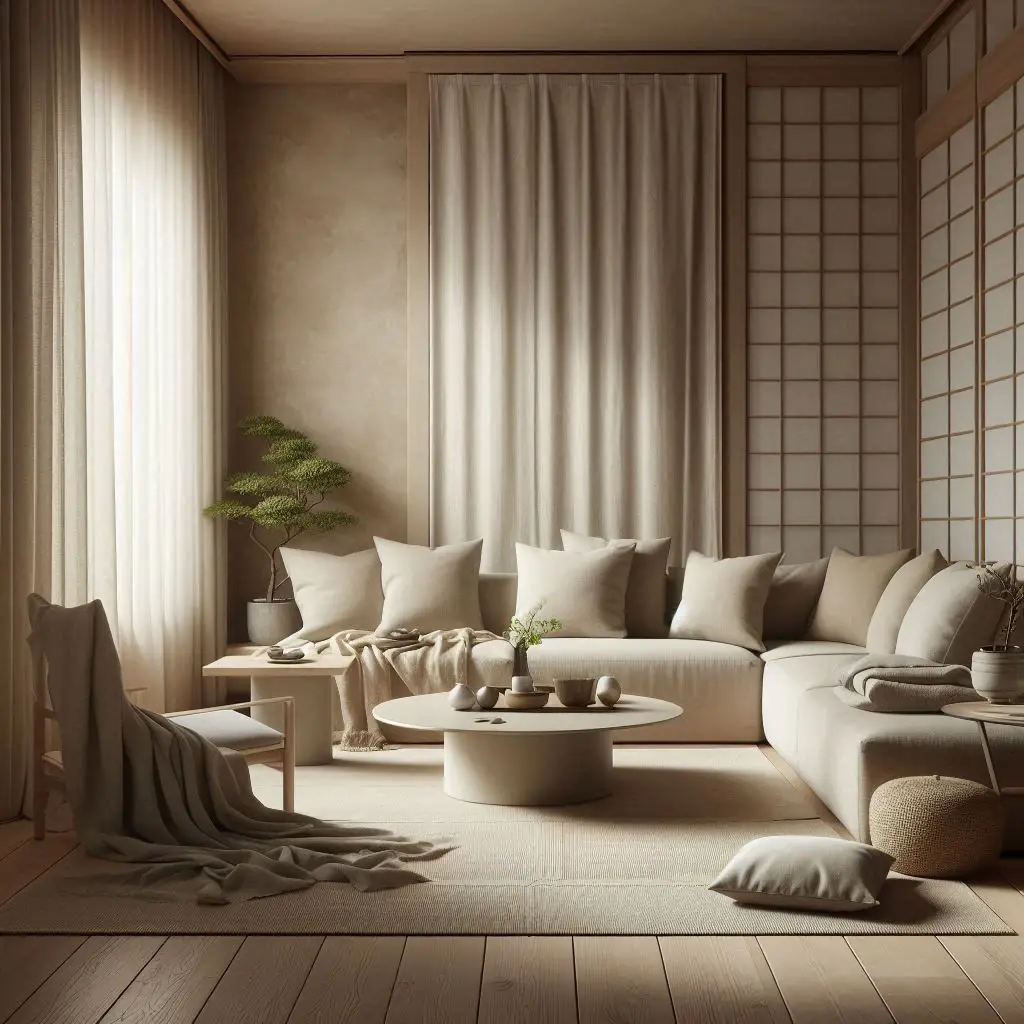
Japanese interiors are known for muted, nature-inspired colors. Think off-white, beige, warm greys, and light wood tones. These colors foster mental clarity and relaxation — ideal for a living room meant for unwinding and connection.
5. Zabuton Floor Cushions
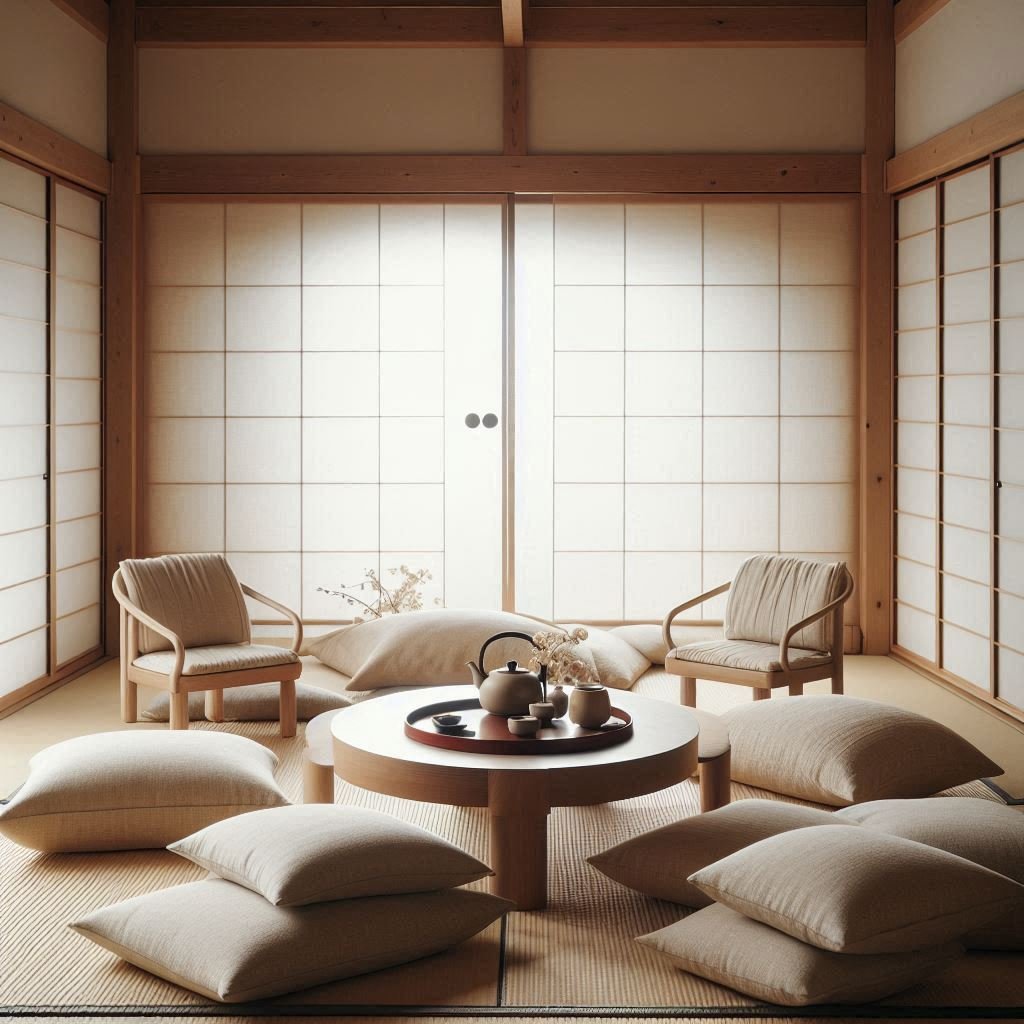
Instead of bulky couches, add zabuton cushions or legless floor chairs (zaisu) to create flexible, comfortable seating. These keep the look minimal and are perfect for small spaces. Pair with a chabudai (short-legged table) for a traditional tea-time setting.
6. Wabi-Sabi Accents
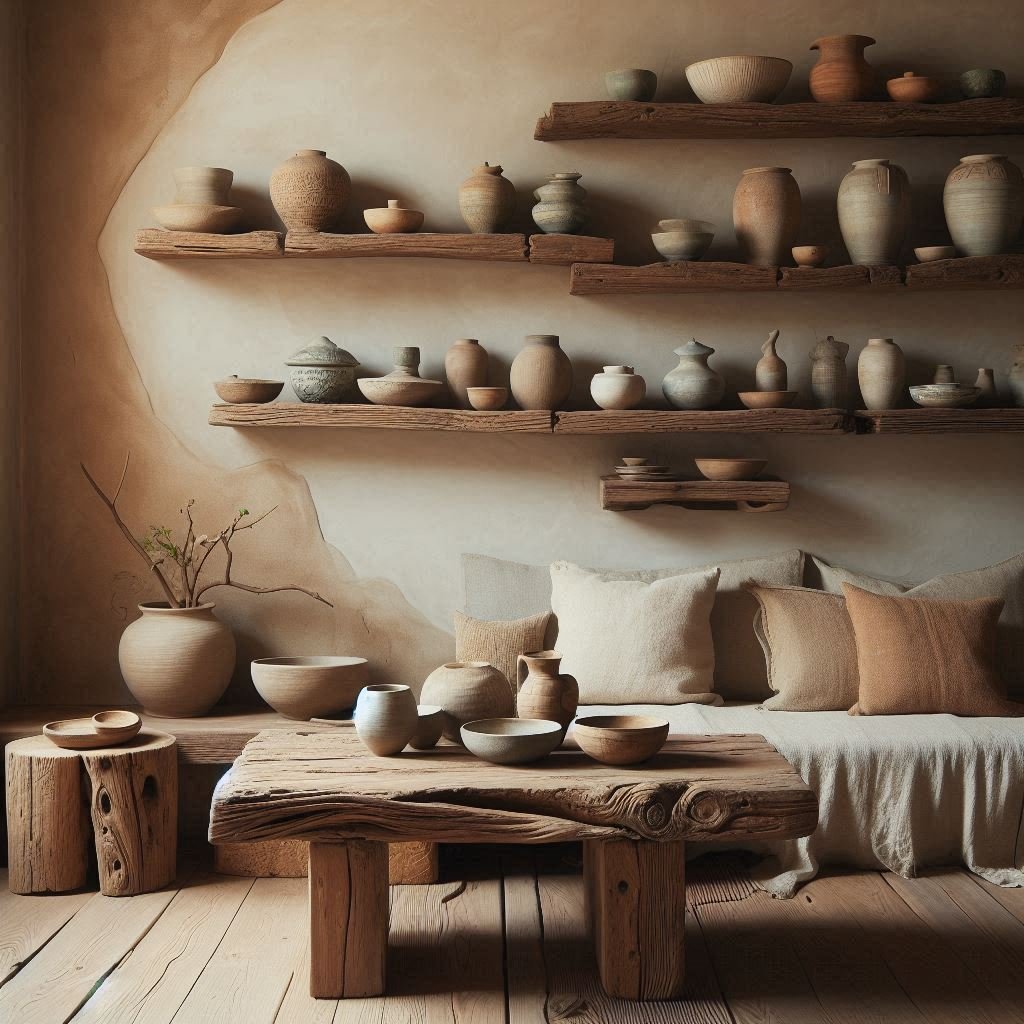
Wabi-sabi is the art of embracing imperfection and natural aging. Add hand-crafted pottery, distressed wood furniture, or uneven plaster walls. These raw, organic textures make the space feel soulful and lived-in without needing too much decor.
7. Mini Zen Garden
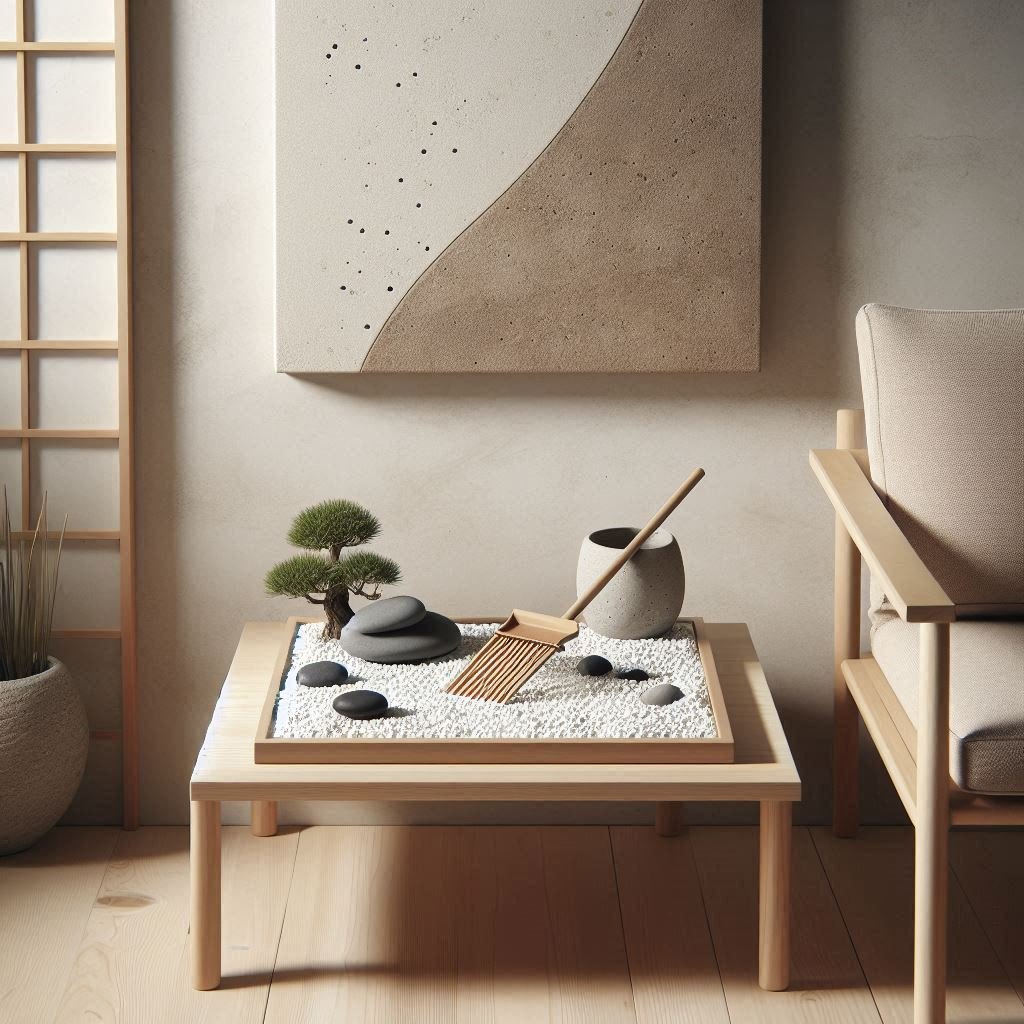
Design a small Zen garden area with white gravel, black stones, a tiny rake, and maybe a bonsai or bamboo plant. Even a small tabletop Zen setup adds a grounding, meditative vibe to your living room.
8. Maximized Natural Light
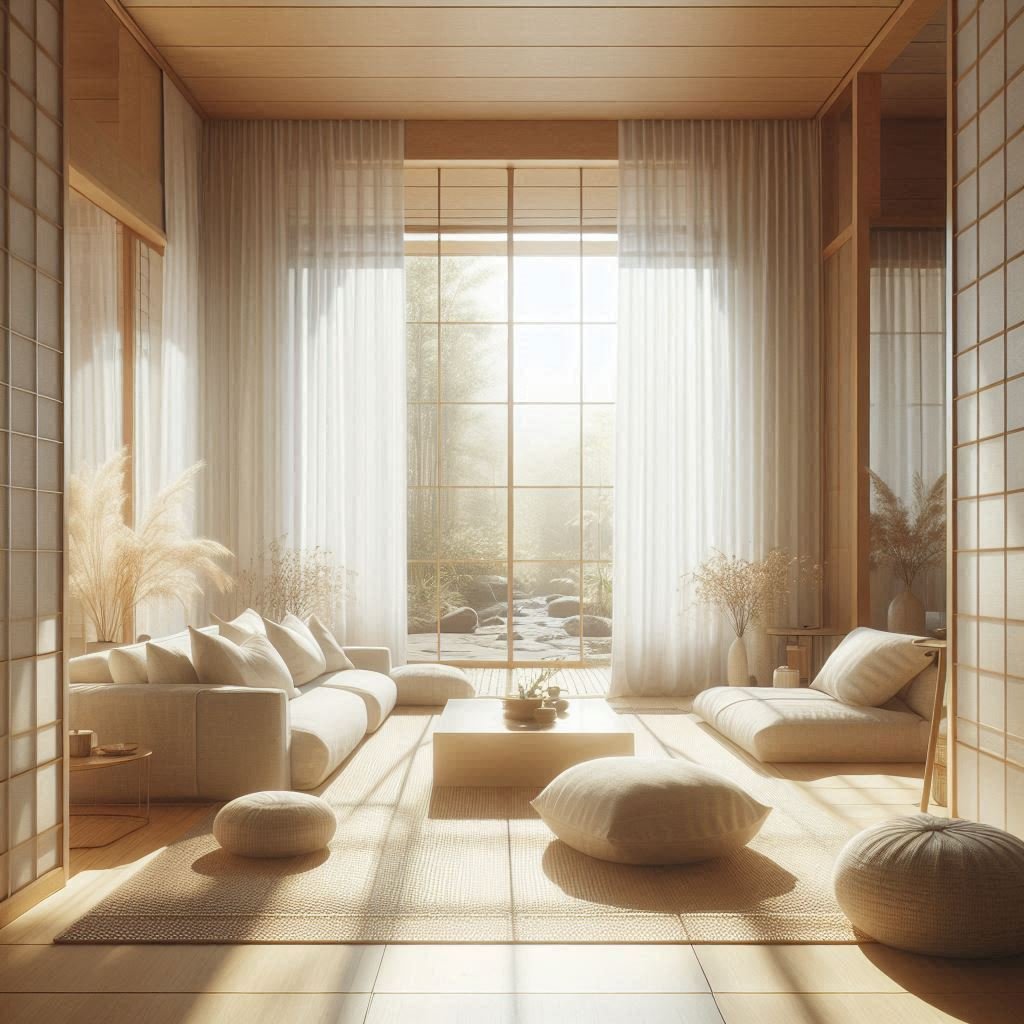
Large, open windows are essential in Japanese homes. Keep curtains sheer or eliminate them entirely to allow daylight to pour in. The natural light energizes the space and highlights textures like wood grain or woven mats beautifully.
9. Indoor Bonsai Trees
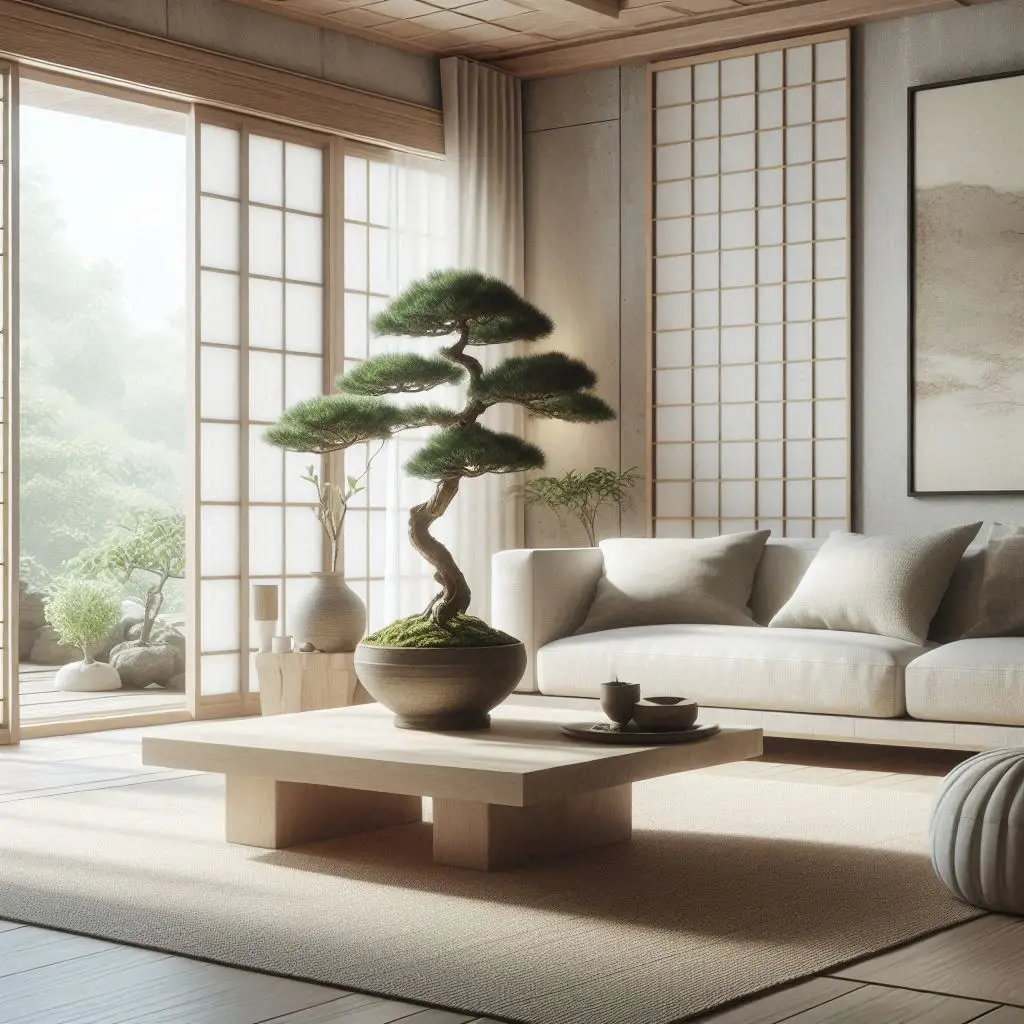
No Japanese room is complete without nature. A bonsai tree offers both aesthetic and symbolic value — representing harmony, patience, and balance. Place it near natural light or as a centerpiece for your coffee table.
10. Minimalist Wall Art
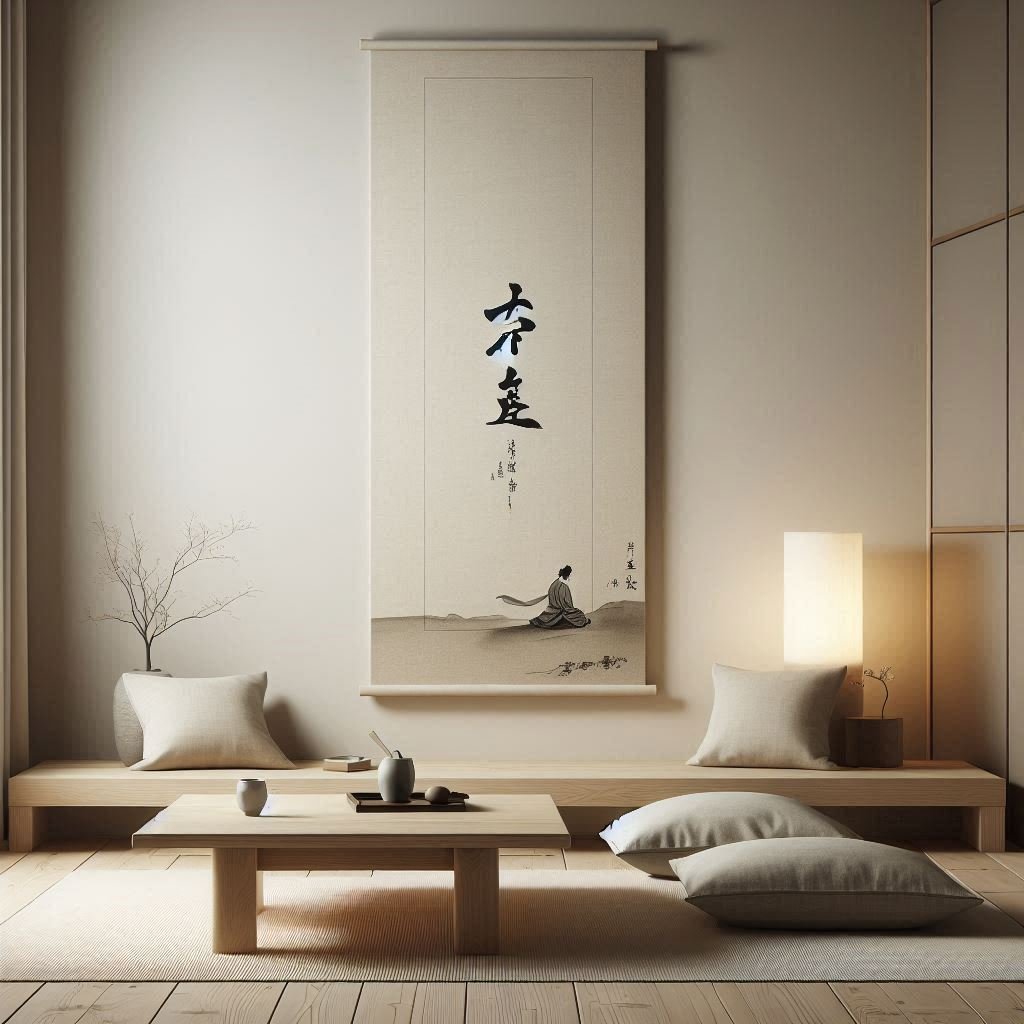
Japanese interiors often leave walls bare, but you can hang a single piece of art for impact. Choose a scroll with calligraphy, a Zen ink painting (sumi-e), or a muted landscape — keep it simple and purposeful.
11. Tokonoma Alcove Display
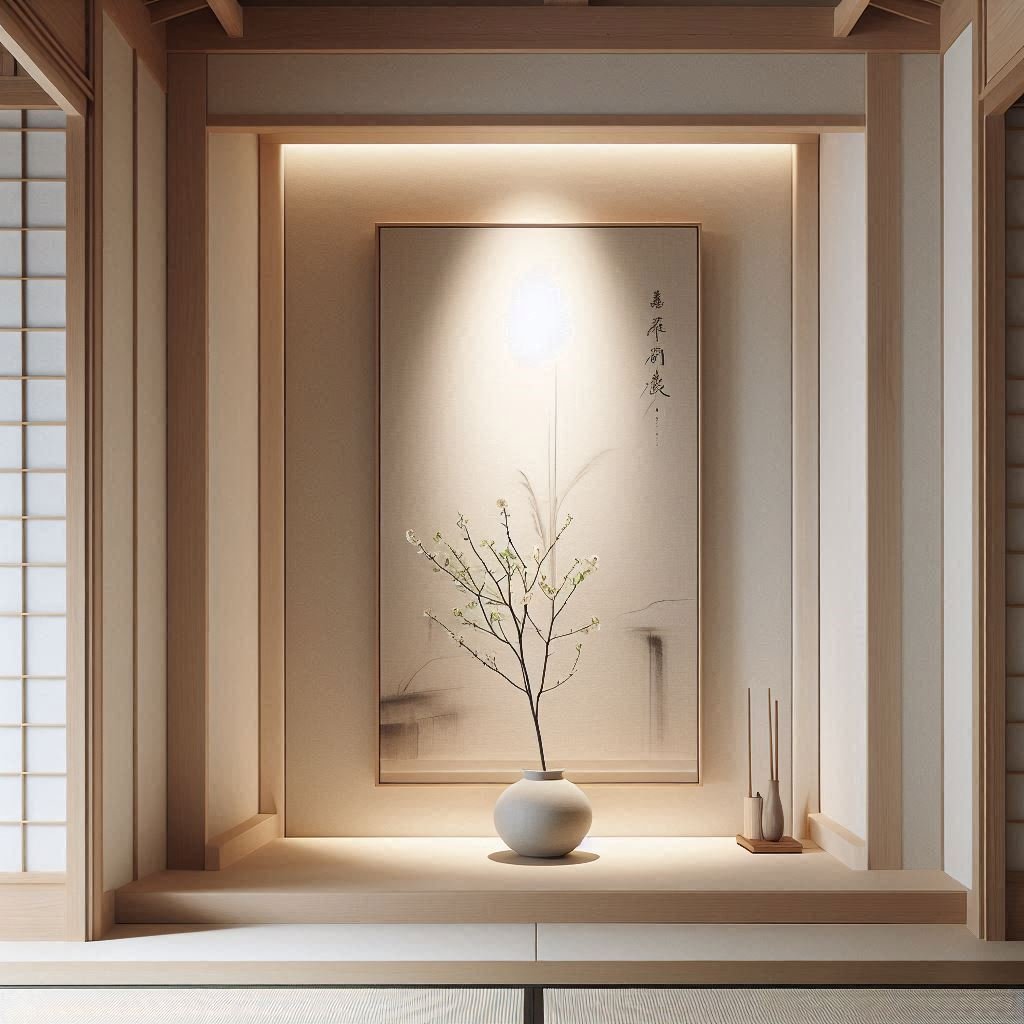
In traditional Japanese rooms, a tokonoma is a shallow built-in space for displaying art or seasonal flowers. You can recreate this with a small niche or wall shelf to display a vase, scroll, or sculpture that reflects mindfulness.
12. Exposed Natural Wood
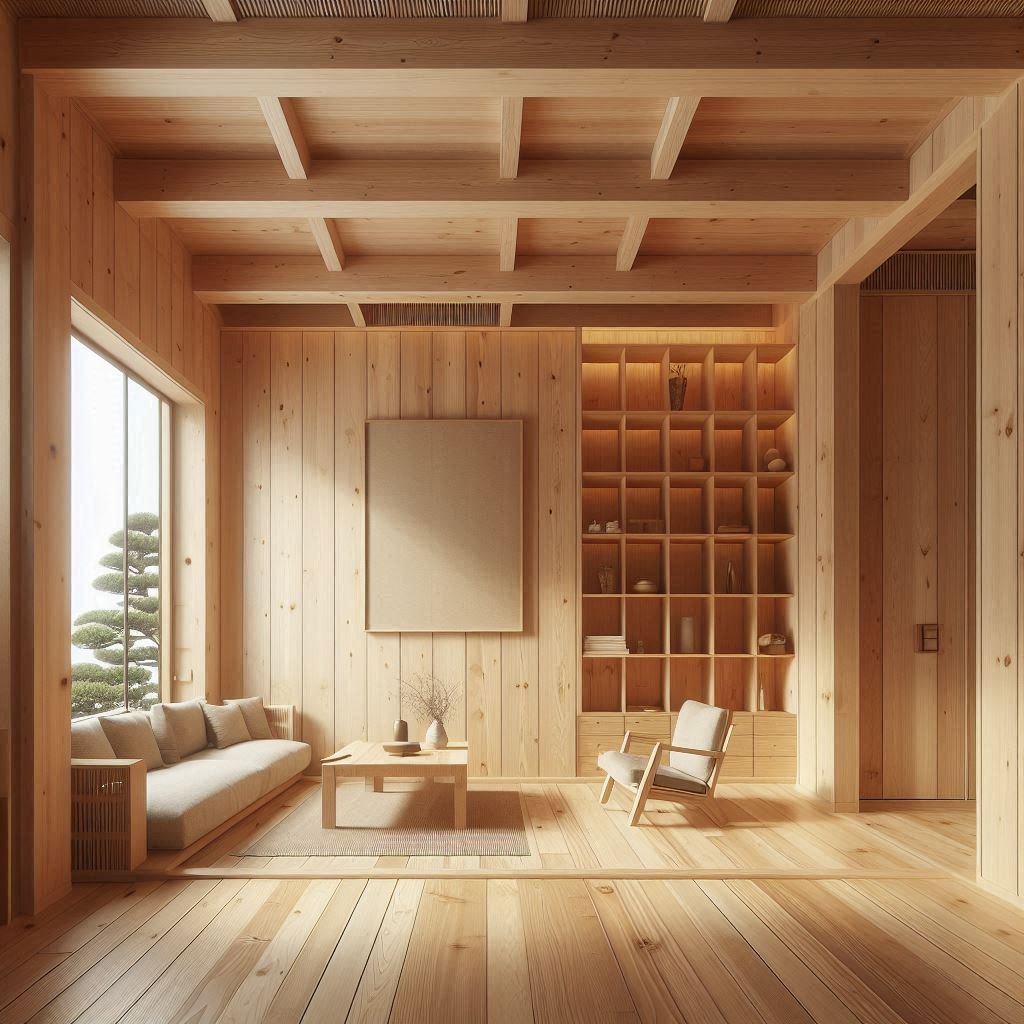
Use light-toned natural wood like cedar, pine, or bamboo for ceiling beams, floor panels, or built-in shelves. Wood brings warmth and life into the room while staying true to Japanese nature-centric design.
13. Decluttered, Peaceful Space
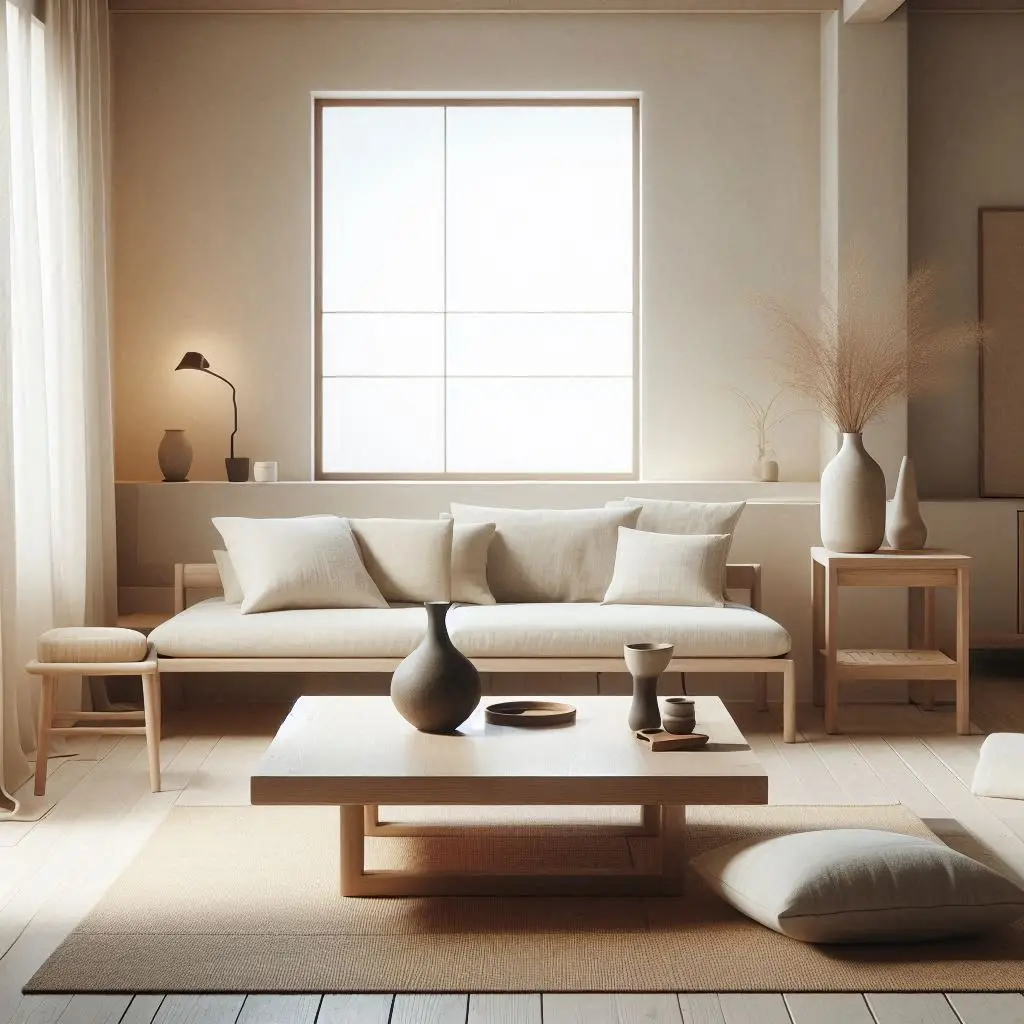
Japanese design champions “less is more.” Keep surfaces clean and remove all non-essential items. Every object in the room should have a purpose, either functional or aesthetic. This minimalism promotes focus and calm.
14. Futon Sofa or Seating
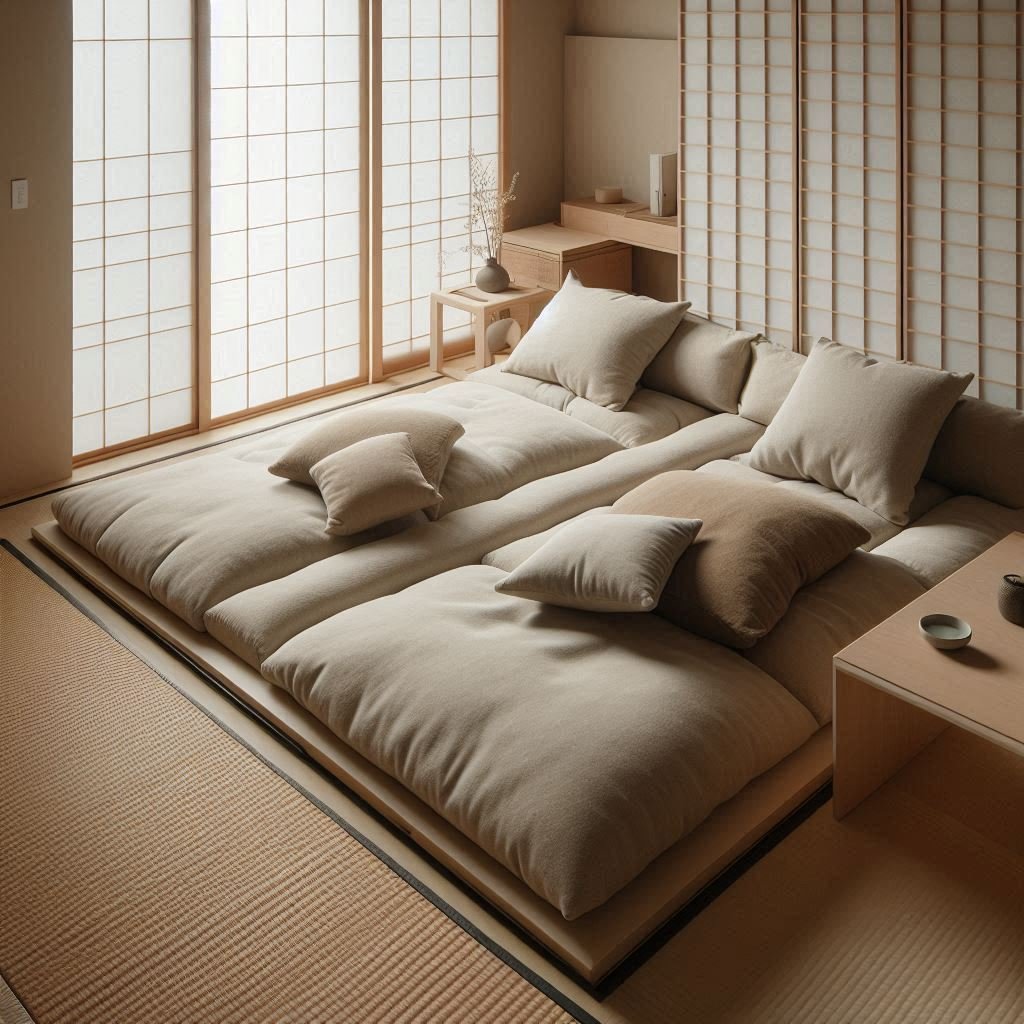
Instead of a standard couch, use a low futon-style mattress or padded bench that doubles as seating and a nap area. It reflects the multi-functional, compact style of Japanese homes while keeping things cozy.
15. Sliding Fusuma Doors
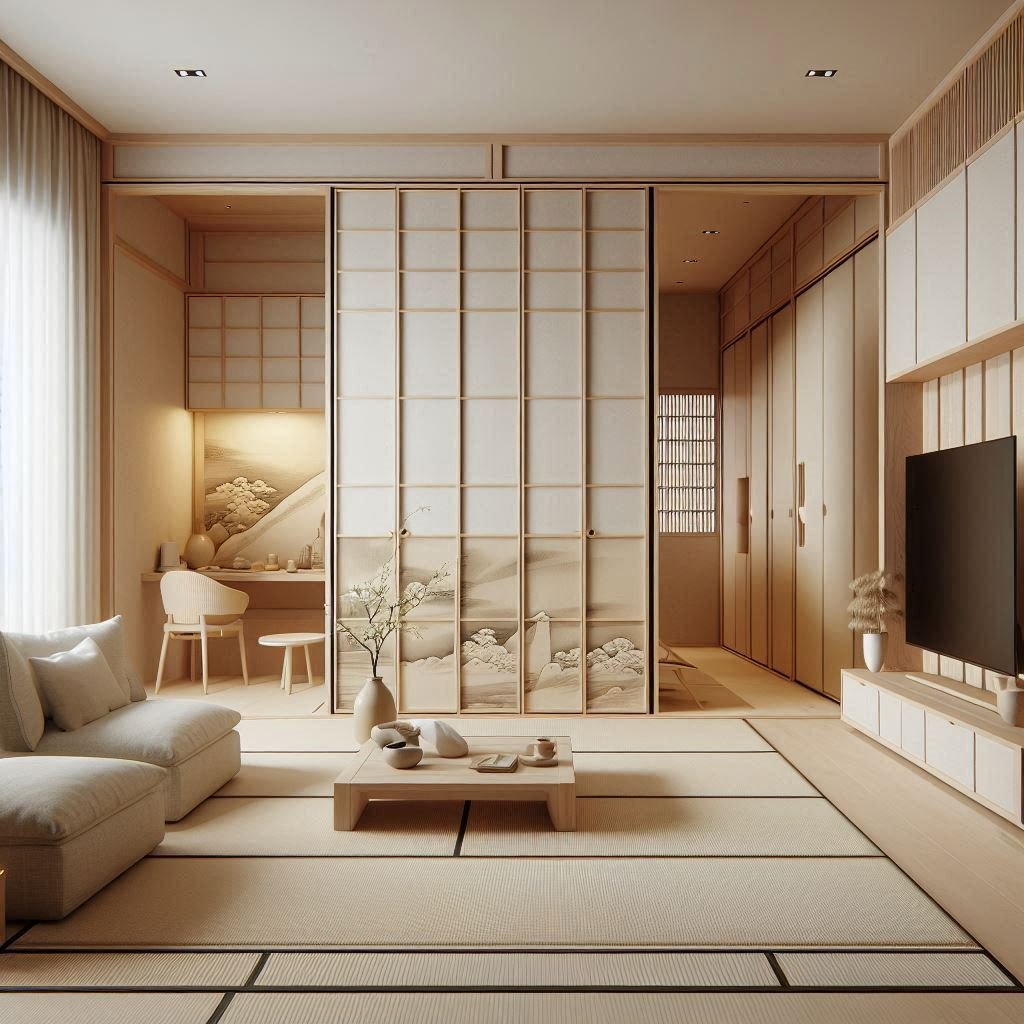

Fusuma are sliding opaque doors often used in traditional homes. They offer privacy without creating permanent walls. In modern homes, you can recreate this effect using sliding wood or panel doors for wardrobes or media cabinets.
16. Layered Natural Textures
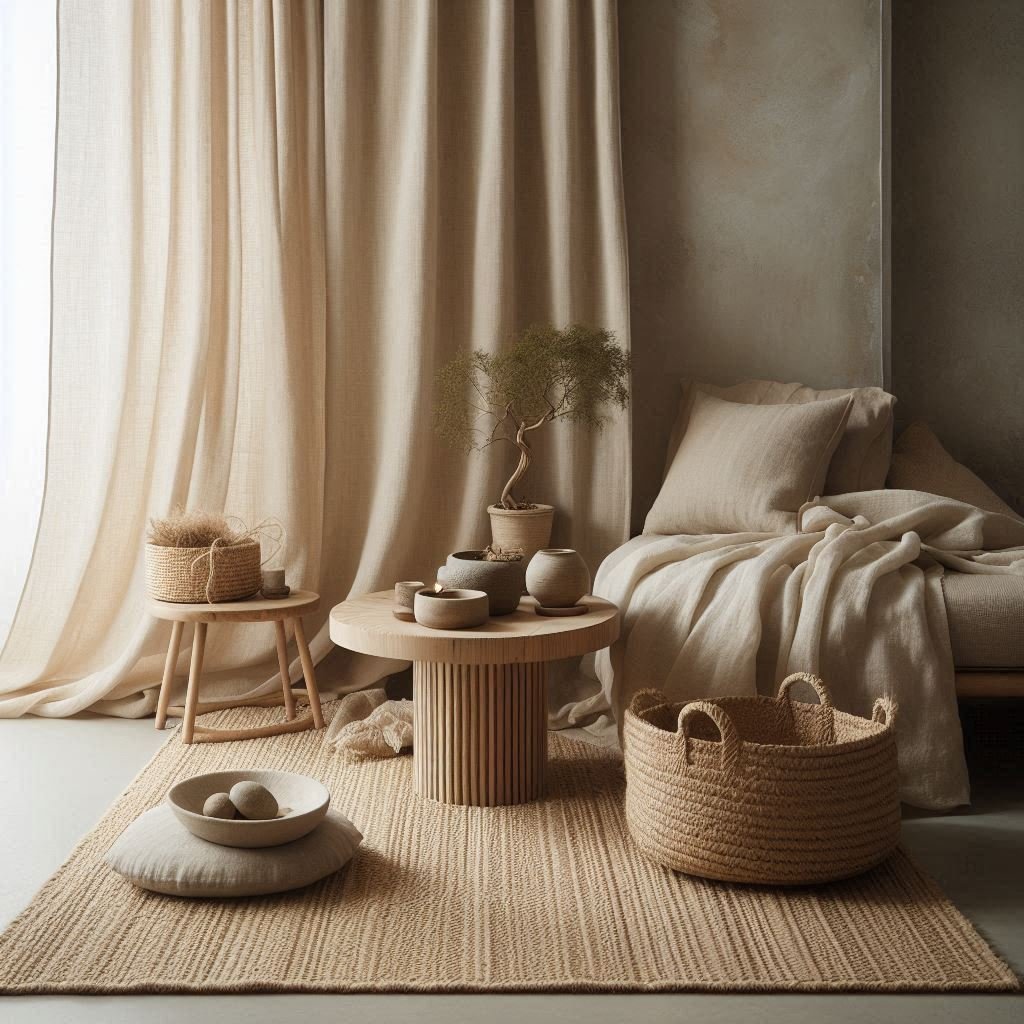
Add depth by mixing linen curtains, jute rugs, woven baskets, and stone trays. These tactile layers offer visual interest while staying grounded in Japanese simplicity and natural elements.
17. Soft Lantern Lighting
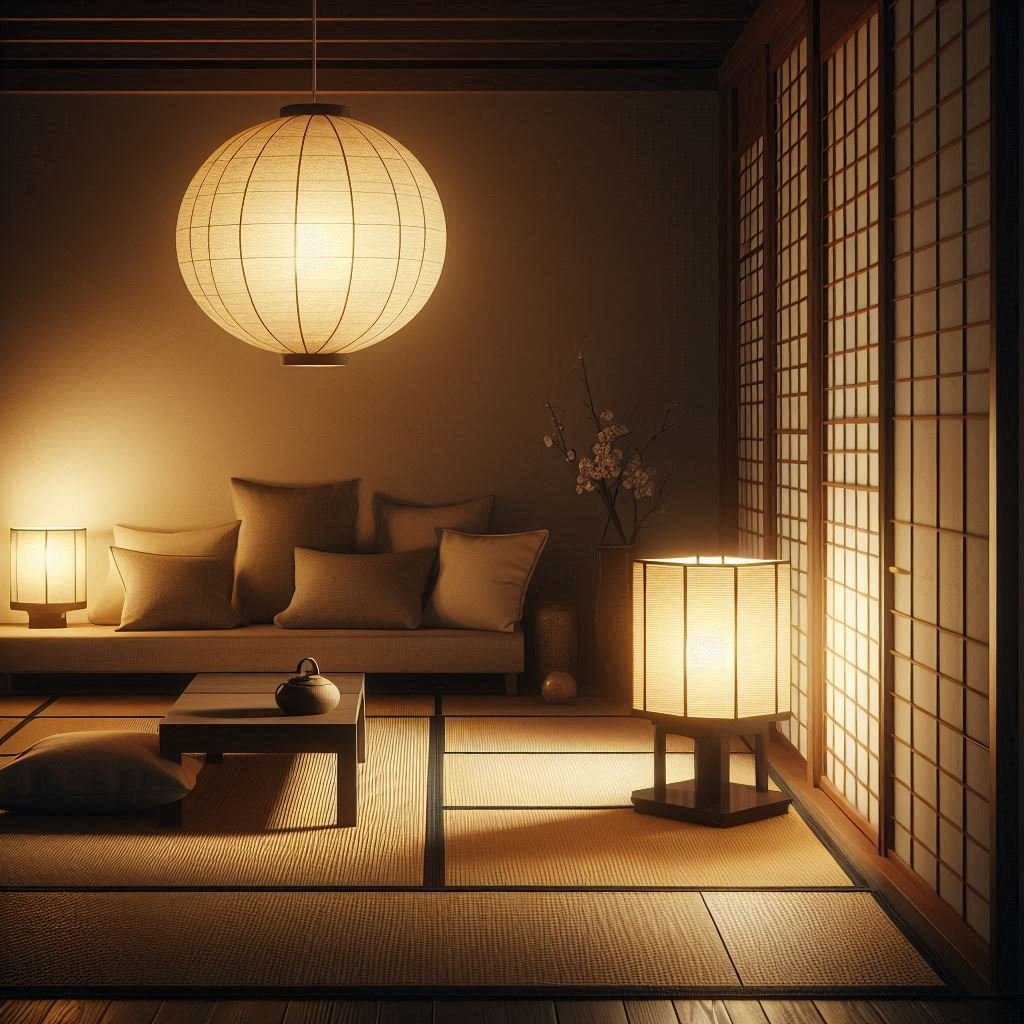
Replace harsh overhead lights with paper lanterns or wooden floor lamps that emit a soft glow. Lighting in Japanese design is always ambient, never aggressive — it sets the tone for calm evenings.
18. Japanese Calligraphy Scrolls
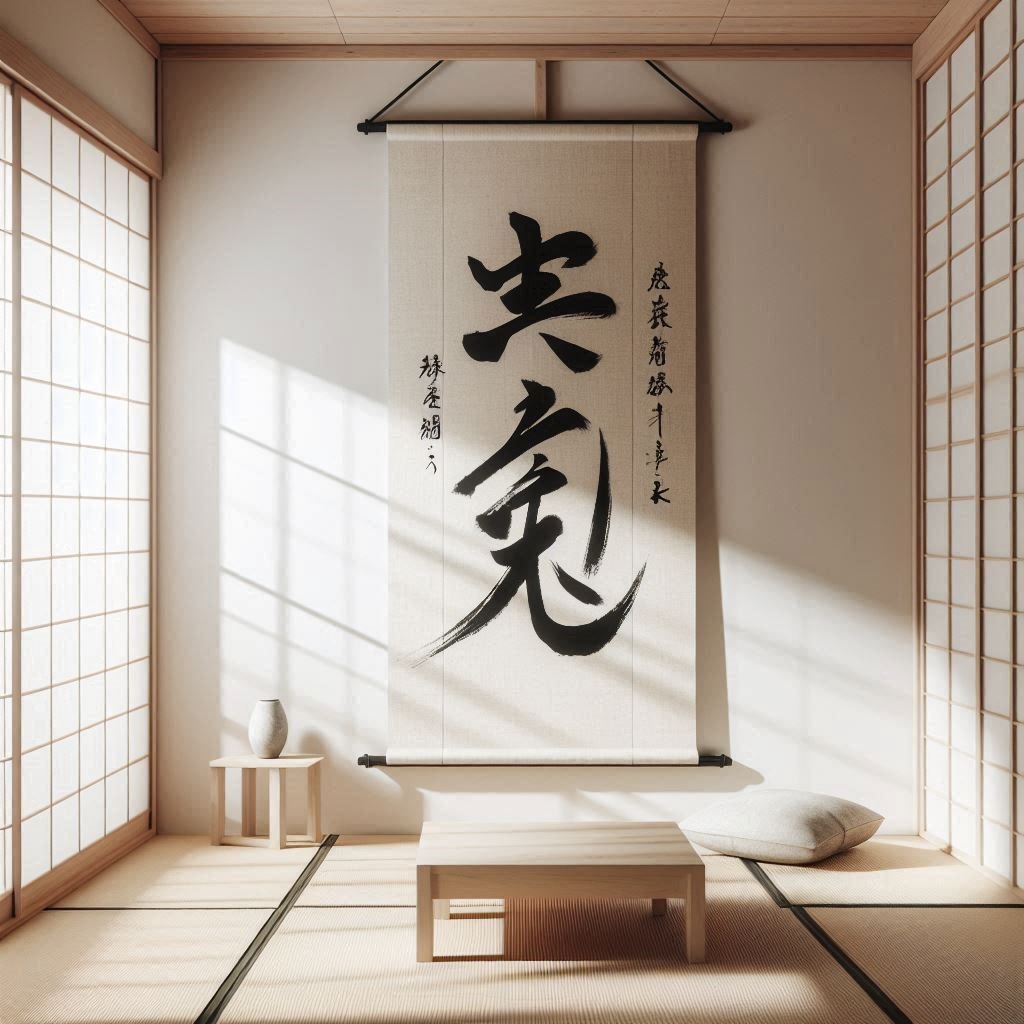
Hang calligraphy featuring motivational kanji characters like “Peace”, “Harmony”, or “Balance.” These scrolls add artistic and spiritual meaning to your space.
19. Functional Furniture Layout

Japanese interiors avoid clutter and promote ease of movement. Place furniture against the walls or in open layouts to allow for flow, space, and multi-use areas.
20. Large Glass Doors to Nature
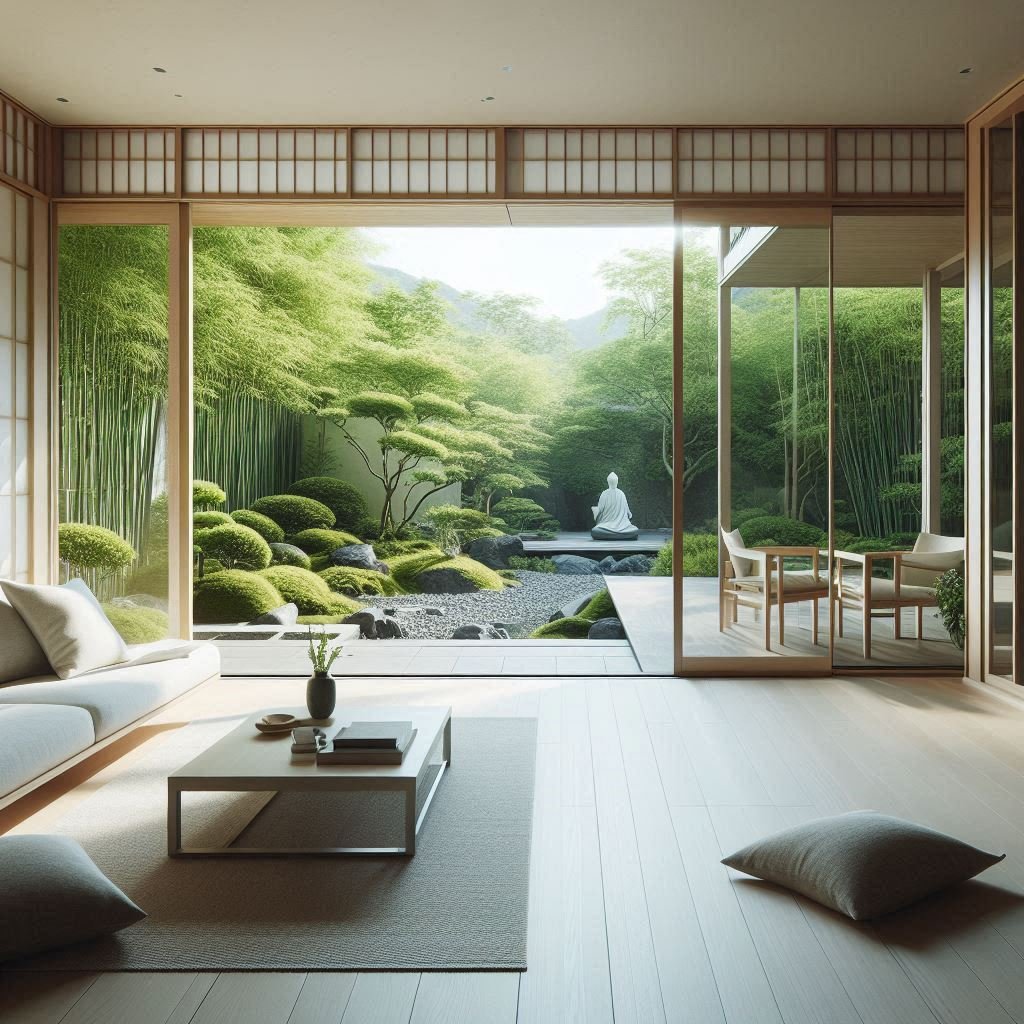
If possible, install large sliding glass doors to connect your living room with an outdoor space — a patio, garden, or balcony. Nature is not just decoration in Japanese design — it’s an extension of the interior.
21. Bamboo or Reed Blinds
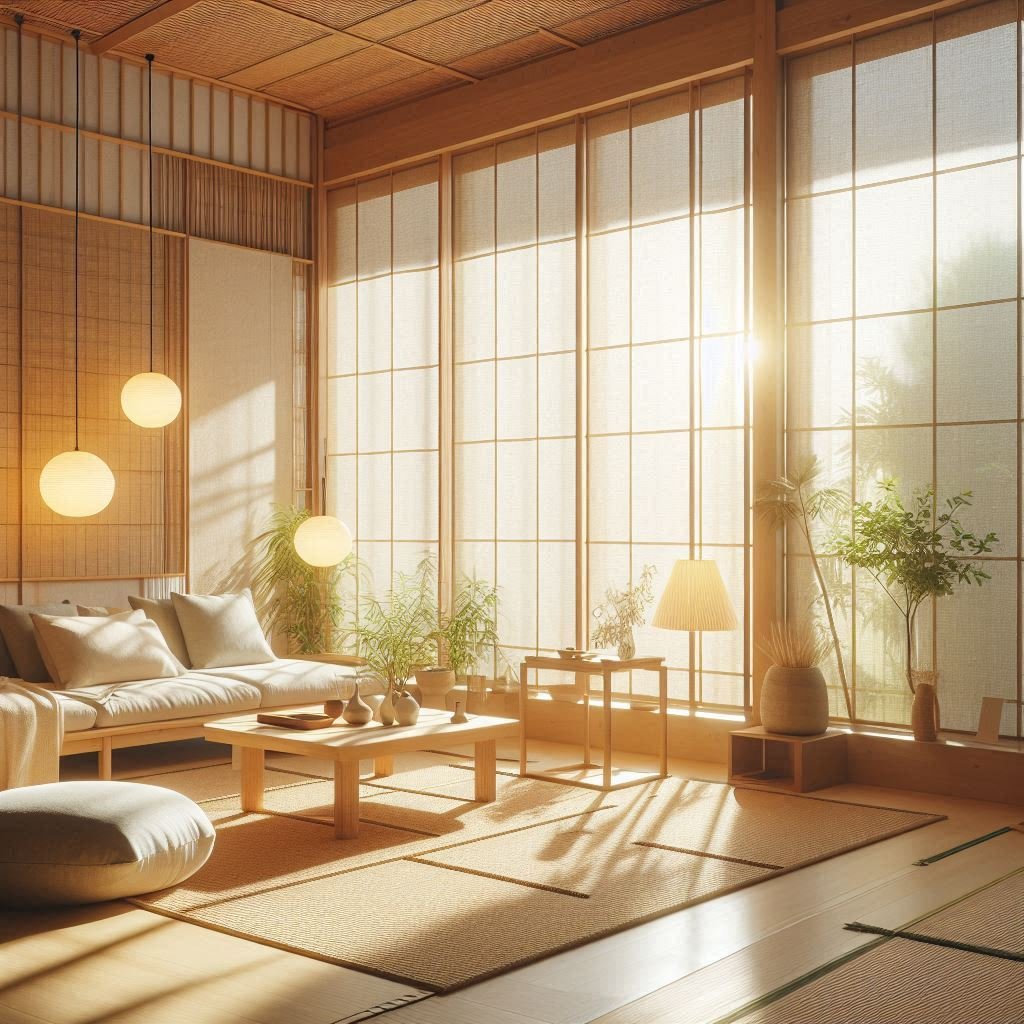
Swap out heavy curtains for lightweight bamboo blinds or reed shades. They control light, provide privacy, and look effortlessly organic and stylish.
22. Traditional Tea Table Setting
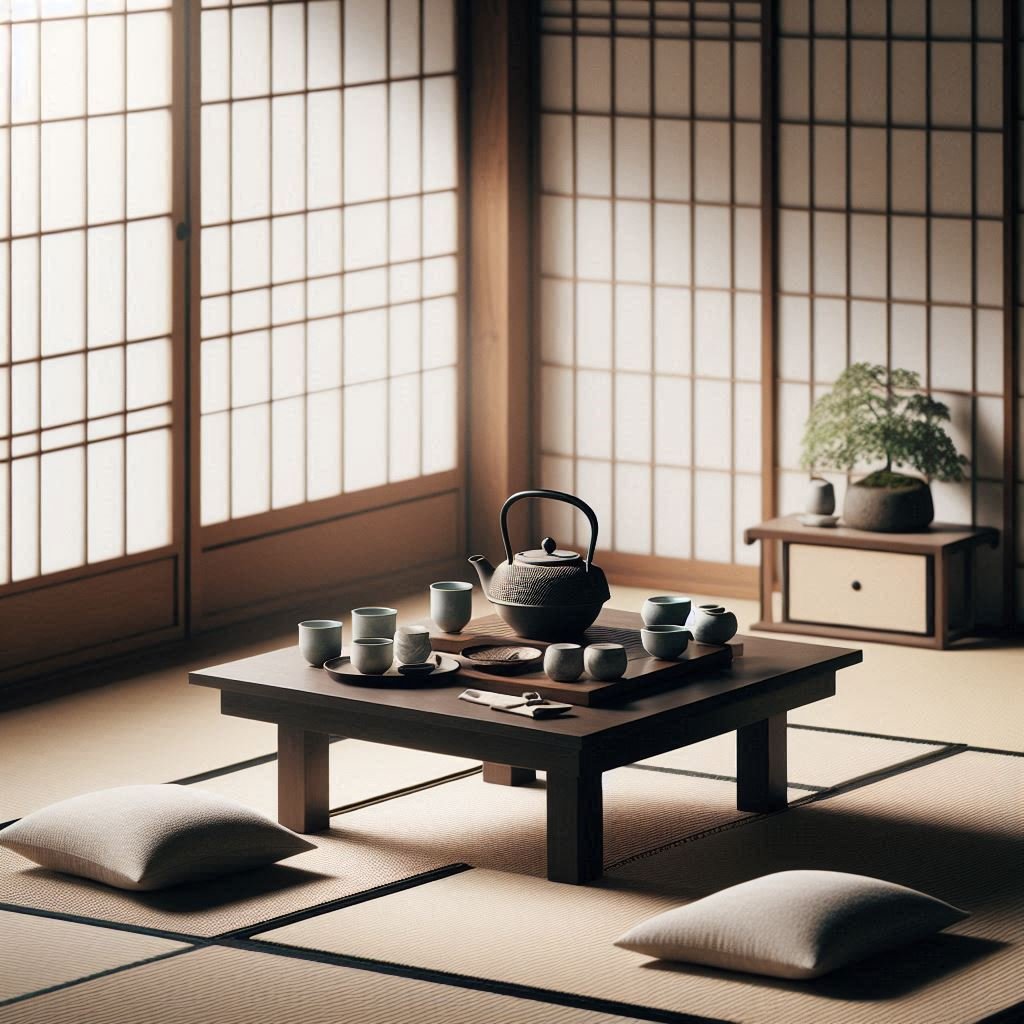
A dedicated tea area with a low table, tatami mat, and tea set adds authentic charm. Use this space for mindful tea rituals or quiet reading.
23. Floating Wall Shelves

Wall-mounted shelves in natural wood create visual lightness and offer clean display areas for ceramics, books, or minimalist decor without taking up floor space.
24. Open Layout with Clean Lines
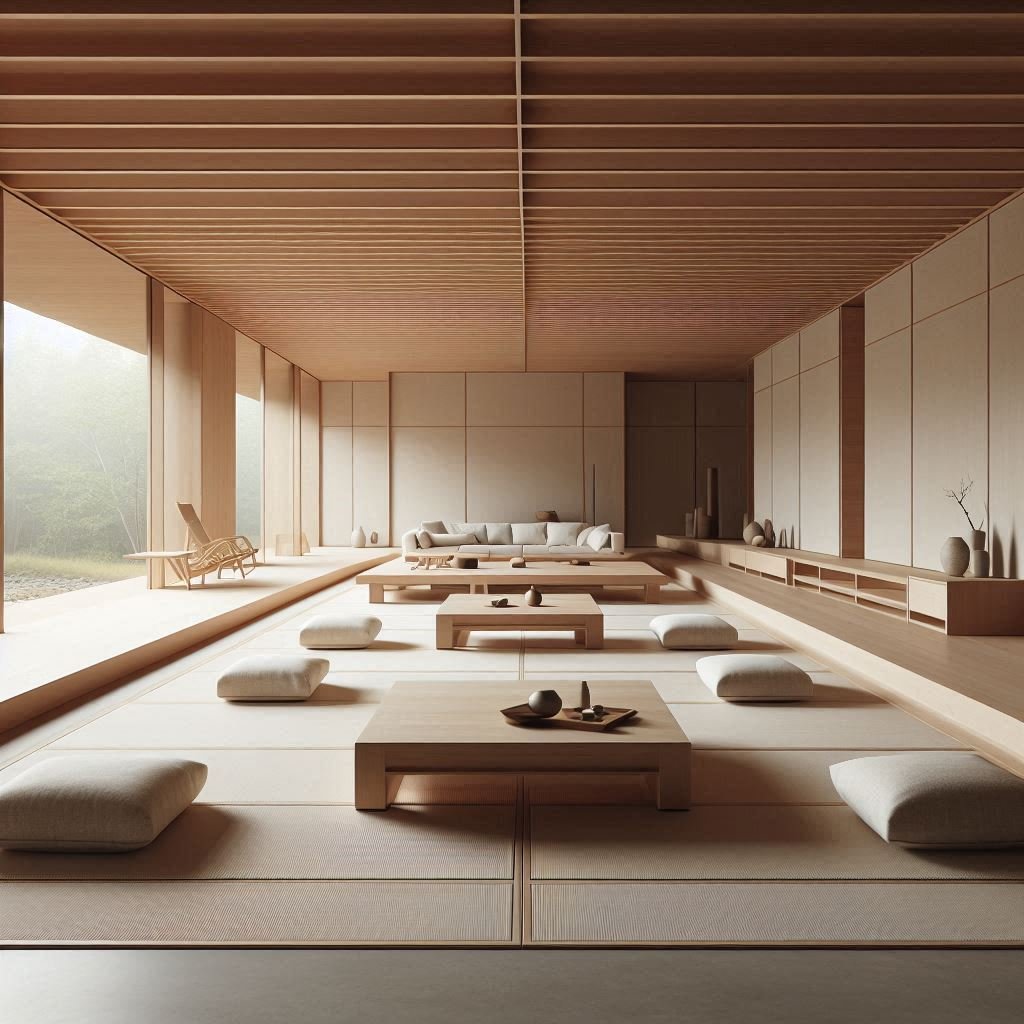
Japanese rooms often avoid unnecessary divisions. Use open-plan layouts and choose furniture with simple lines and no excess curves or carvings to keep everything balanced and breathable.
25. Zen-Inspired Accent Colors
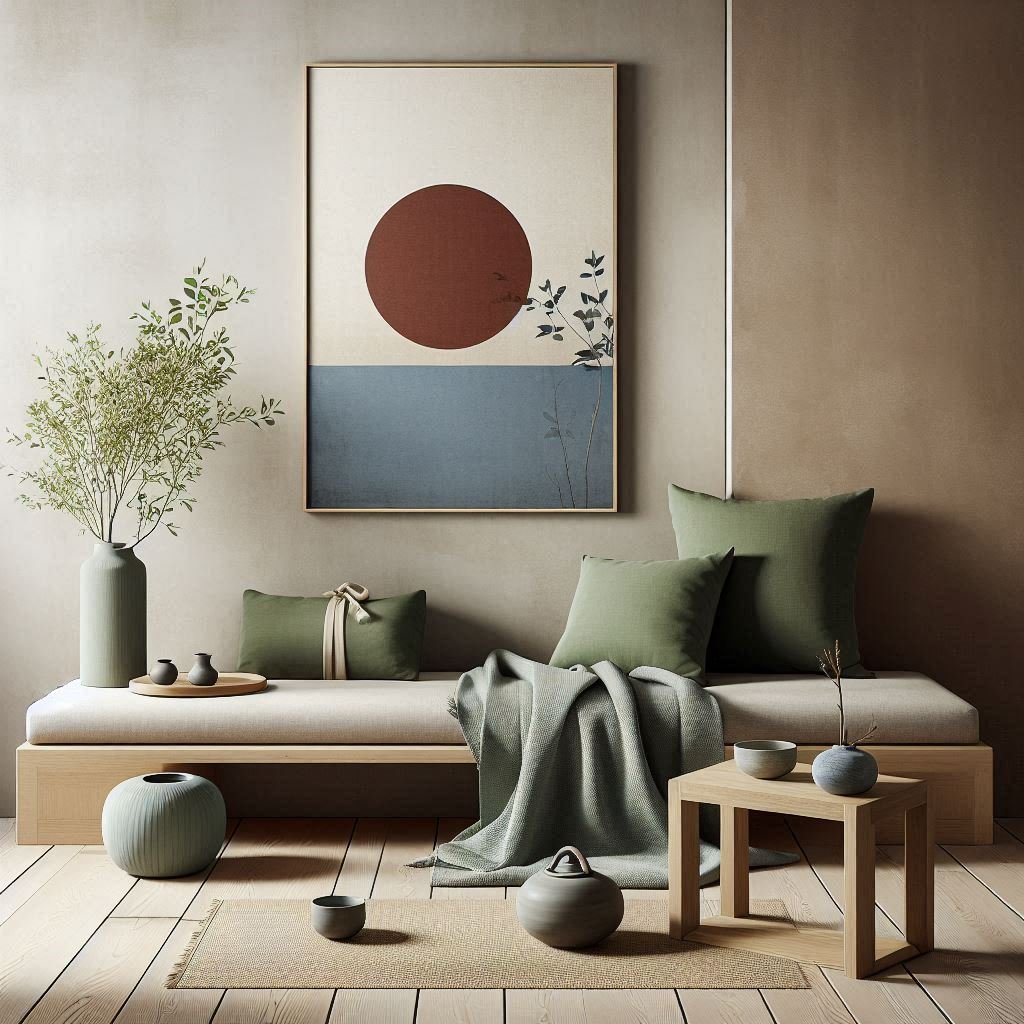
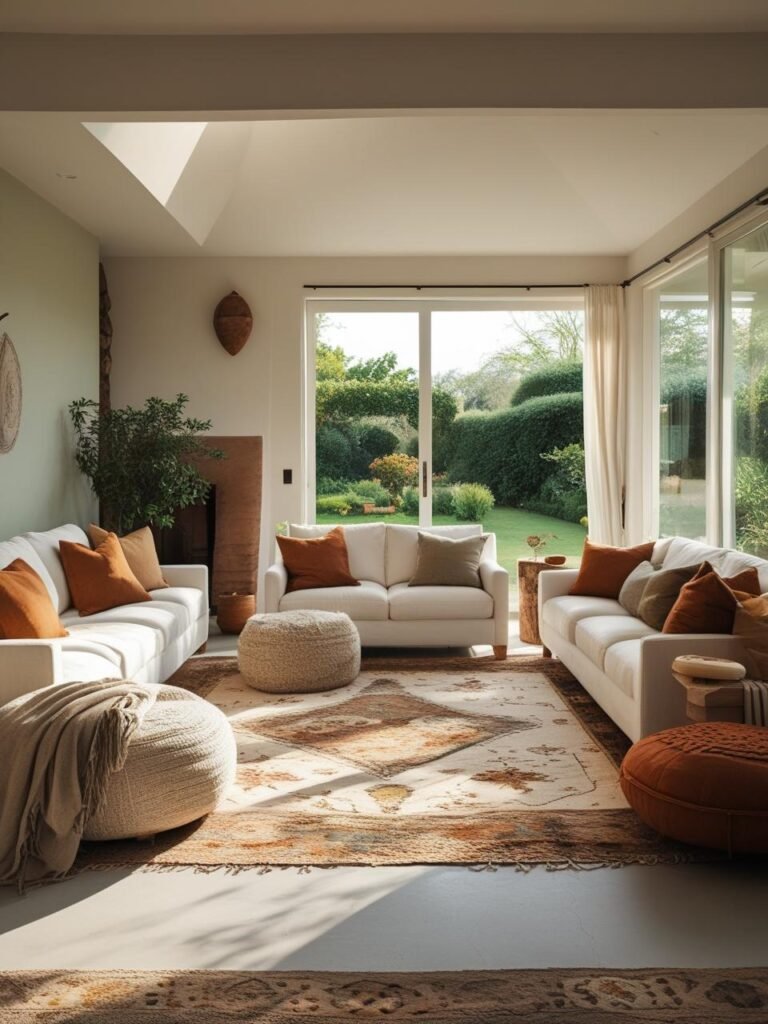
While neutral tones dominate, add subtle touches of sage green, indigo blue, or deep rust red through cushions, throws, or artwork. These colors echo nature and enrich the visual palette without overwhelming the room.
????♀️ Final Thoughts
A Japanese living room isn’t just about looks — it’s a way of life. It teaches you to live with intention, surround yourself with peace, and connect with nature and simplicity. Whether you embrace every element or just a few, incorporating Japanese design into your home can transform your daily environment into a place of harmony, comfort, and elegant calm.