
What Are the Best Color Options for a Bedroom According to Science and Experts?
Your bedroom color does more than set the mood—it directly affects how relaxed you feel, how quickly you fall asleep, and even the quality of your rest. Interior designers and sleep experts agree: the right color palette can turn an ordinary bedroom into a calm, restorative retreat. Let’s break down the best bedroom colors backed by science—and which ones to avoid.
Blue and Green: The Science-Backed Sleep Boosters
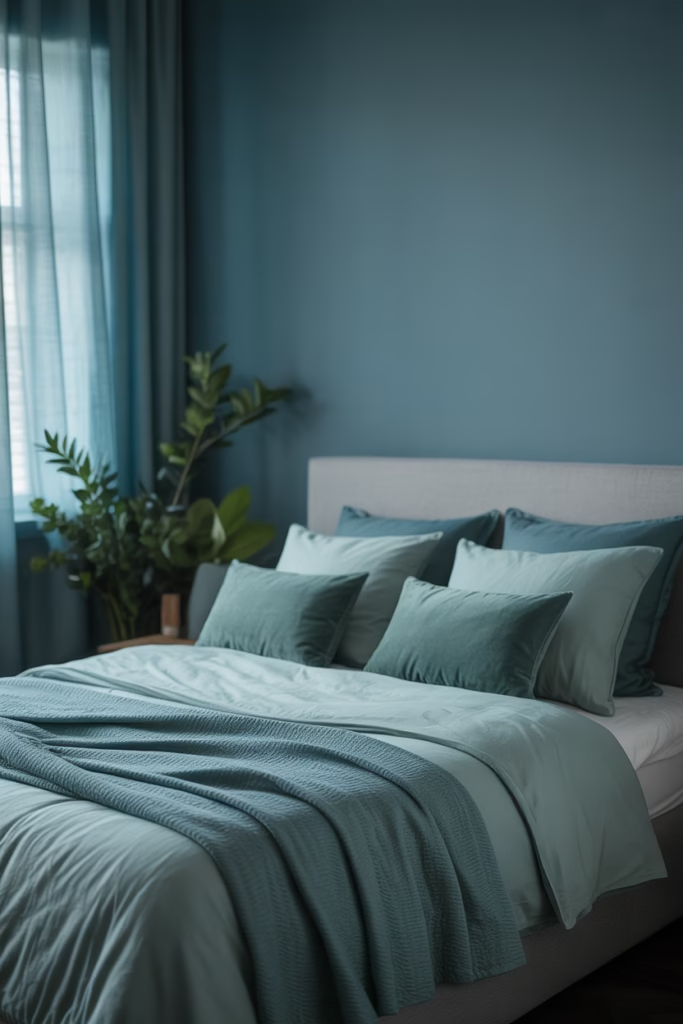
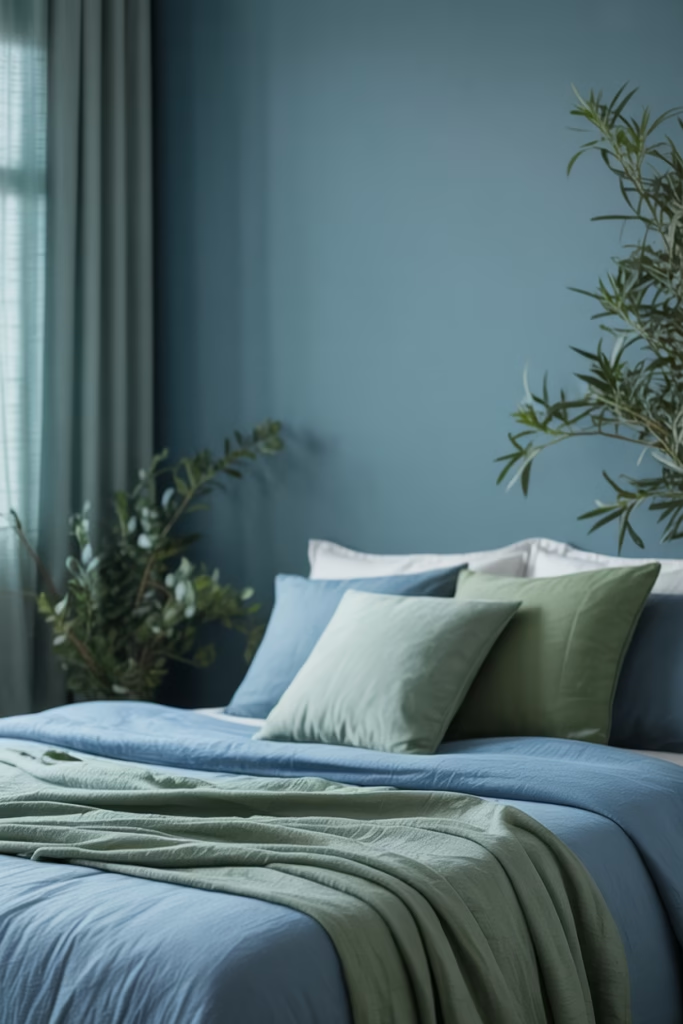
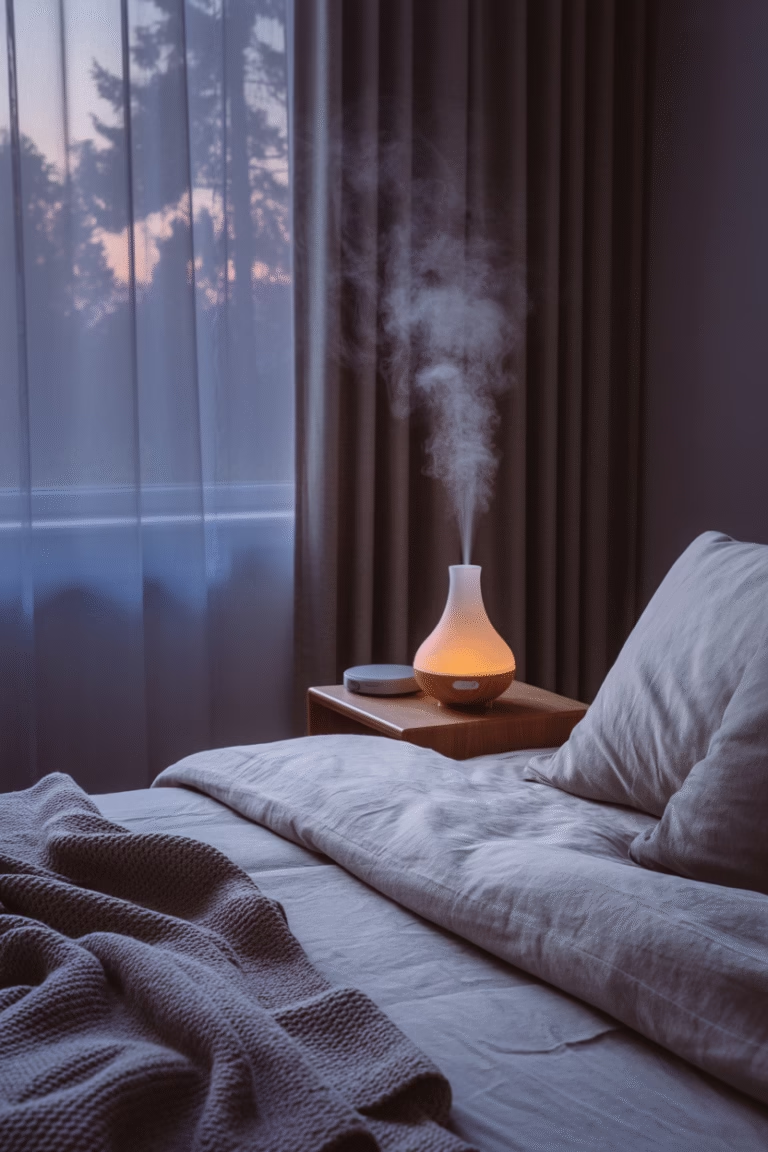
Blue consistently ranks as the best bedroom color for sleep. Studies show that blue tones lower heart rate and blood pressure, signaling the brain that it’s time to rest. Soft blues, dusty navy, and muted teal shades work especially well in bedrooms.
Green offers similar benefits. Inspired by nature, green creates a sense of balance and calm. Sage, olive, and eucalyptus tones help reduce stress and promote mental relaxation—perfect for winding down at night.
Expert tip: Choose muted, gray-based blues or greens instead of bright versions to avoid overstimulation.
Lavender and Soft Purple: Gentle Relaxation With a Twist
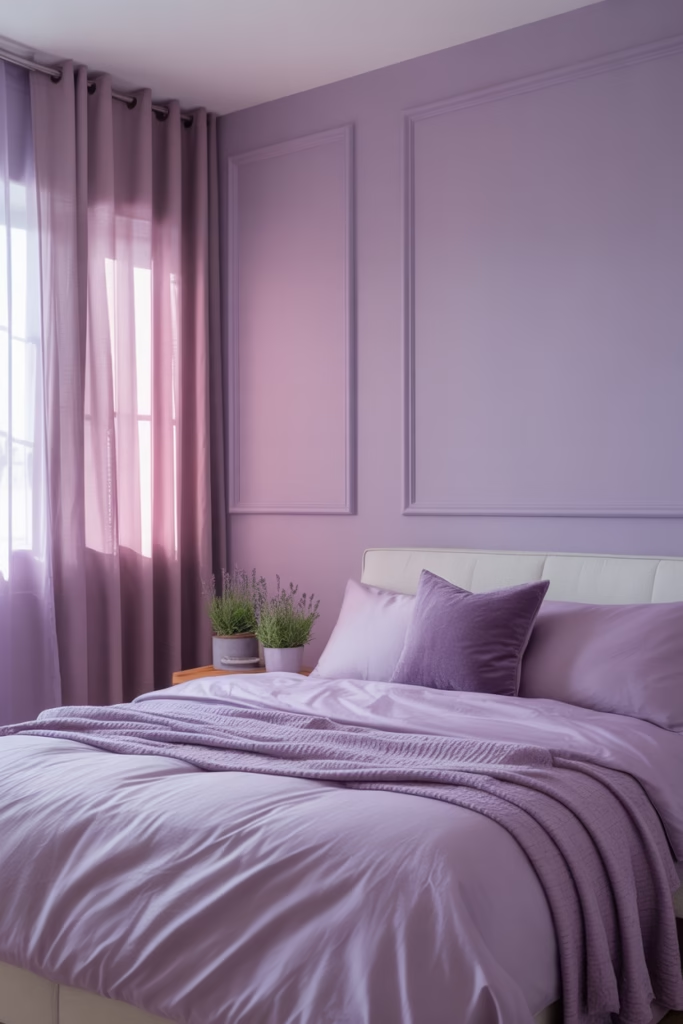
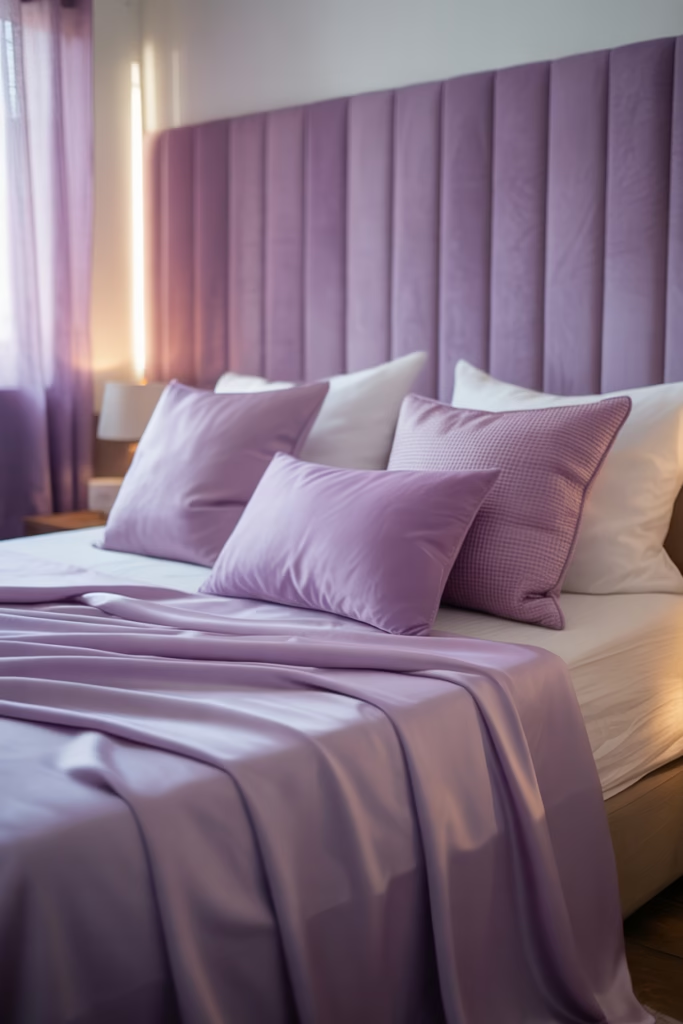
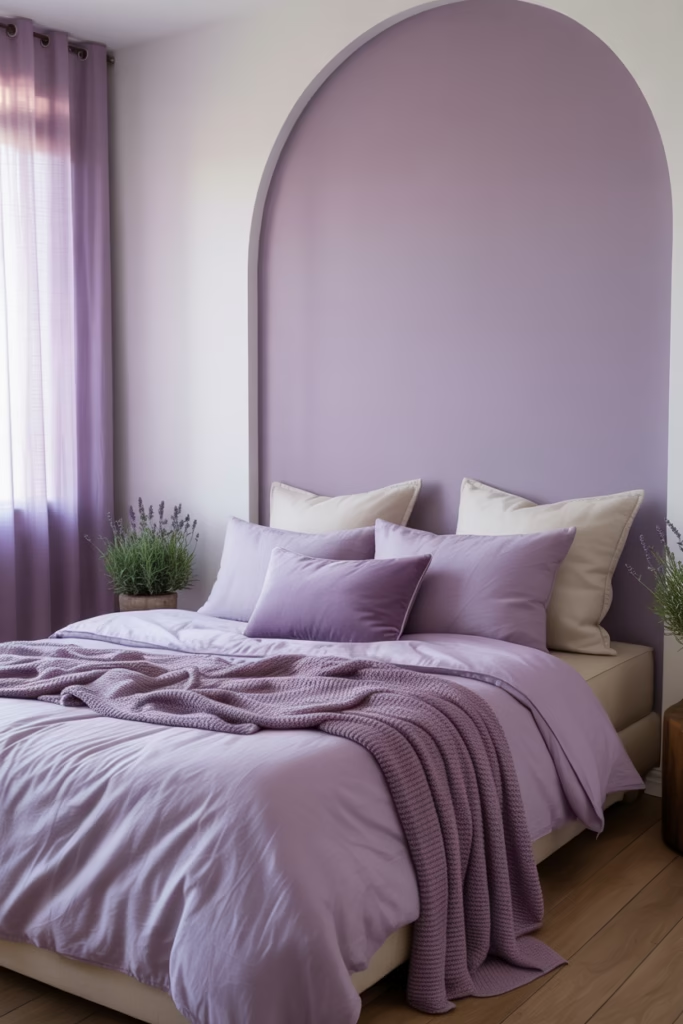
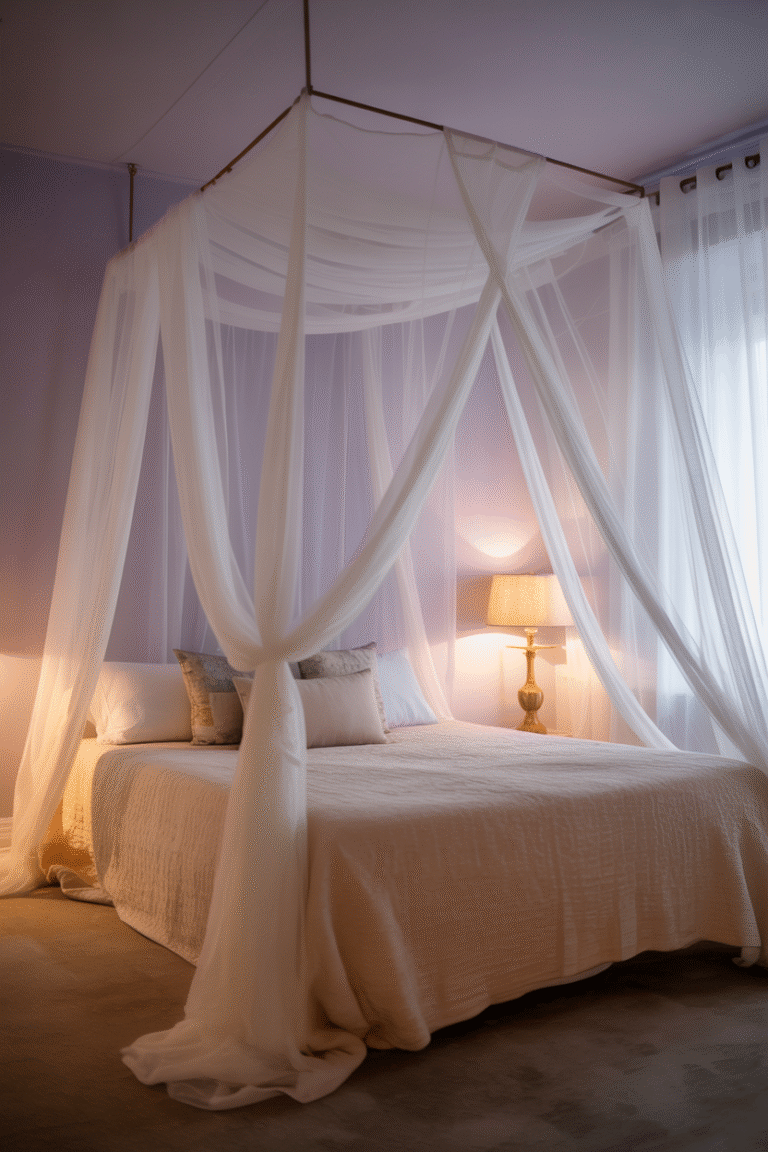
Lavender combines the calm of blue with the warmth of red, making it a unique yet soothing choice. Soft lavender, lilac, and muted purple tones promote relaxation without feeling cold or dull.
These shades are especially loved by designers because they add personality while still supporting rest. However, darker purples can feel heavy, so lighter variations are best for bedrooms.
Best use: Accent walls, bedding, or soft textiles rather than full-room saturation.
Soft Neutrals and Blush Tones: Comfort You Can Feel
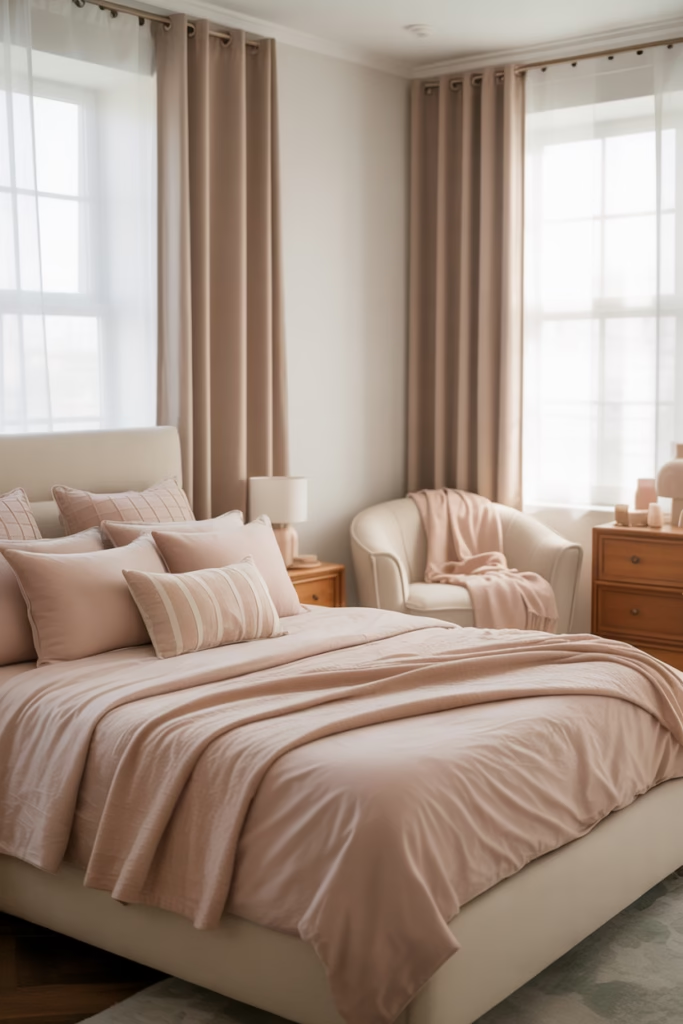
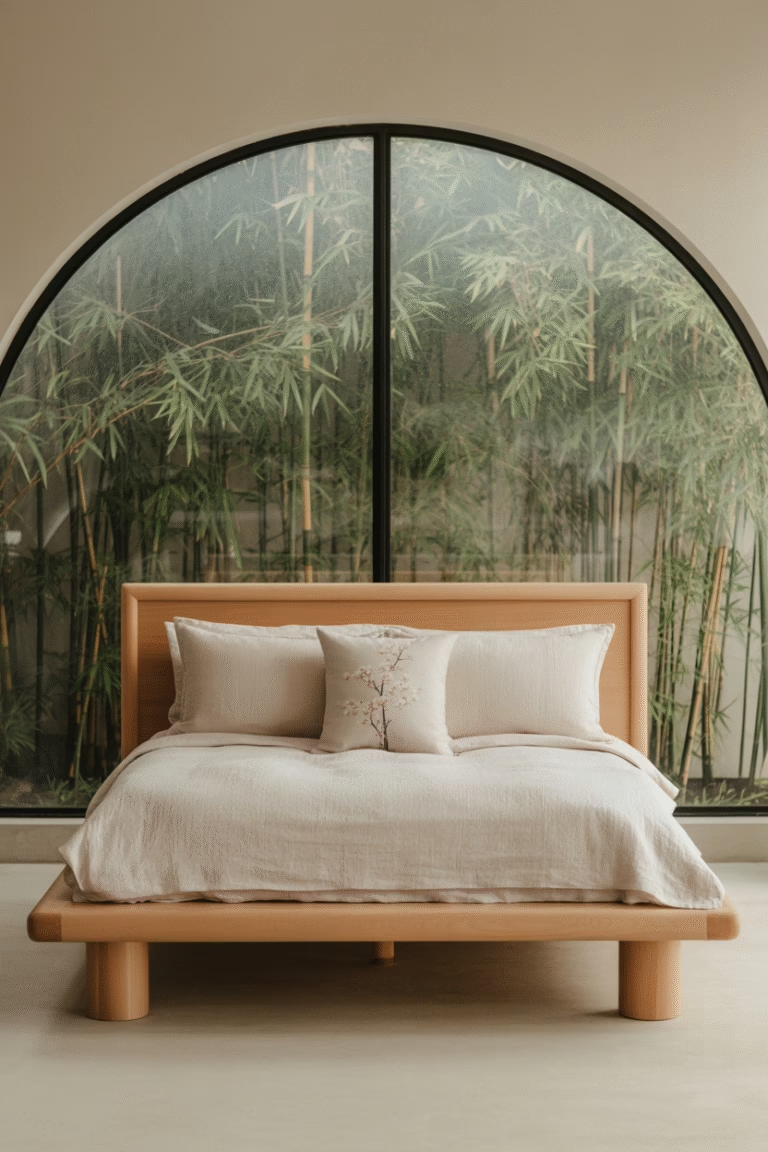
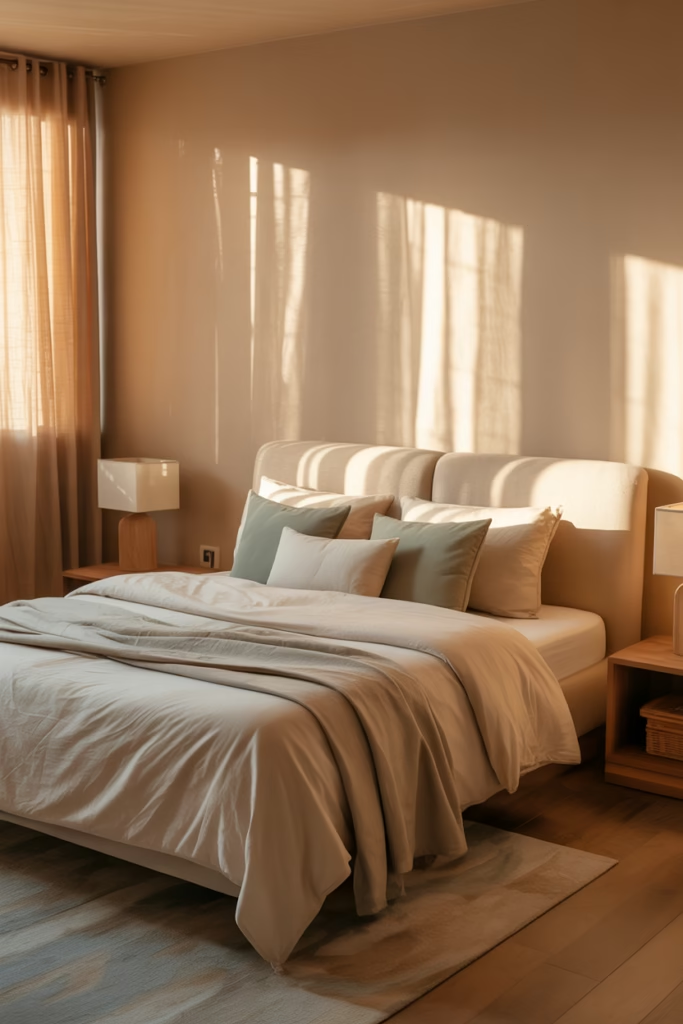
Neutrals are timeless for a reason. Warm whites, cream, beige, and taupe create a peaceful foundation that feels cozy and safe. These shades reflect light gently and reduce visual noise, helping the brain relax.
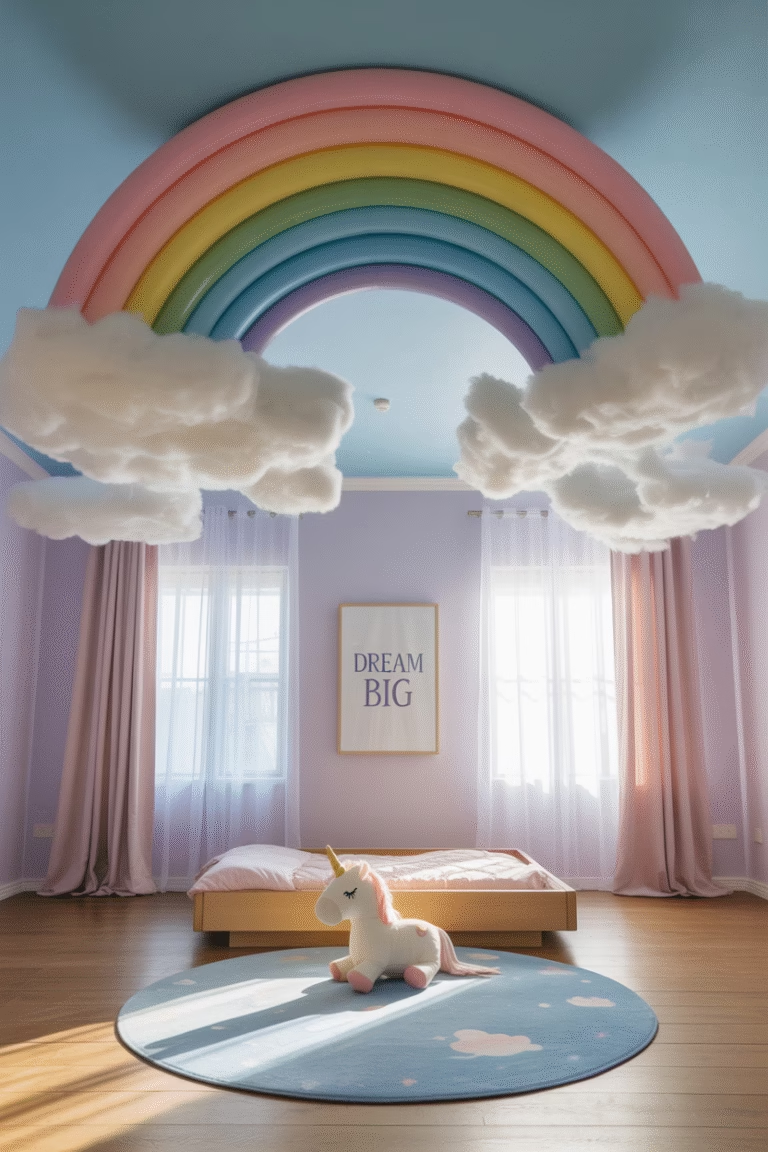
Blush and dusty pink tones add warmth without overstimulation. According to color psychology, soft pinks evoke feelings of comfort and emotional security—ideal for a restful bedroom environment.
Designer favorite: Neutral walls paired with blush or warm-toned bedding for depth and softness.
Earth Tones: Cozy and Grounding
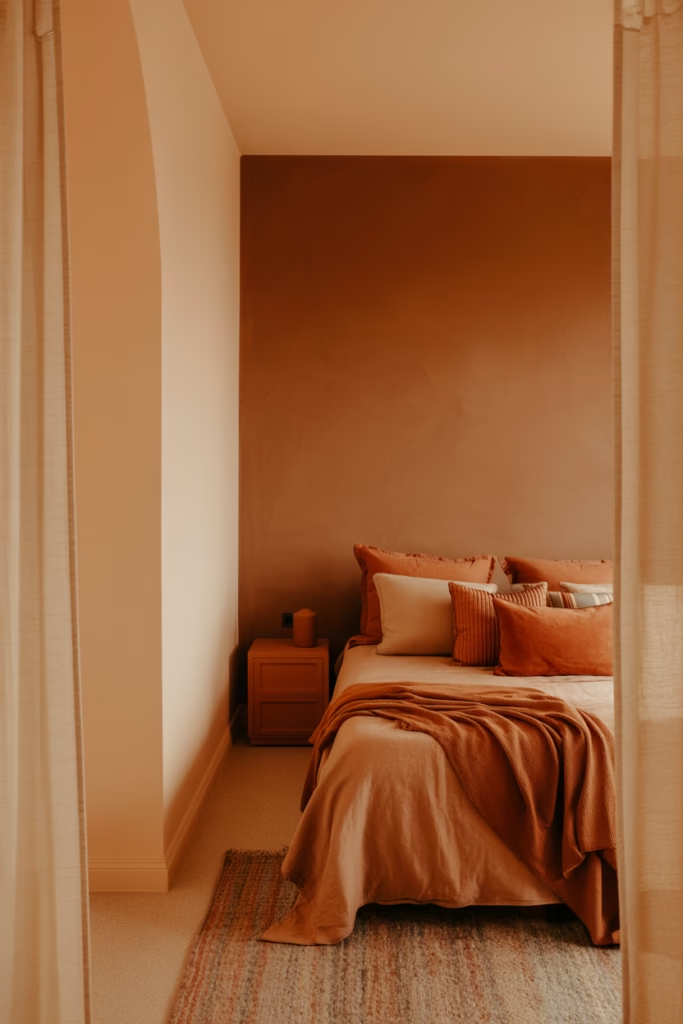
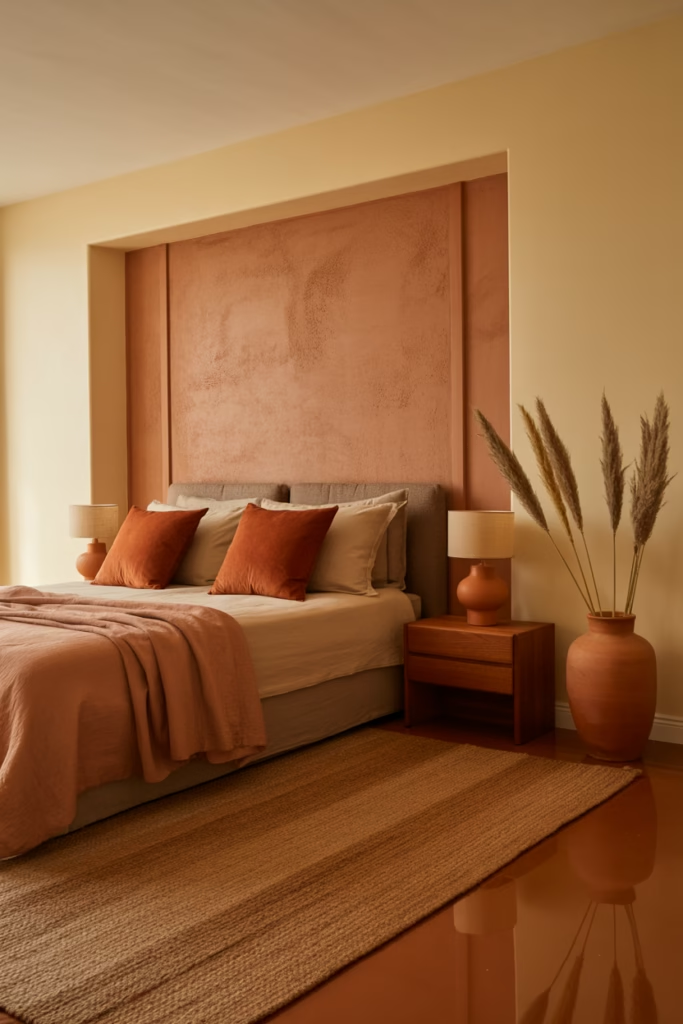
Earth-inspired colors like warm browns, clay, terracotta, and muted rust tones create a grounded, cocoon-like feel. These shades help you feel safe and settled, which is essential for quality sleep.
When used correctly, earth tones add warmth without heaviness. The key is balance—pair deeper hues with lighter neutrals to keep the space from feeling dark.
Pro styling tip: Use earth tones in textiles, rugs, or accent walls rather than on all four walls.
Colors to Avoid: Bright and Bold Shades
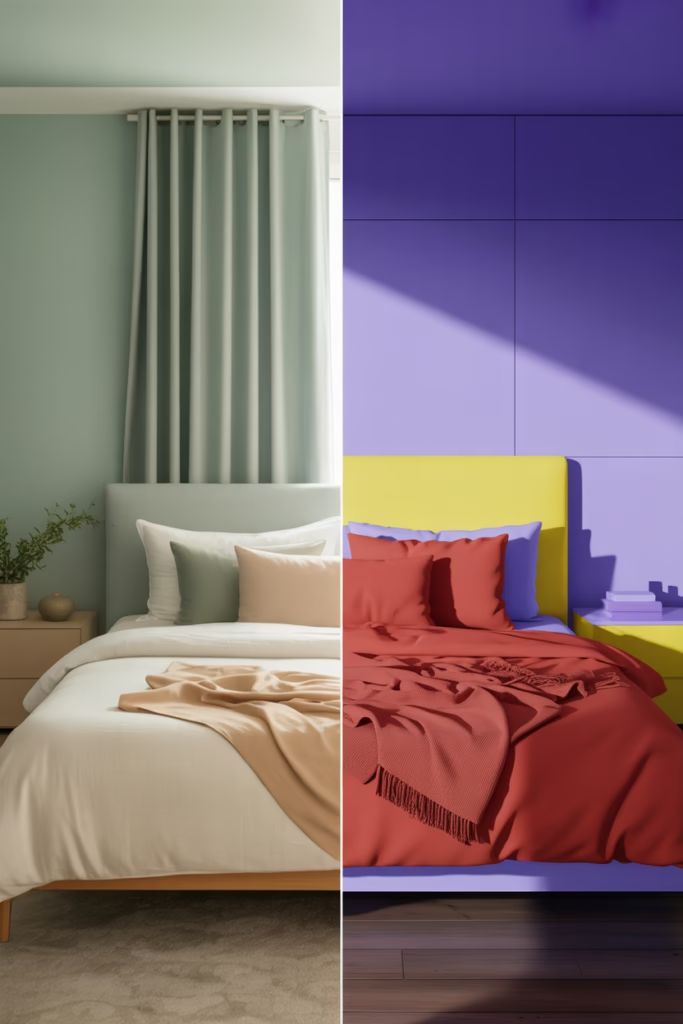
While vibrant colors look great in other parts of the home, they can disrupt sleep in the bedroom.
- Bright red increases heart rate and alertness
- Neon yellow or orange stimulates the brain
- High-contrast black and white can feel harsh
- Electric purple or hot pink may cause visual fatigue
These colors trigger energy and excitement—the opposite of what your bedroom needs.
Why It Matters
Sleep experts emphasize that bedroom color impacts circadian rhythm, emotional comfort, and stress levels. A calm color palette helps your nervous system slow down, making it easier to fall asleep and stay asleep.
From a design perspective, soothing colors also make bedrooms feel more spacious, organized, and inviting—improving both mental and physical well-being.
FAQs on Bedroom Color and Sleep
Q: What is the best bedroom color for anxiety?
A: Soft blue, sage green, and warm beige are most recommended for reducing anxiety.
Q: Is white a good bedroom color?
A: Yes—especially warm white or cream. Avoid stark, cool white as it can feel clinical.
Q: Can dark colors work in bedrooms?
A: Yes, if muted and balanced with light elements. Deep navy or charcoal can feel cozy when styled correctly.
Closing Thoughts
The best bedroom colors aren’t just about trends—they’re about how a space makes you feel. Science and design experts agree that calm, muted tones inspired by nature promote better sleep, lower stress, and create a sense of comfort.
Whether you choose soothing blues, soft neutrals, or gentle earth tones, the goal is simple: create a bedroom that helps you truly rest.